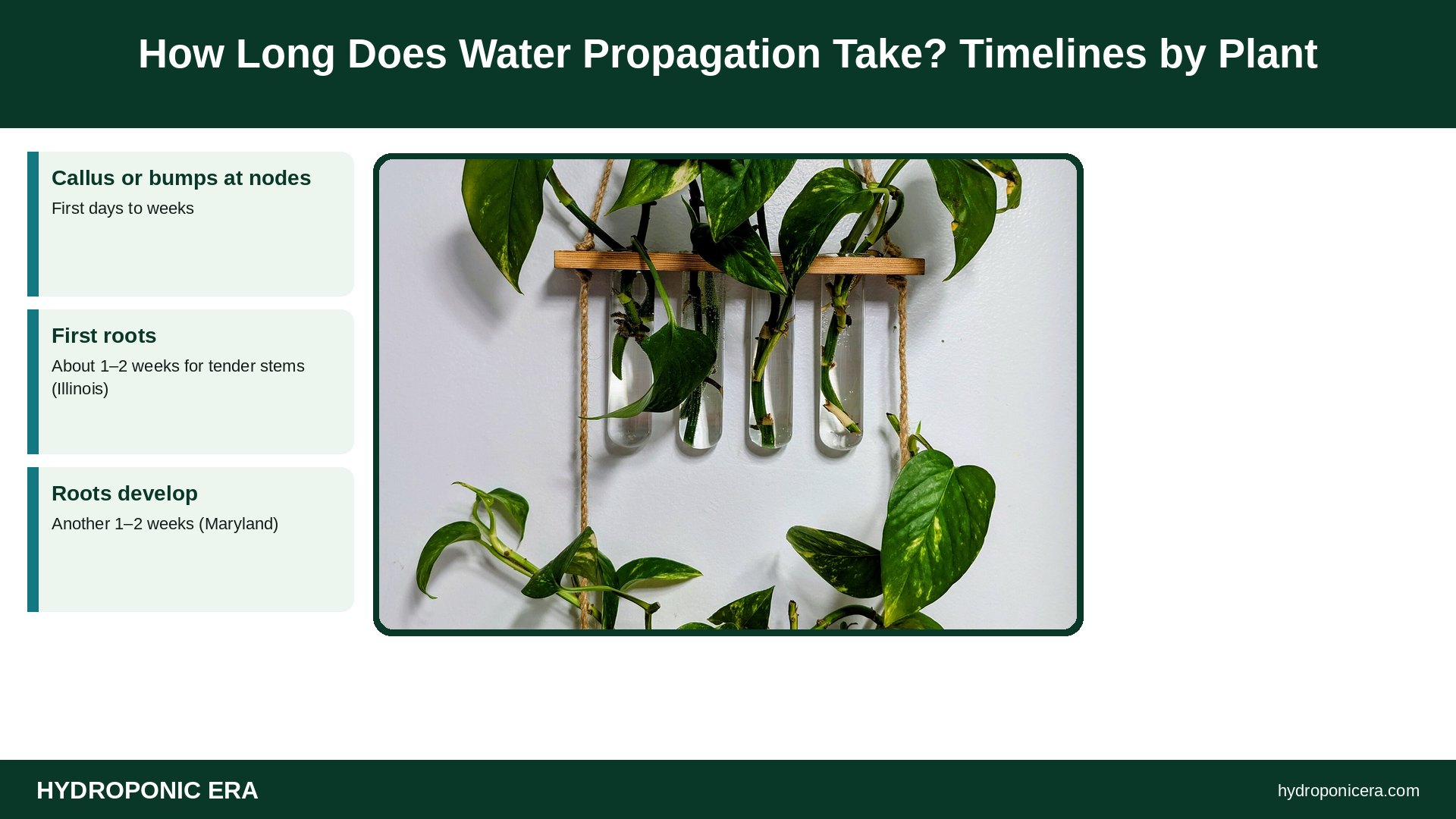
How long does water propagation take? Most houseplant cuttings show roots in 1–4 weeks. Illinois Extension says tender, water-filled stems root within about a week and tougher stems in 10–14 days, while Maryland Extension says the process can take several weeks. Woody or slow species may need months. Warmth around 75–80°F (24–27°C), bright indirect light and clean water speed it up.
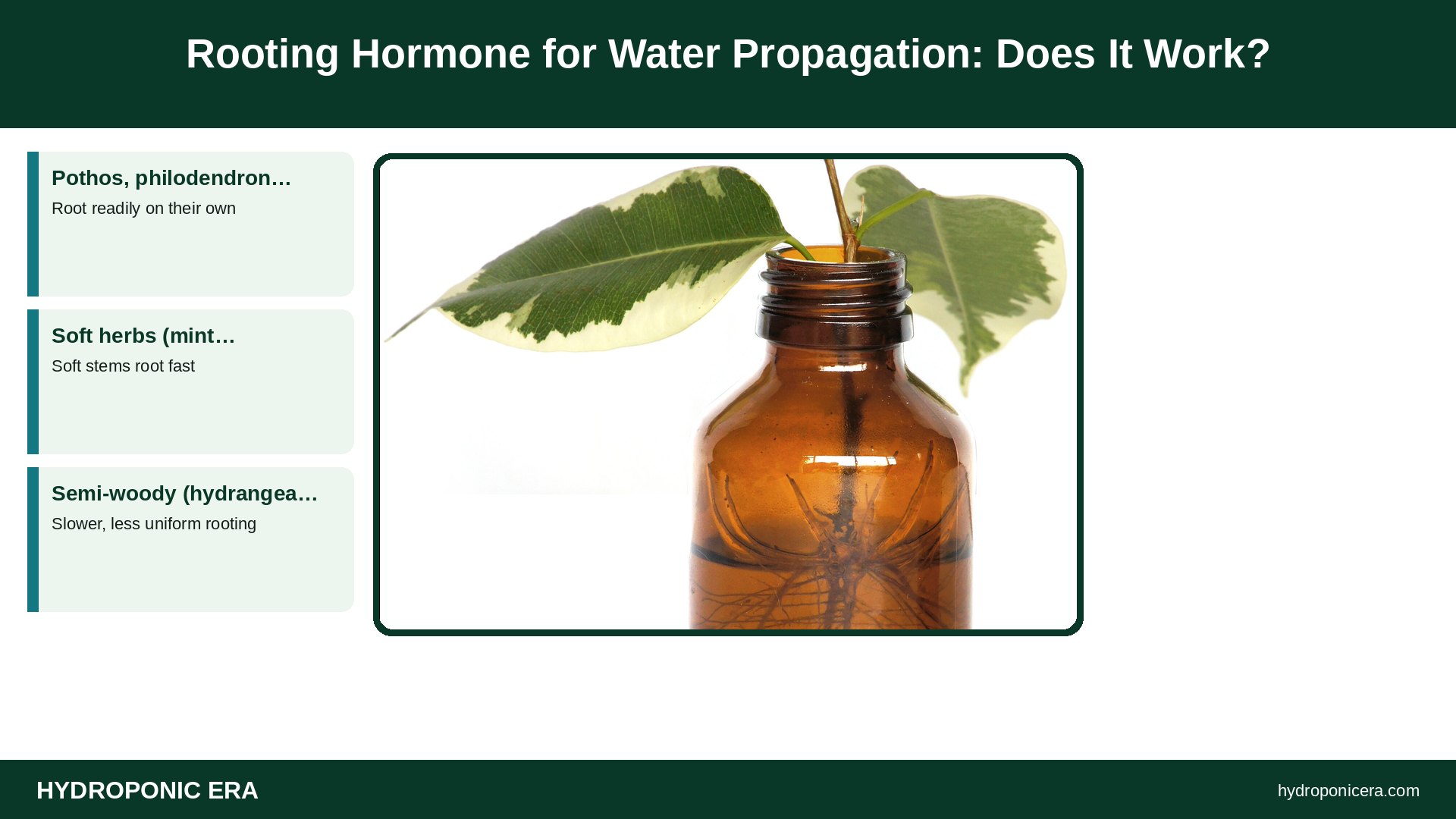
Do you need rooting hormone for water propagation? Usually not. Illinois Extension says many houseplants root so easily that rooting hormone isn’t important, though it helps difficult species. Penn State says dipping a cutting in hormone before placing it in water or media speeds root development, but too much slows it. For pothos, mint or coleus, skip it; for slow, woody cuttings, a light dip helps.
Is red or blue light better for plants? In the red vs blue light debate, plants grow best with both. Red light drives photosynthesis efficiently and red LEDs deliver more photons per watt. Blue light keeps plants compact and leaves photosynthetically normal: a Wageningen study found cucumber grown under pure red developed dysfunctional photosynthesis, while just 7% blue prevented it. Most homes should use full-spectrum LEDs.
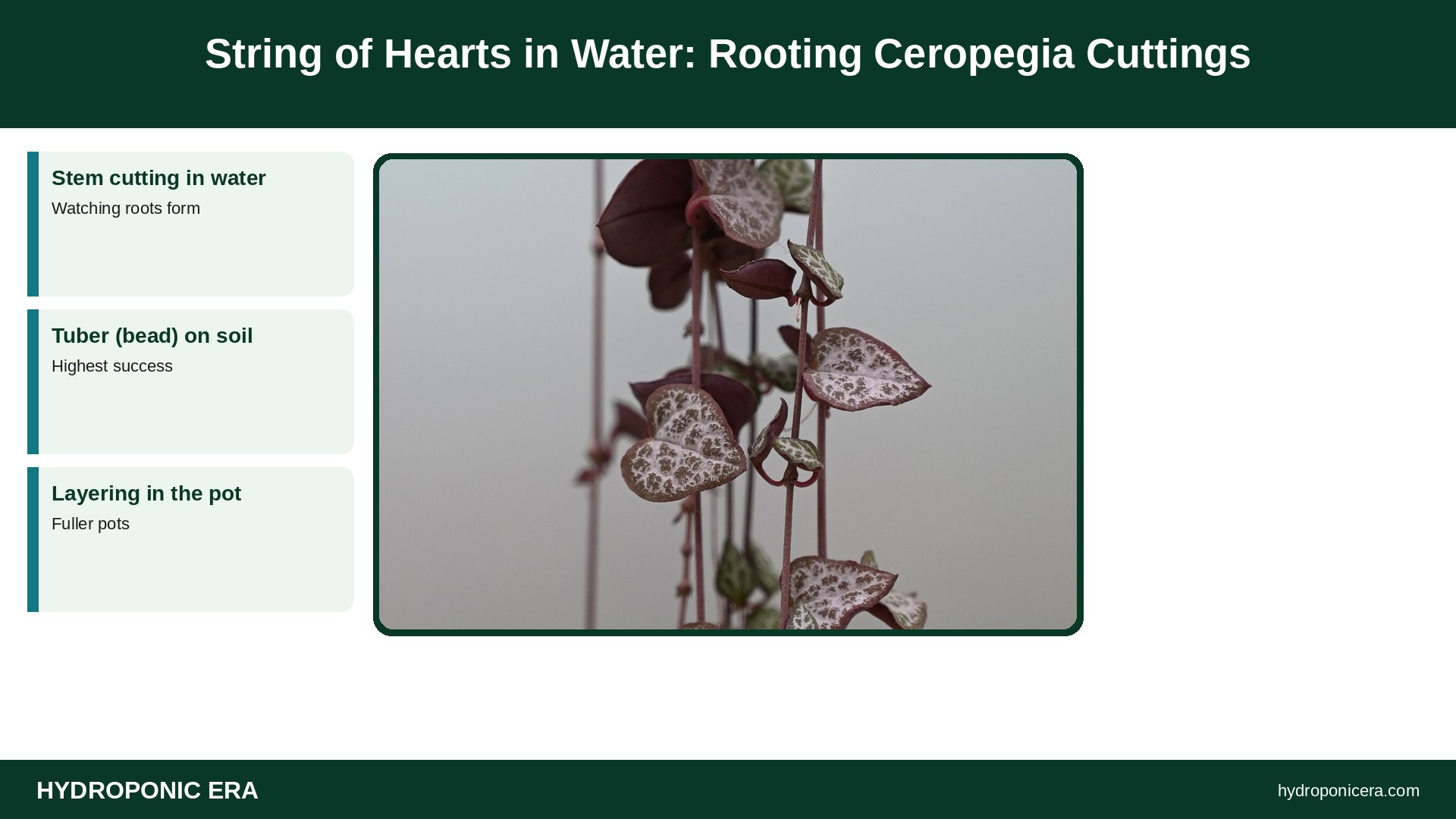
Can you propagate string of hearts in water? Yes. Cut a 4–6 inch (10–15 cm) piece of vine with at least two nodes, remove the leaves from the bottom node and let only that bare node sit in water. Keep the jar in bright, indirect light at 70–80°F (21–27°C) and change the water weekly. Pot once roots reach about 1 inch (2.5 cm).
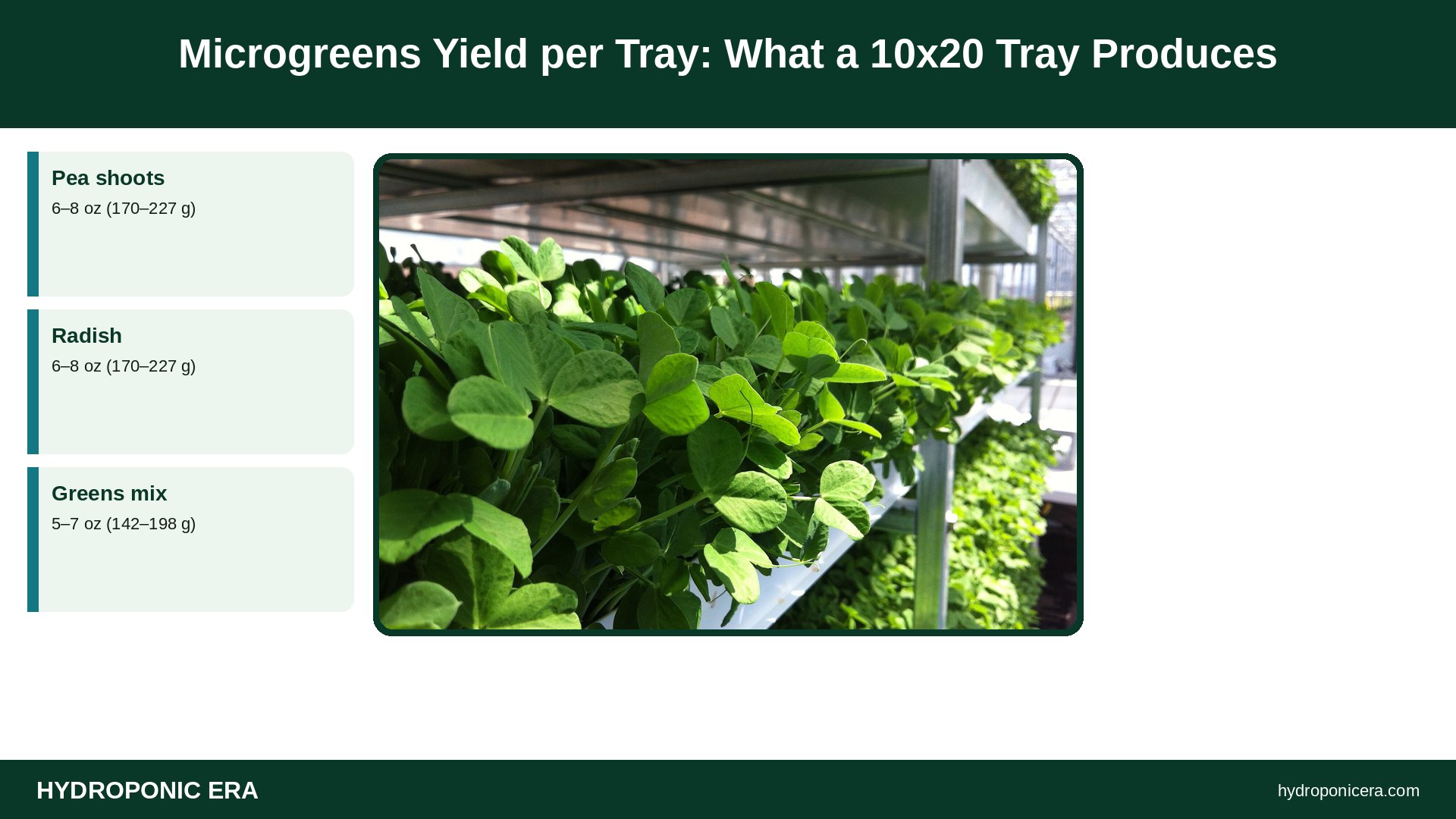
What is the average microgreens yield per tray? Most crops yield 2–8 oz (57–227 g) per tray. Mississippi State Extension lists radish and pea shoots at 6–8 oz (170–227 g), brassicas at 3–7 oz (85–198 g) and herbs like basil, carrot and parsley at 2–4 oz (57–113 g). A Northeast SARE farm trial averaged 7.31 ounces (207 g) per 10×20 inch (25×51 cm) tray.
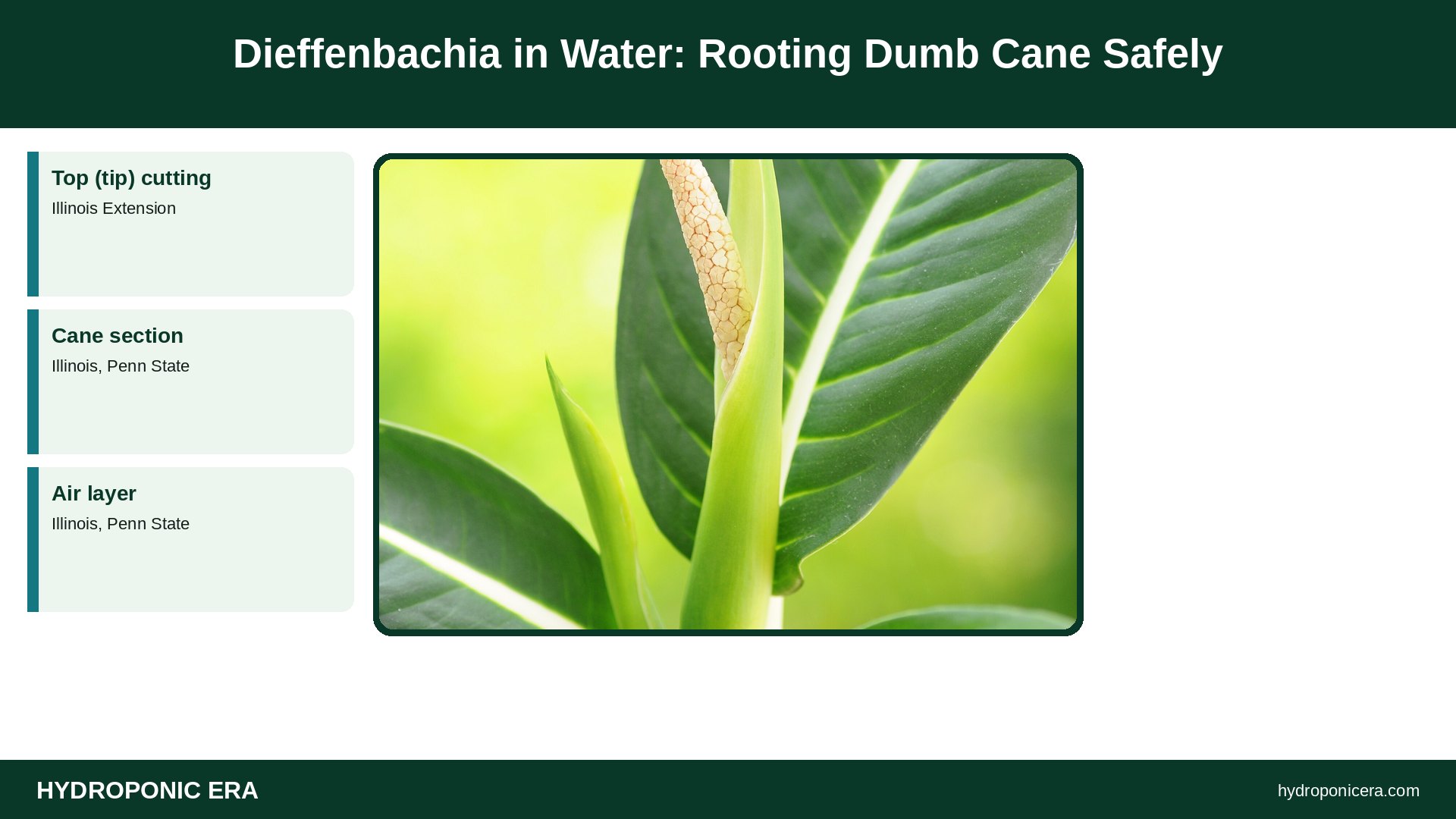
Can you propagate dieffenbachia in water? Yes. Illinois Extension says a leggy dieffenbachia top can be cut off and rooted in sand or water. Cut a 4–6 inch (10–15 cm) top or a 2–3 inch (5–8 cm) cane section with at least two nodes, stand it in water in bright, indirect light at 70–80°F (21–27°C), wear gloves and change the water weekly.
Can you root hydrangea cuttings in water? Yes, softwood hydrangea cuttings in water often root in a few weeks. Take a 4–6 inch (10–15 cm) cutting from a non-flowering shoot in early summer, strip the lower two nodes, halve the big leaves and keep the bare nodes underwater in bright shade. Change the water weekly and pot once roots reach 1 inch (2.5 cm).
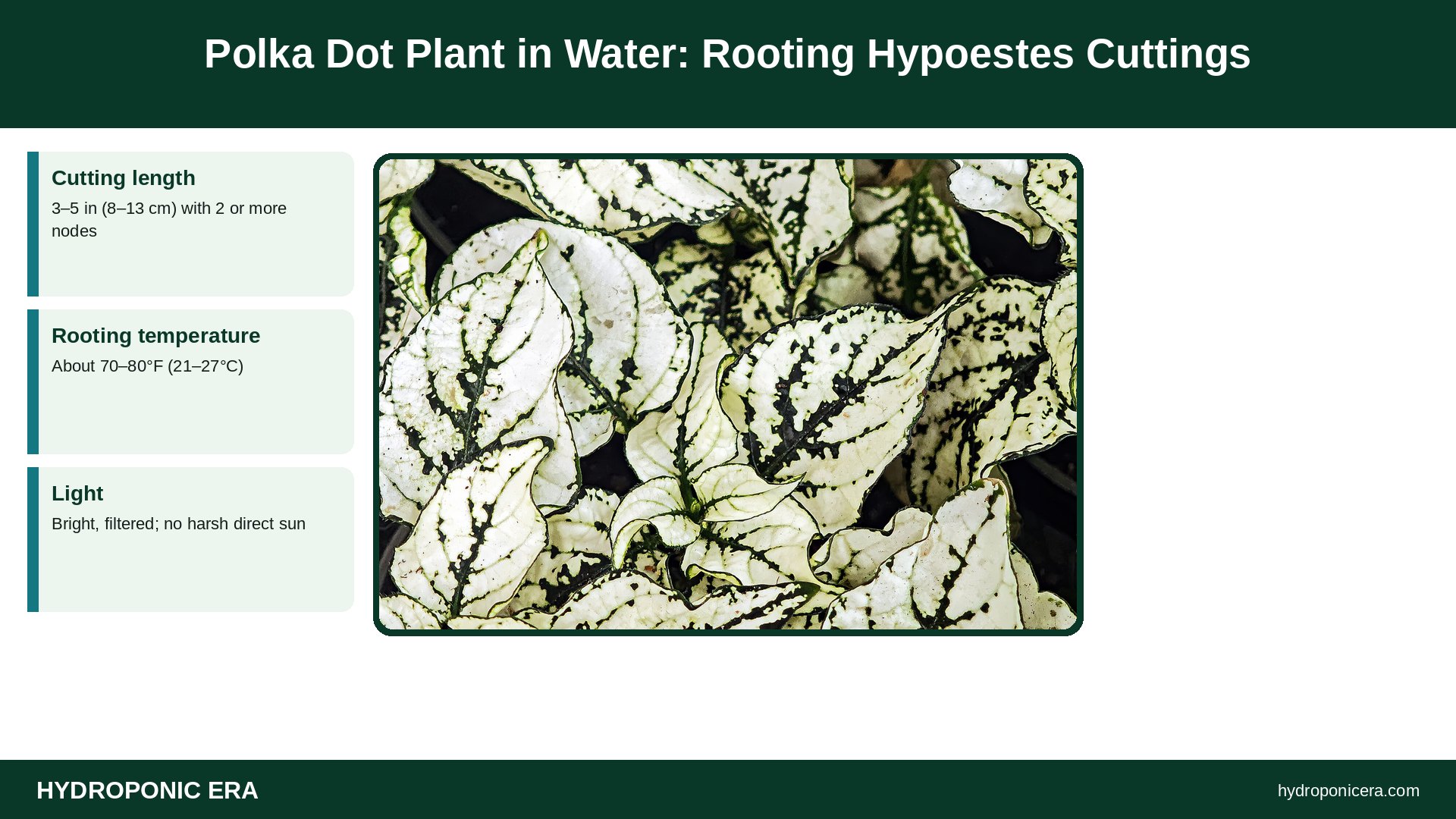
Can you grow polka dot plant in water? Yes. NC State Extension says polka dot plant (Hypoestes phyllostachya) propagates easily from stem cuttings placed in water in a bright spot. Take a 3–5 inch (8–13 cm) tip cutting, strip the lower leaves, keep one or two nodes underwater and change the water weekly. Roots usually form within a couple of weeks.
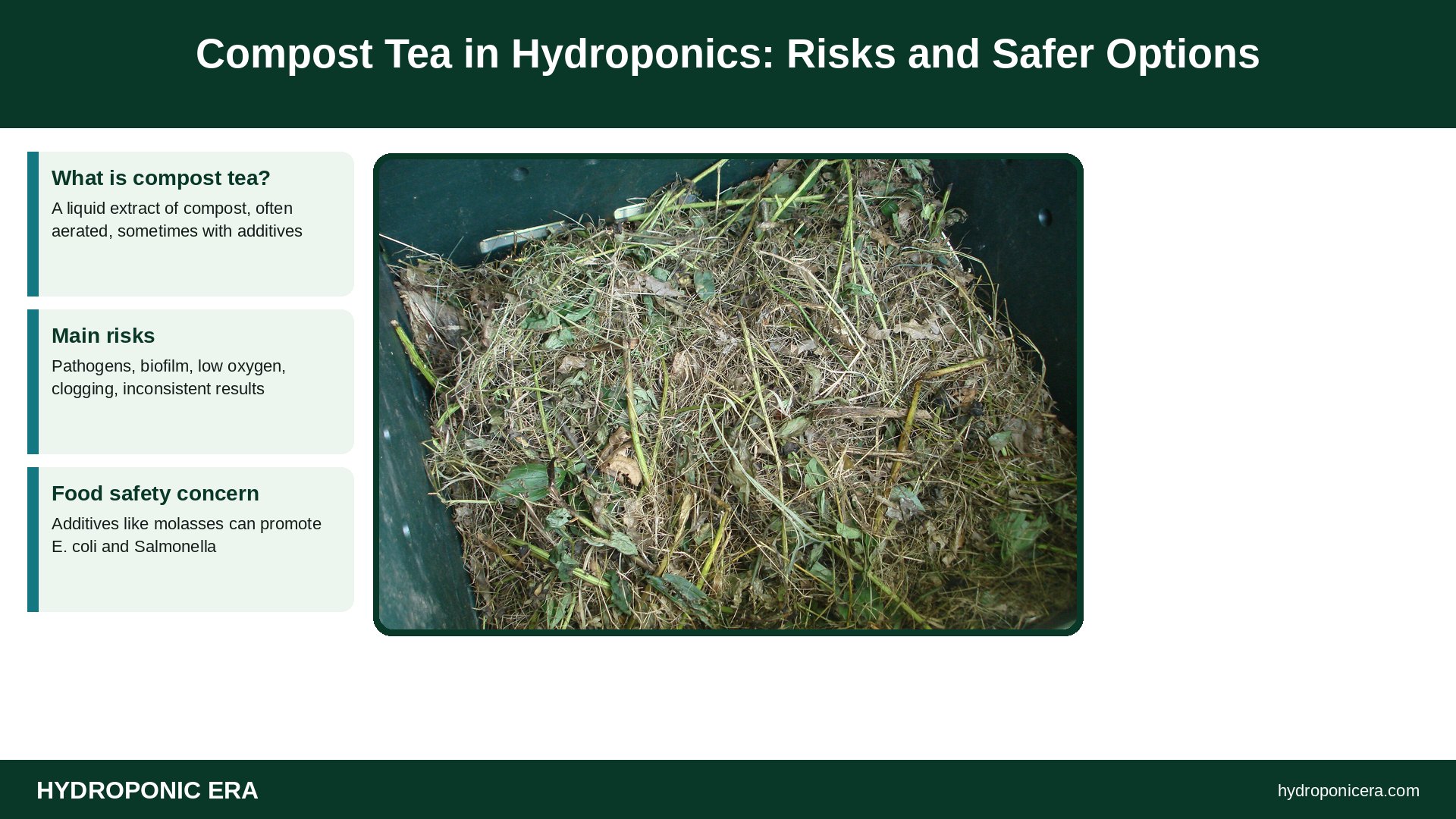
Using compost tea in hydroponics is risky and usually not worth it. Compost tea is made by steeping compost in water, sometimes with aeration and added sugars such as molasses. In a recirculating hydroponic system, it can introduce plant and human pathogens, feed biofilm, cloud the solution, deplete oxygen, and clog equipment. Research has shown that compost teas brewed with added nutrients like molasses can support growth of E. coli and Salmonella. For food crops, safer options include complete hydroponic nutrients, commercial beneficial microbe products labeled for hydroponics, and strict sanitation.
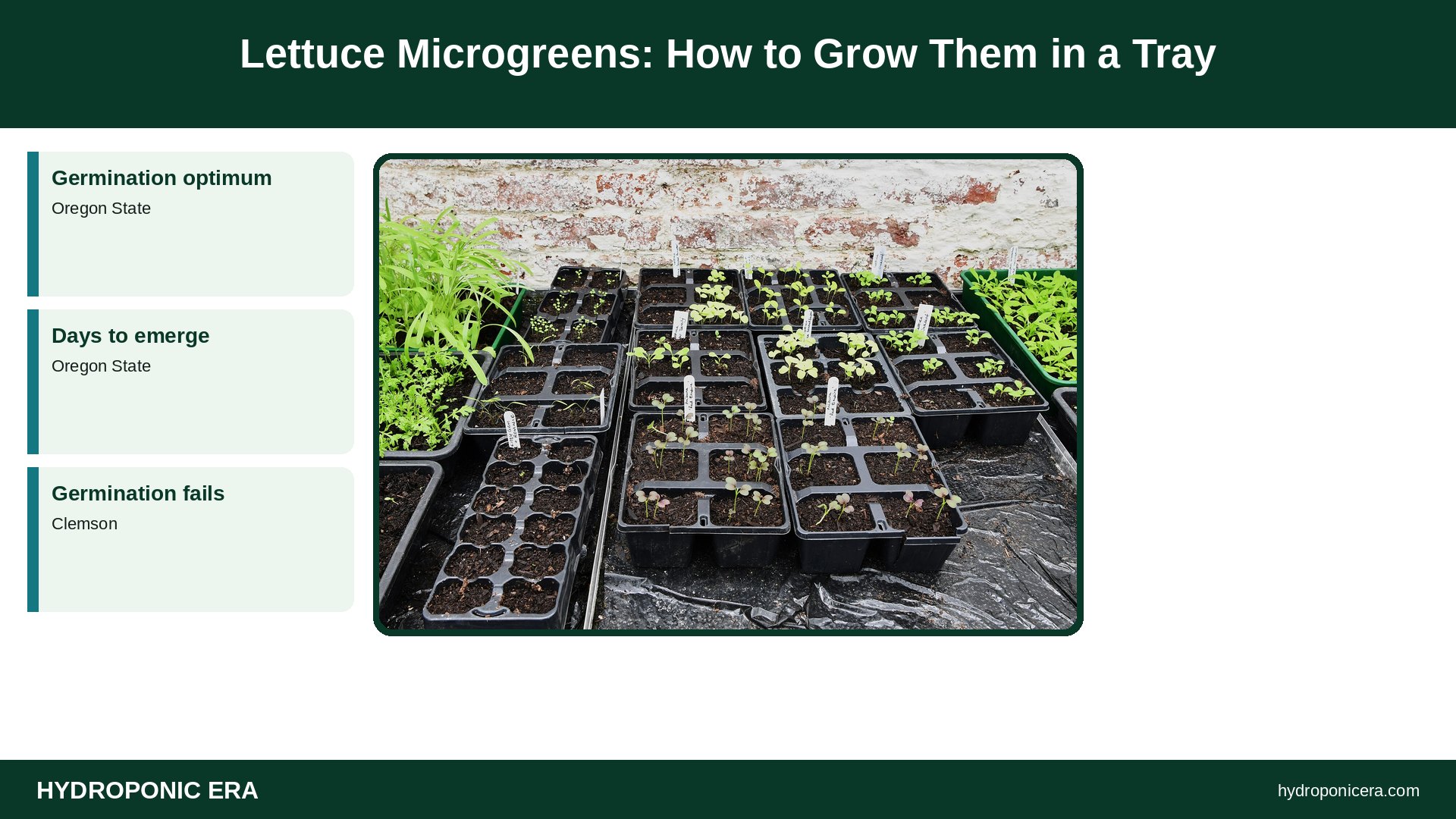
How do you grow lettuce microgreens? Scatter lettuce seed thickly over moist potting mix or a grow mat in a shallow tray, press it in without burying it deeply, and keep it covered and moist at about 65–75°F (18–24°C). Lettuce germinates in 2–4 days at those temperatures. Give 16 hours of light and harvest in about 2–3 weeks, when seedlings reach 2–3 inches (5–8 cm).