usda organic hydroponics — USDA Organic Hydroponics: Can Hydroponic Food Be Organic?

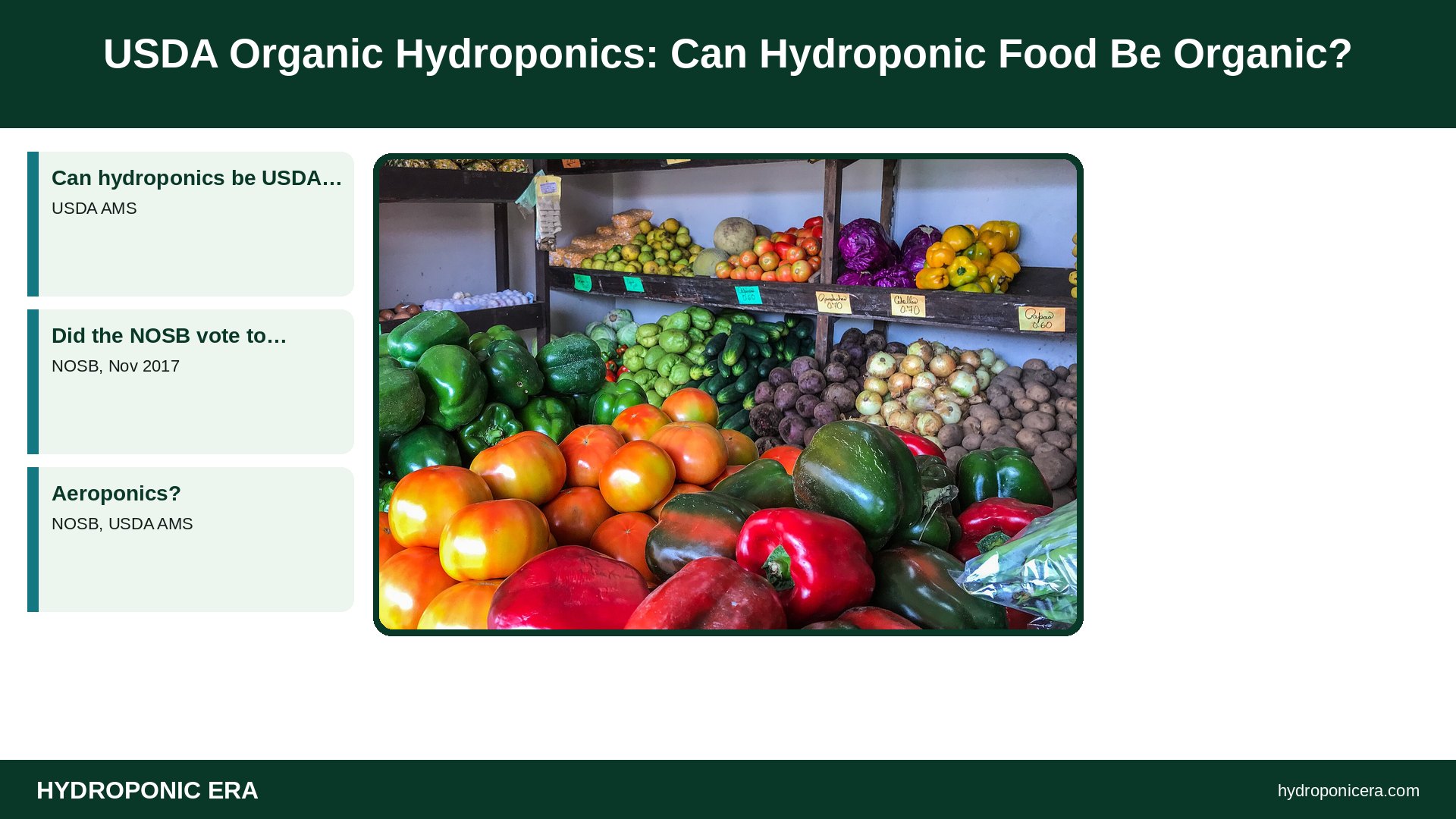
Is USDA organic hydroponics allowed? Yes. USDA says certification of hydroponic, aquaponic and aeroponic operations is allowed under its organic regulations and has been since the National Organic Program began. A USDA-accredited certifier must approve the operation, the land under it must meet the 3-year no-prohibited-substances rule, and every input must comply with the National List.

parlor palm in water — Parlor Palm in Water: Can You Grow Chamaedorea Without Soil?

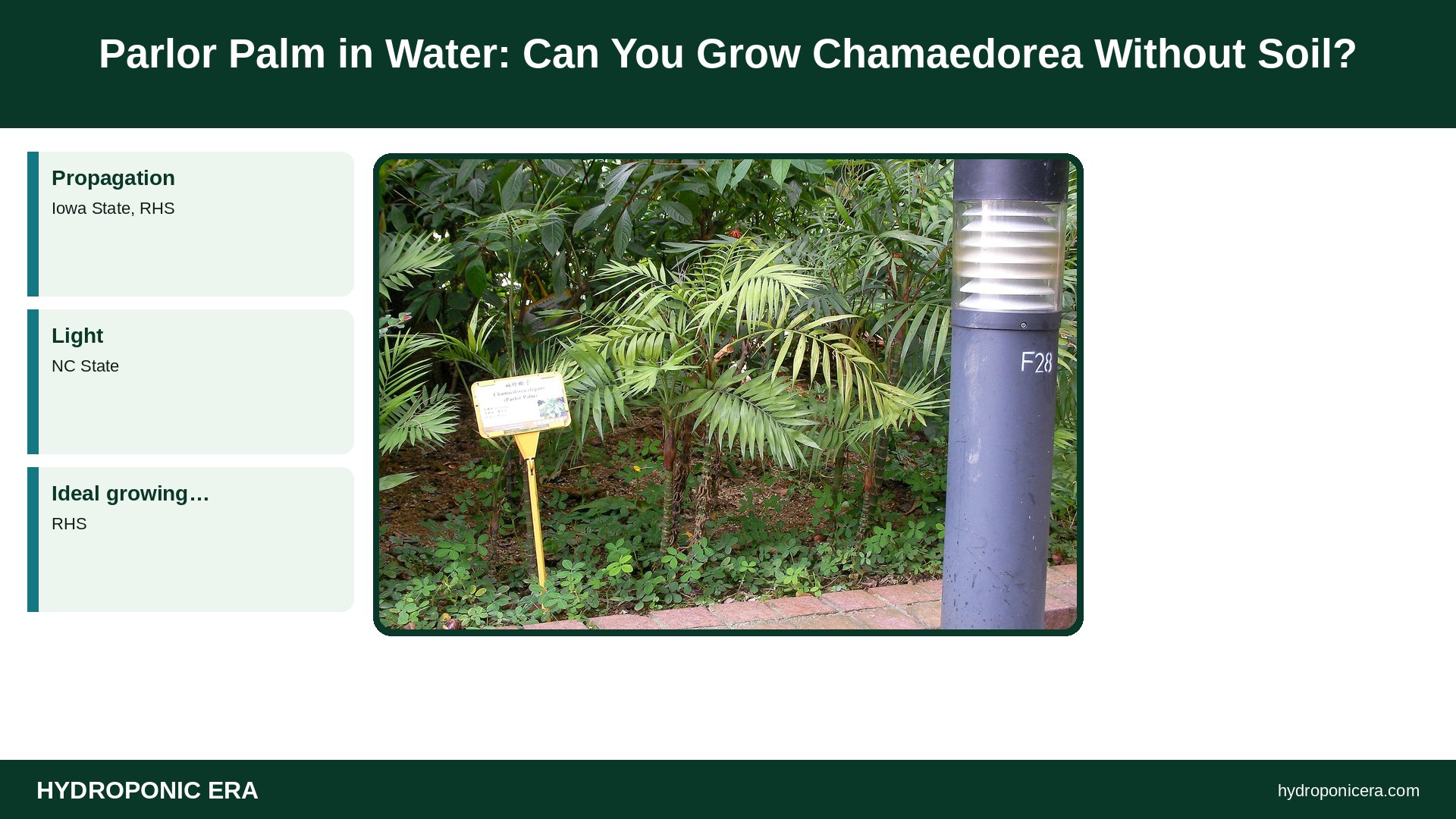
Can you grow a parlor palm in water? You can’t root a parlor palm from a cutting, because each stem has a single growing point. Instead, divide a multi-stem pot so each piece keeps its own roots, rinse off the soil, and set the roots in clean water or clay pebbles with the stem base above the waterline. Keep it in bright, indirect light at 68–80°F (20–27°C).

boron toxicity — Boron Toxicity in Hydroponics: Symptoms and Fixes

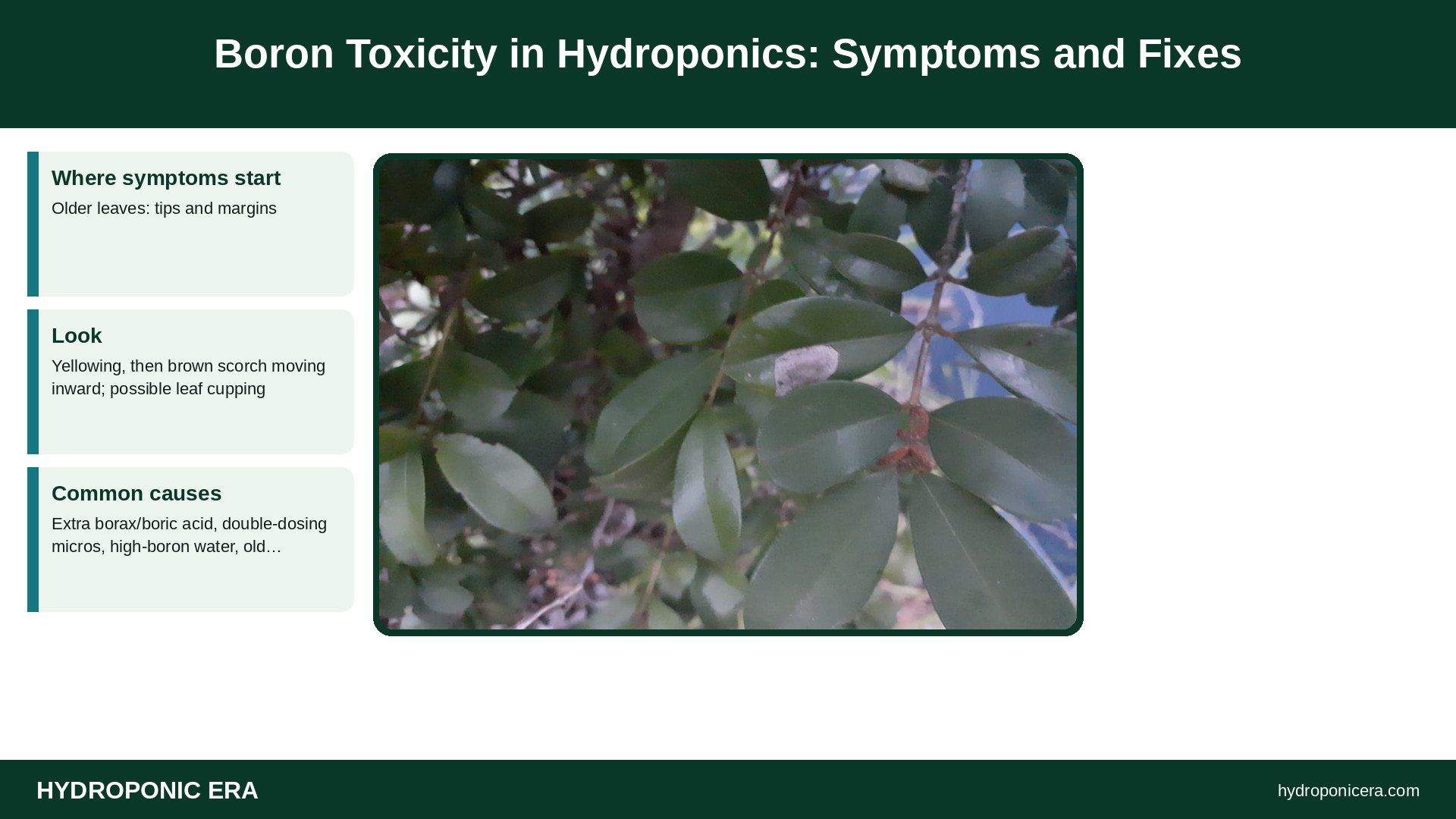
Boron toxicity in hydroponics shows up first on older, lower leaves as yellowing and then brown, scorched tips and margins that spread inward, sometimes with small dark spots. It happens when boron in the nutrient solution builds too high, usually from overdosing micronutrients, adding borax or boric acid by hand, recirculating solution for too long, or using source water that’s naturally high in boron. The fix is to stop any extra boron, replace the solution with fresh mix, test your source water, and keep boron in the low range typical of hydroponic recipes.