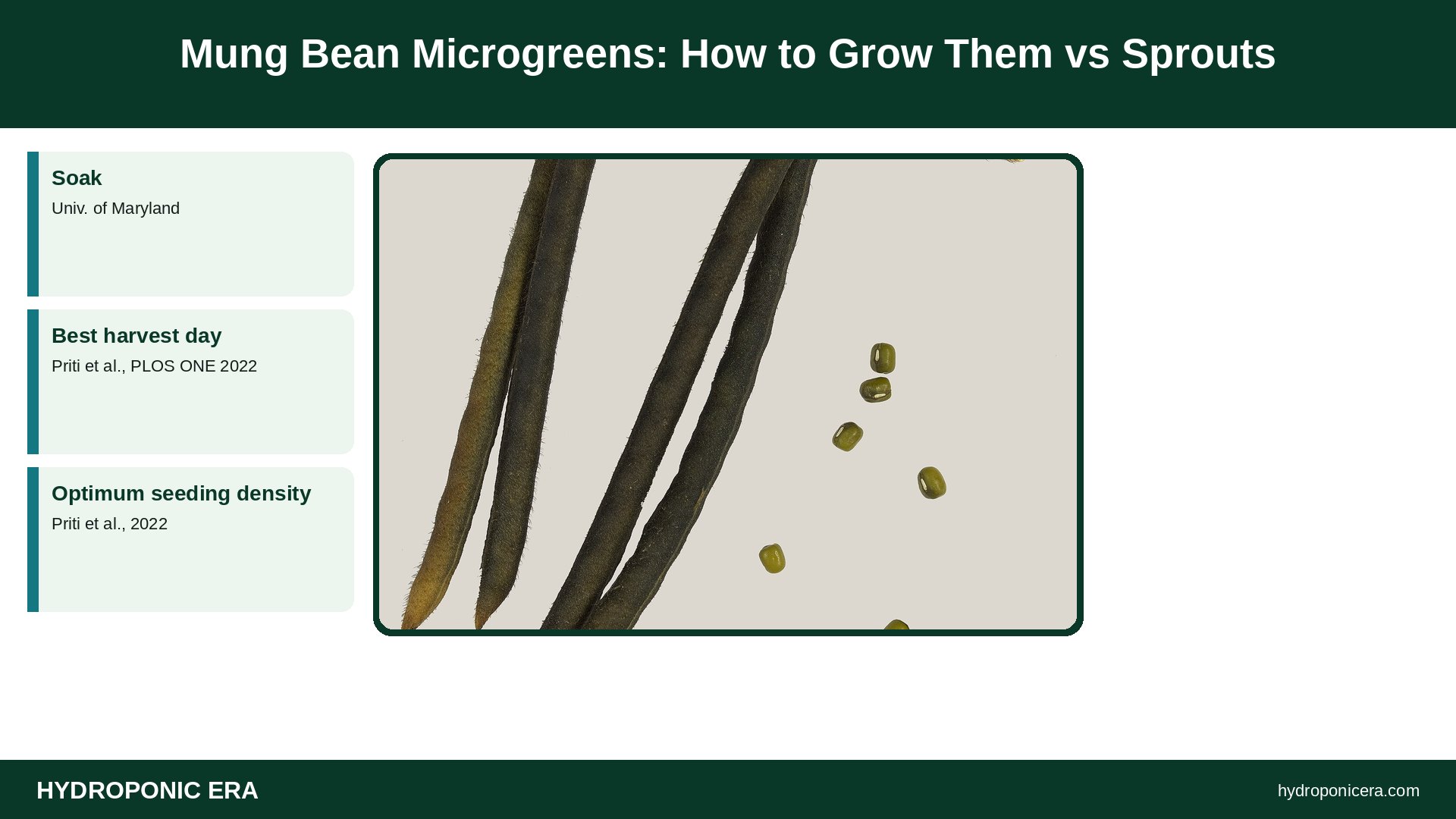
How do you grow mung bean microgreens? Soak mung beans 6–12 hours, as University of Maryland Extension advises, then sow about 3 seeds per sq cm (roughly 19 per sq in) on moist media, cover until rooted and give bright light. A 2022 PLOS ONE study found mung bean microgreens were best harvested on day 7 after sowing, the fastest of the crops it tested.
How do you grow lentil microgreens? Soak whole lentils, sow them about 3 seeds per sq cm (roughly 19 per sq in) on moist media, keep them covered until they sprout, then give bright light. A 2022 Indian greenhouse study found lentil microgreens were best harvested on day 9 after sowing. They’re mild, crunchy and cheap, but use whole, untreated lentils, not split ones.
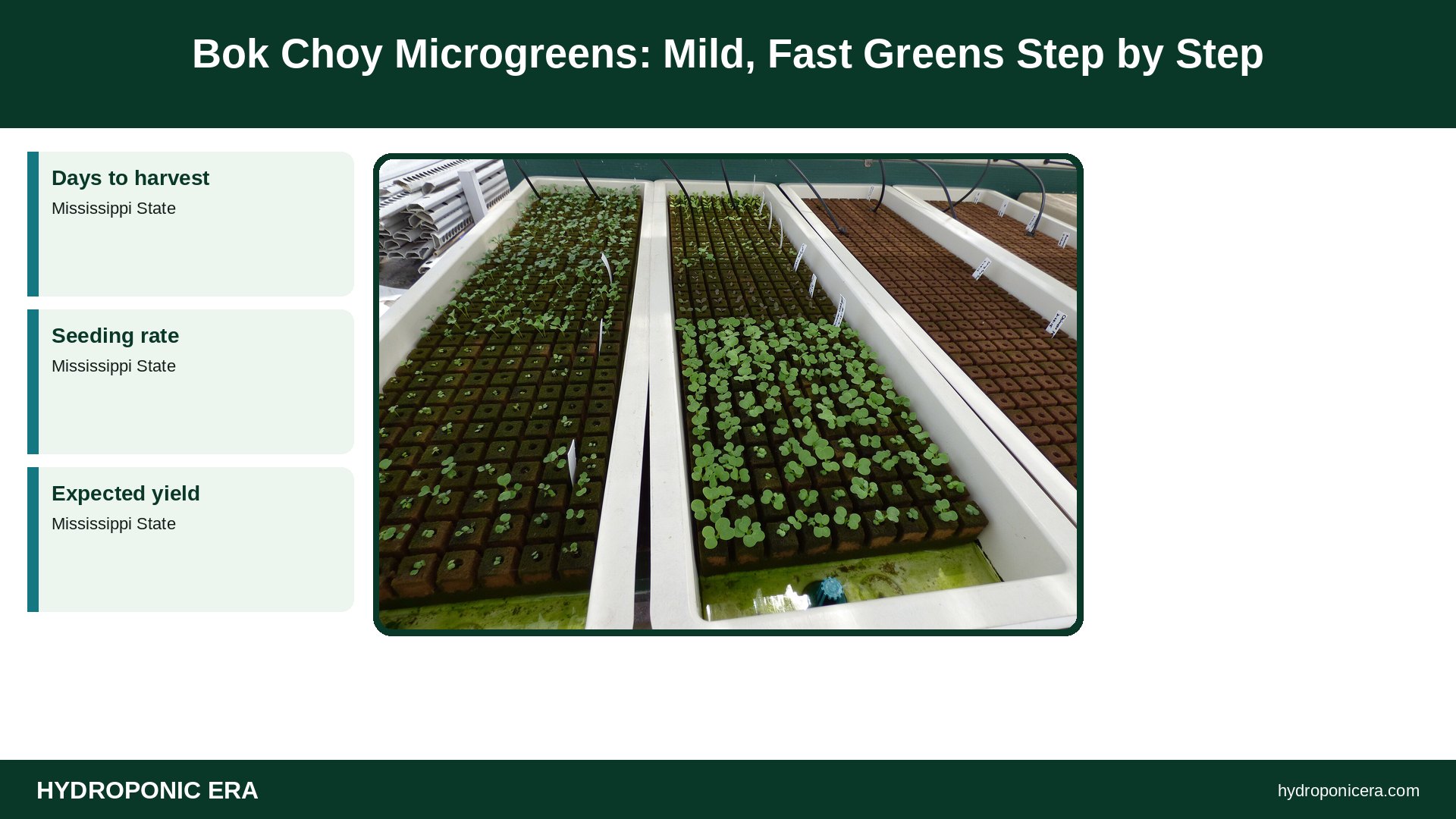
How do you grow bok choy microgreens? Sprinkle 2–3 teaspoons of bok choy (pac choi) seed over a moist 10 × 20 in (25 × 50 cm) tray of peat-based mix, cover until it sprouts, then grow under bright light. Mississippi State Extension says bok choy microgreens are ready in 10–15 days, with a mild flavor and a yield of about 4–6 oz (113–170 g) per tray.
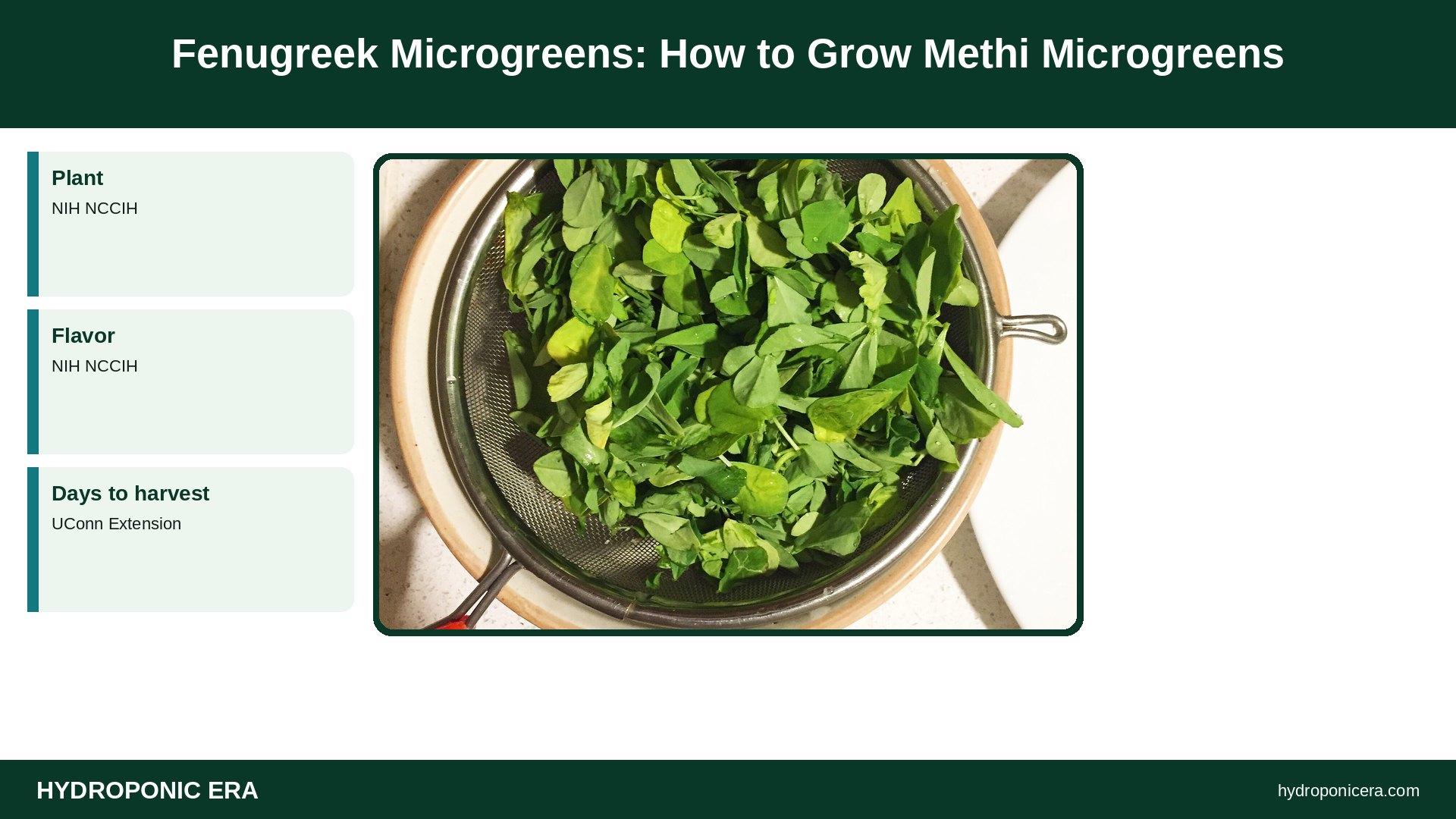
How do you grow fenugreek microgreens? Sow untreated fenugreek (methi) seed densely on moist potting mix or a grow mat, cover until it sprouts, then give 12–16 hours of light and harvest when the first true leaves appear. UConn Extension says most microgreens are ready 7–10 days after sowing. Buy seed from a reputable supplier, since seed is the main food-safety risk.
Are microgreens healthy? Yes. A USDA Agricultural Research Service study of 25 microgreens found they contained, on average, about five times more vitamins and carotenoids than the mature plants, and University of Maryland Extension says they’re higher in vitamins and phytochemicals. Levels vary widely by crop, and like sprouts they carry some food-safety risk, so buy clean seed and handle them carefully.
Can you root hibiscus cuttings in water? Tropical hibiscus can root in water, but extension services root it in a light potting mix with rooting hormone, where University of Minnesota says a good root system forms in 3–5 weeks. For water, use a 3–5 in (8–13 cm) semi-hardwood tip, strip the lower leaves, keep it warm and bright, and change the water every few days.
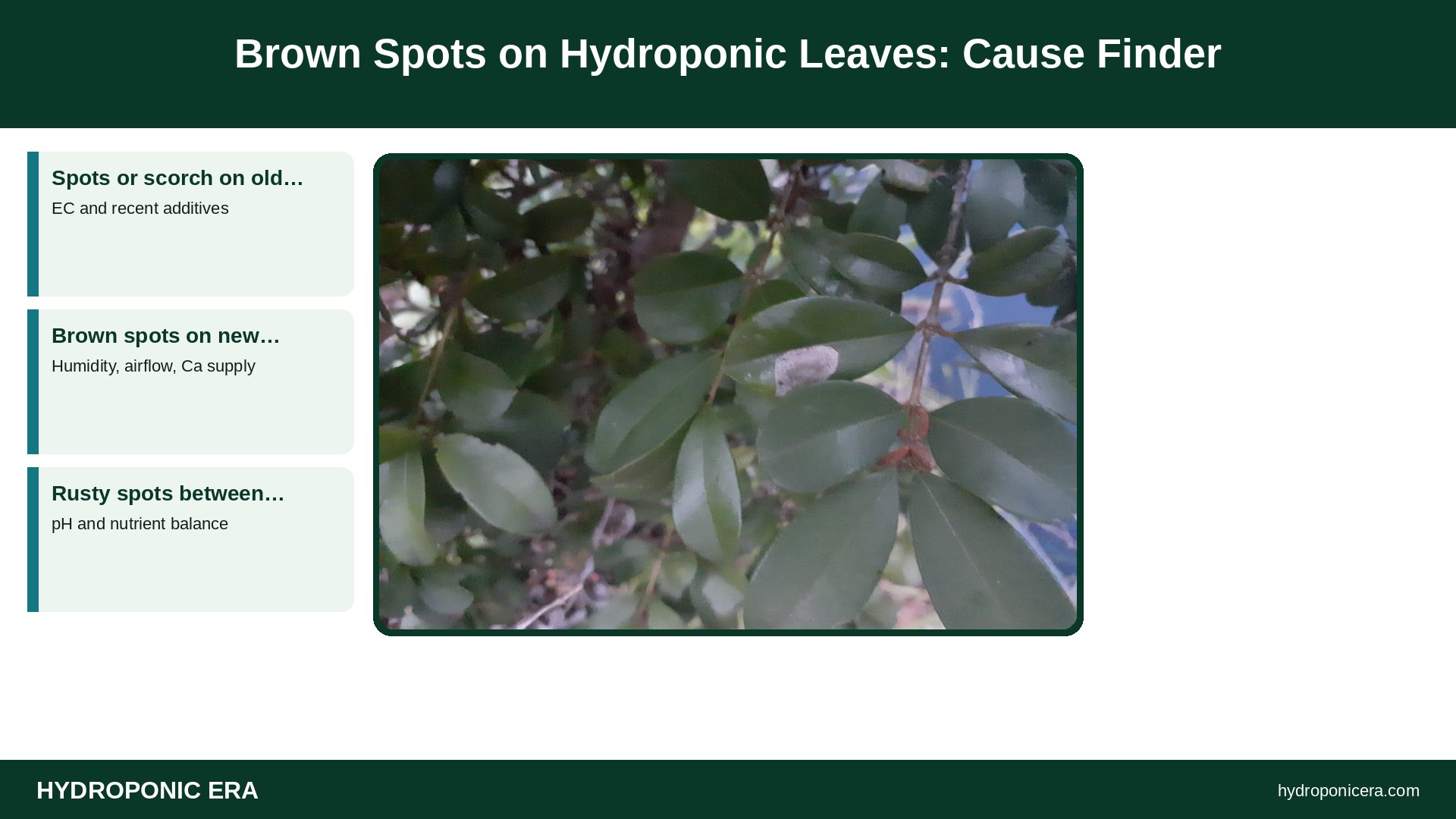
Brown spots on hydroponic leaves usually come from one of five causes: nutrient problems (especially calcium, potassium, or magnesium), pH drift that locks out nutrients, fungal or bacterial disease, light or heat burn, or pests such as thrips and spider mites. Where the brown spots appear, on old or new leaves, at edges or between veins, and whether they have yellow halos or fuzzy growth, narrows the cause quickly. Start by checking pH and EC, then inspect leaf undersides with a magnifier.
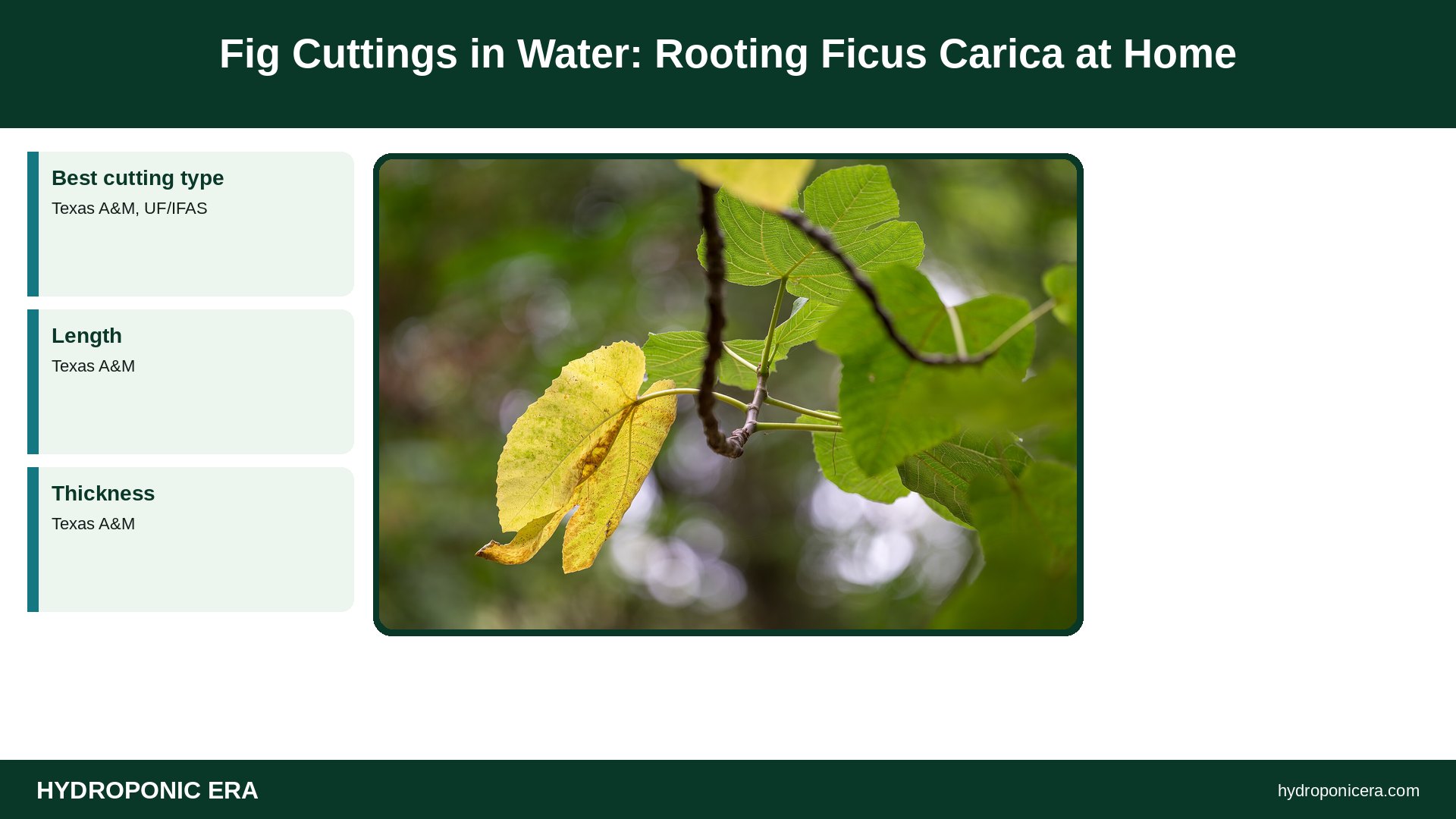
Can you root fig cuttings in water? Some will, but extension services root figs in a moist medium instead. Texas A&M calls figs one of the easiest fruit crops to propagate from dormant hardwood cuttings 6–10 in (15–25 cm) long. For water, stand a callused cutting in 1–2 in (2.5–5 cm) of clean water, change it every few days and pot once roots appear.
Can you root rose cuttings in water? Sometimes, but it’s the least reliable method. Extension guides from UC and Iowa State root roses in a moist, soilless mix under a humidity cover, where roots form in about 6–8 weeks. If you try water, use a 4–8 in (10–20 cm) current-season stem, keep leaves dry, change the water often and pot once roots appear.
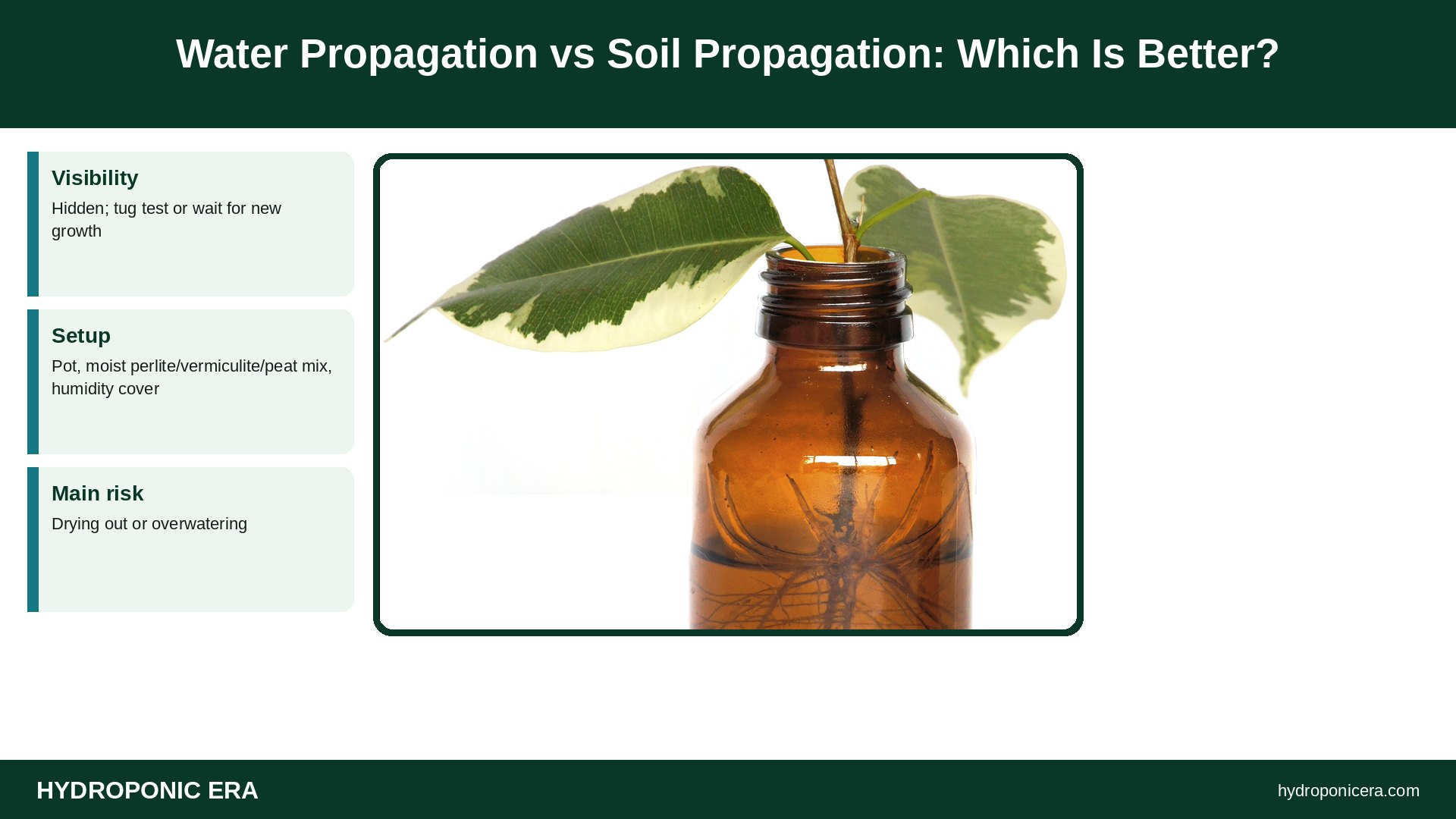
Which is better, water propagation vs soil propagation? It depends on the plant. Water propagation is easy and lets you watch roots form, and University of Maryland lists pothos, philodendron and coleus as easy water rooters. But Illinois Extension warns water roots are often weak and adapt poorly to potting mix, so cuttings bound for pots usually do better rooted in a moist, soilless medium.