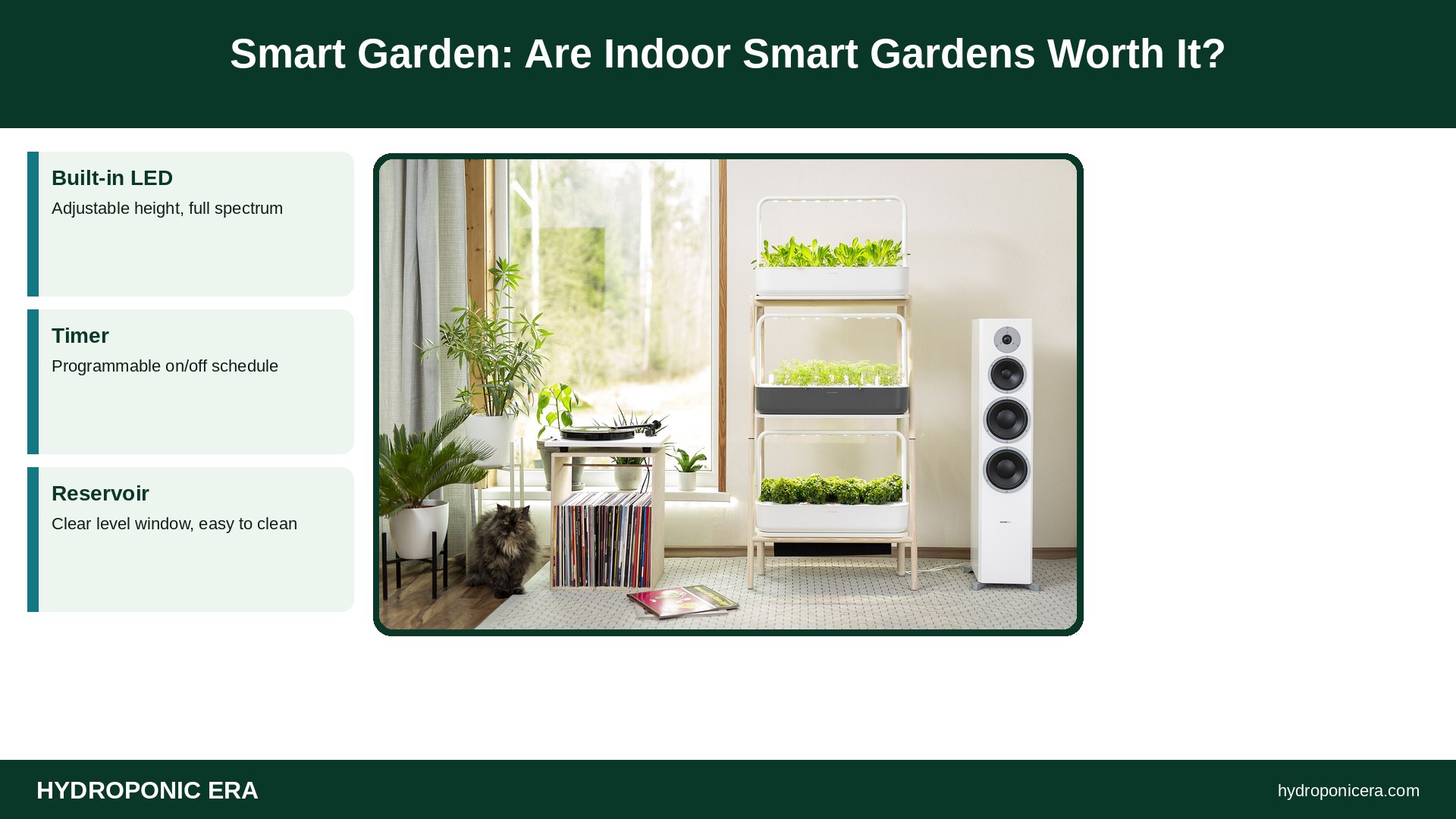
Is a smart garden worth it? A smart garden is worth it if you want fresh herbs or lettuce indoors with little effort. It combines a small hydroponic reservoir, seed pods and a built-in LED light on a timer. It suits leafy greens and herbs best; tomatoes and peppers need more light, space and patience than most countertop units give.
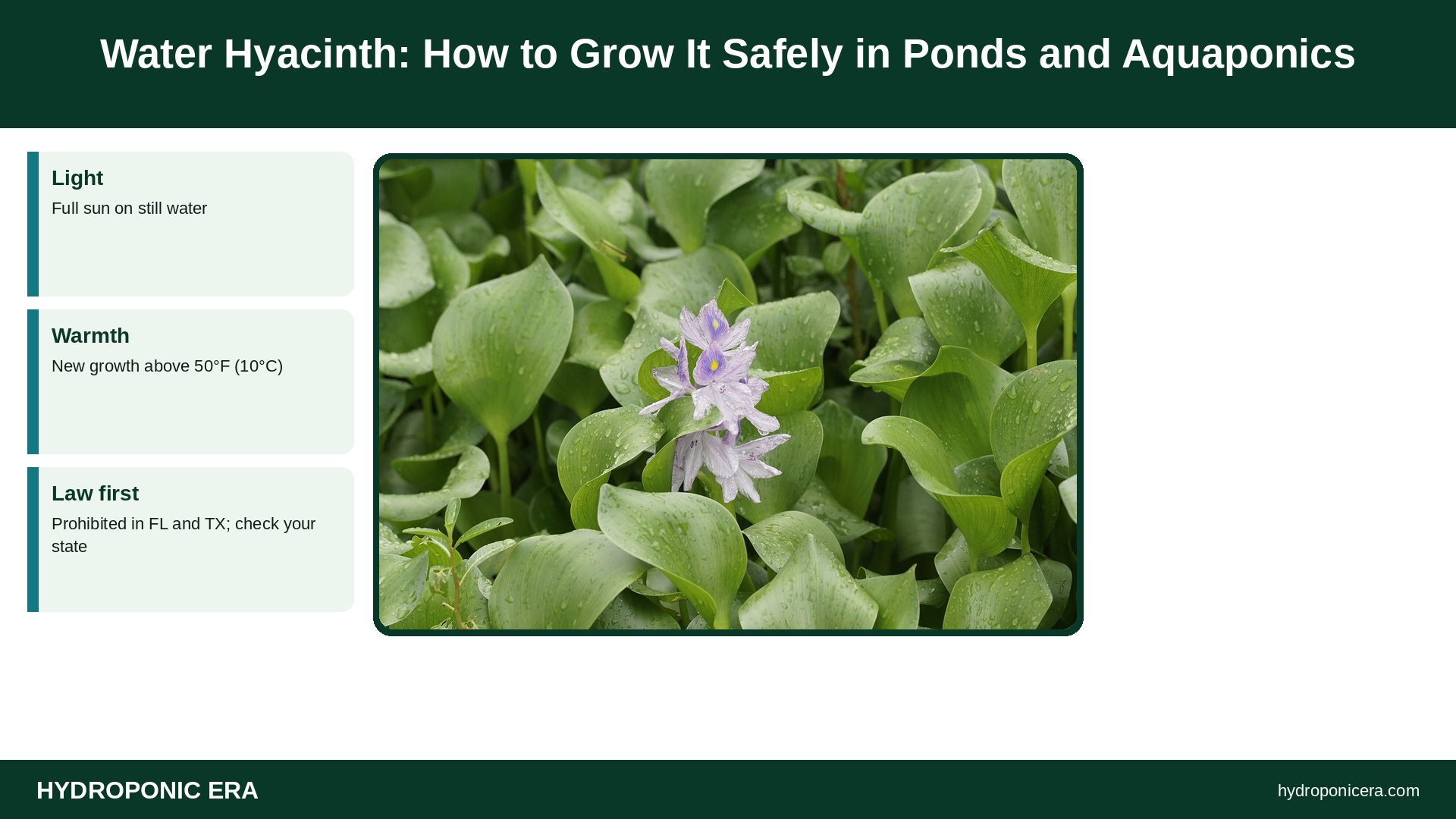
How do you grow water hyacinth? Float young plants on still water in full sun after your last frost, keep the water above 50°F (10°C) and thin the mat often, because populations can double in 6–18 days. Before buying, check your state list: water hyacinth is illegal to possess in Florida and Texas and regulated in several other states.
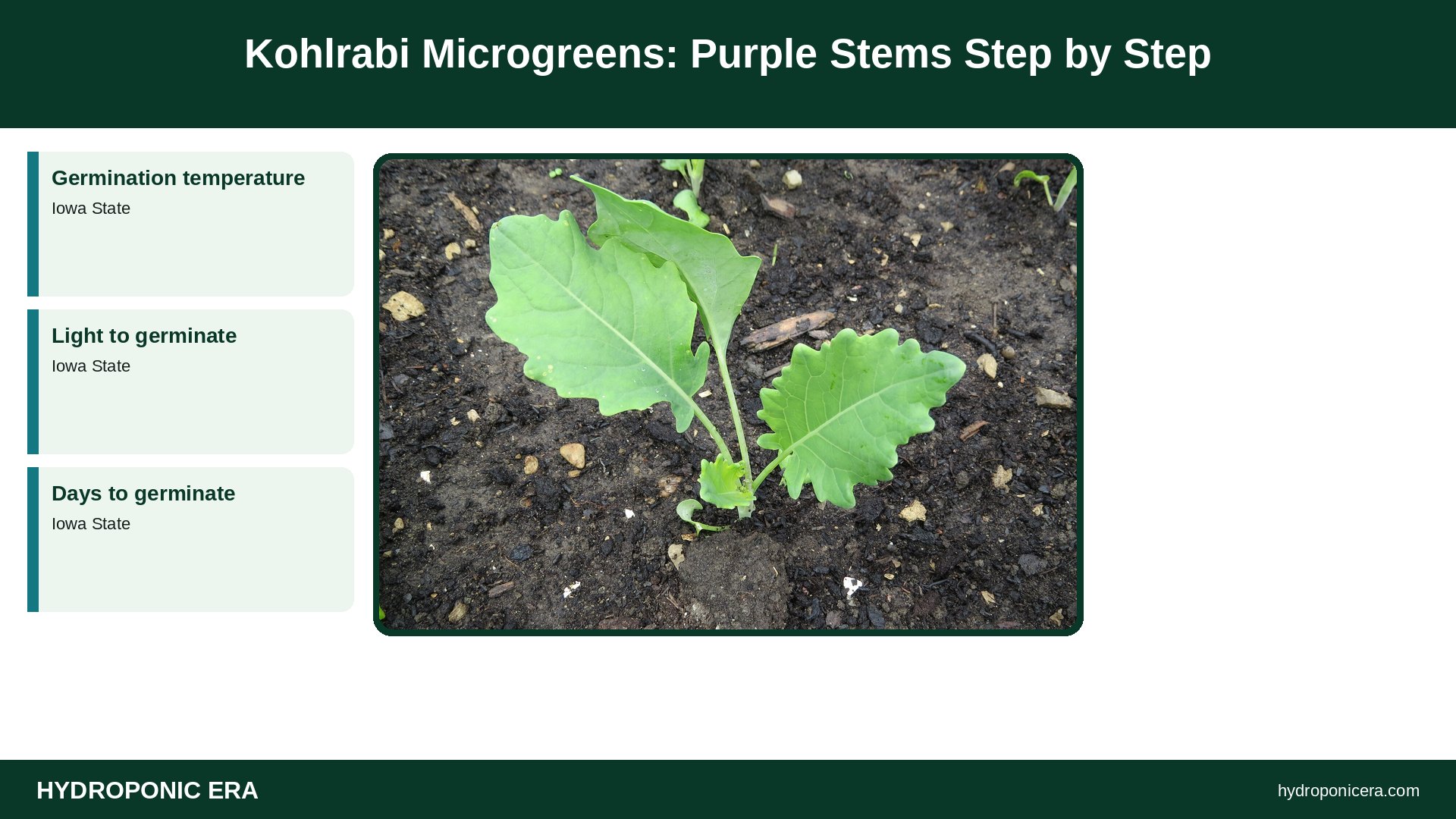
How do you grow kohlrabi microgreens? Sprinkle about 3 tsp of seed over a tray of moist mix or a hydroponic mat, keep it dark at 65–70°F (18–21°C) until it sprouts in 4–7 days, then give about 16 hours of light. Mississippi State harvests kohlrabi microgreens in 10–15 days, yielding 2–4 oz (57–113 g) per tray.
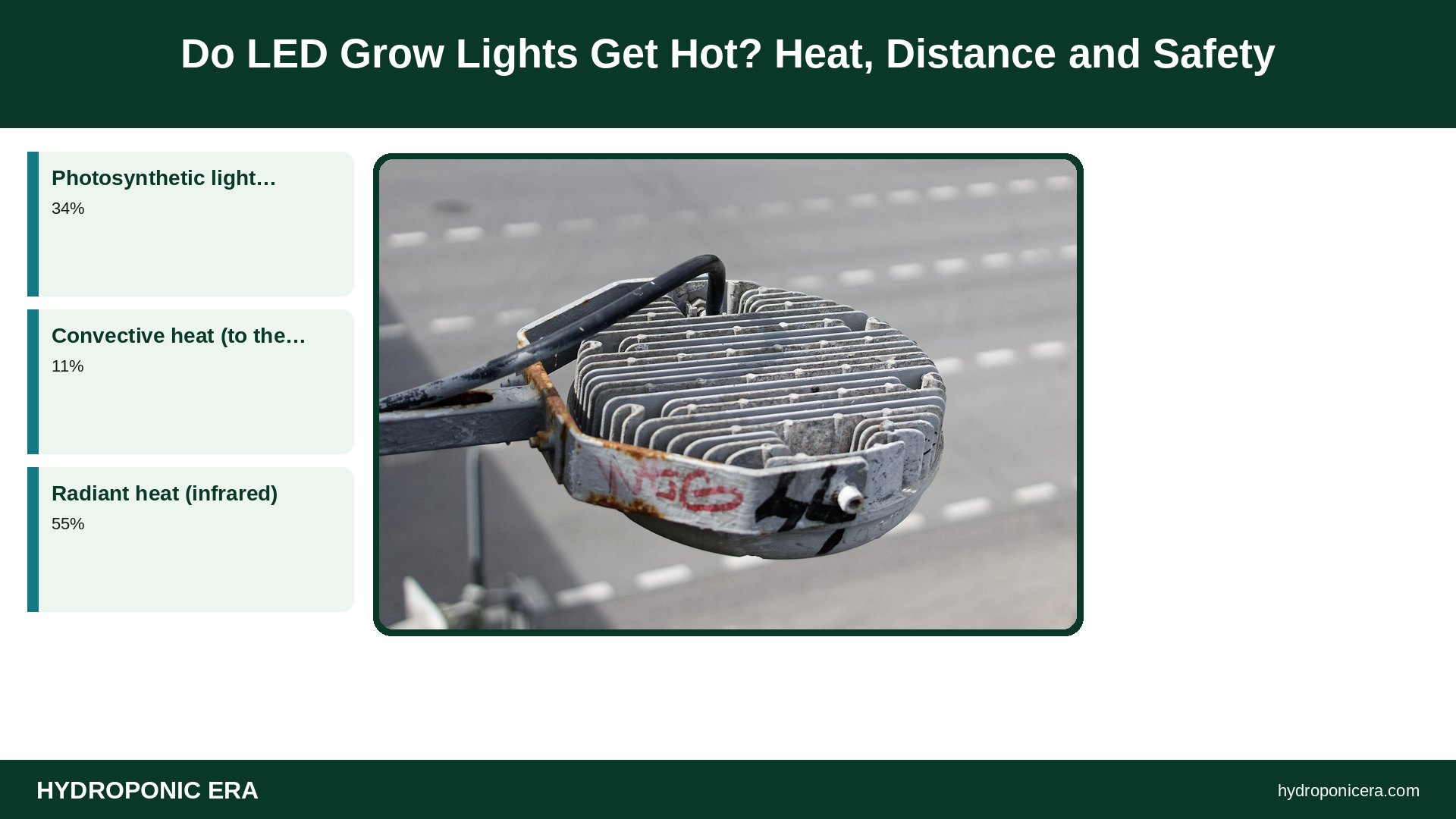
Do LED grow lights get hot? Yes, they get warm, and the heat sink can be hot to touch, but they send far less heat toward plants than HPS lamps. Greenhouse modeling puts LED output at about 47% light and 27% radiant heat, versus 34% light and 55% radiant heat for HPS. Nearly all the electricity still ends up as heat in your room.
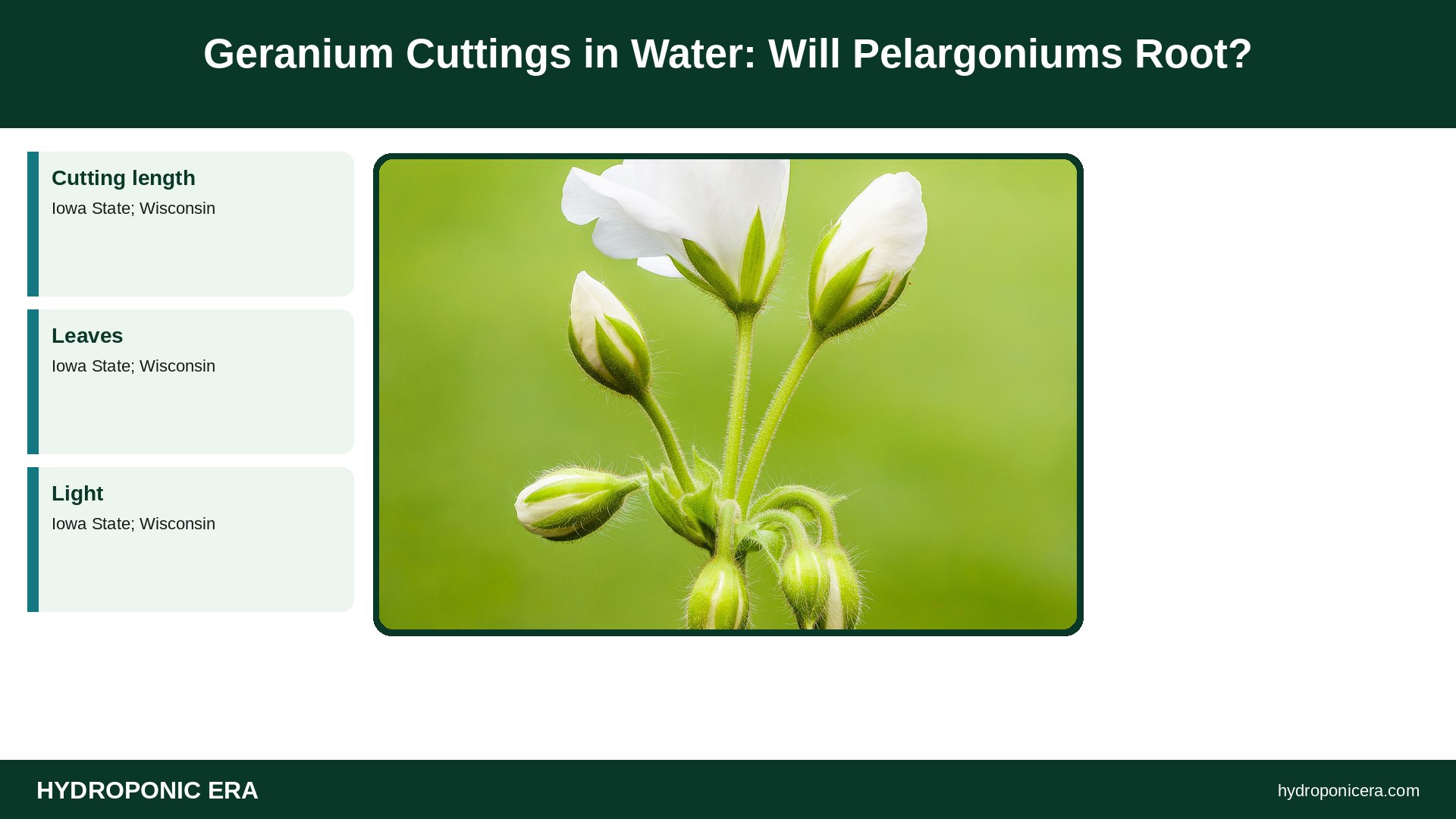
Can you root geranium cuttings in water? Yes, but it’s the less reliable method. Take 3–4 in (8–10 cm) stem tips, strip the lower leaves, stand them in clean water in bright, indirect light and change the water often. Geranium cuttings in water can turn slimy and rot, so Iowa State and Wisconsin Extension recommend a well-drained rooting medium, where cuttings root in about 6–8 weeks.
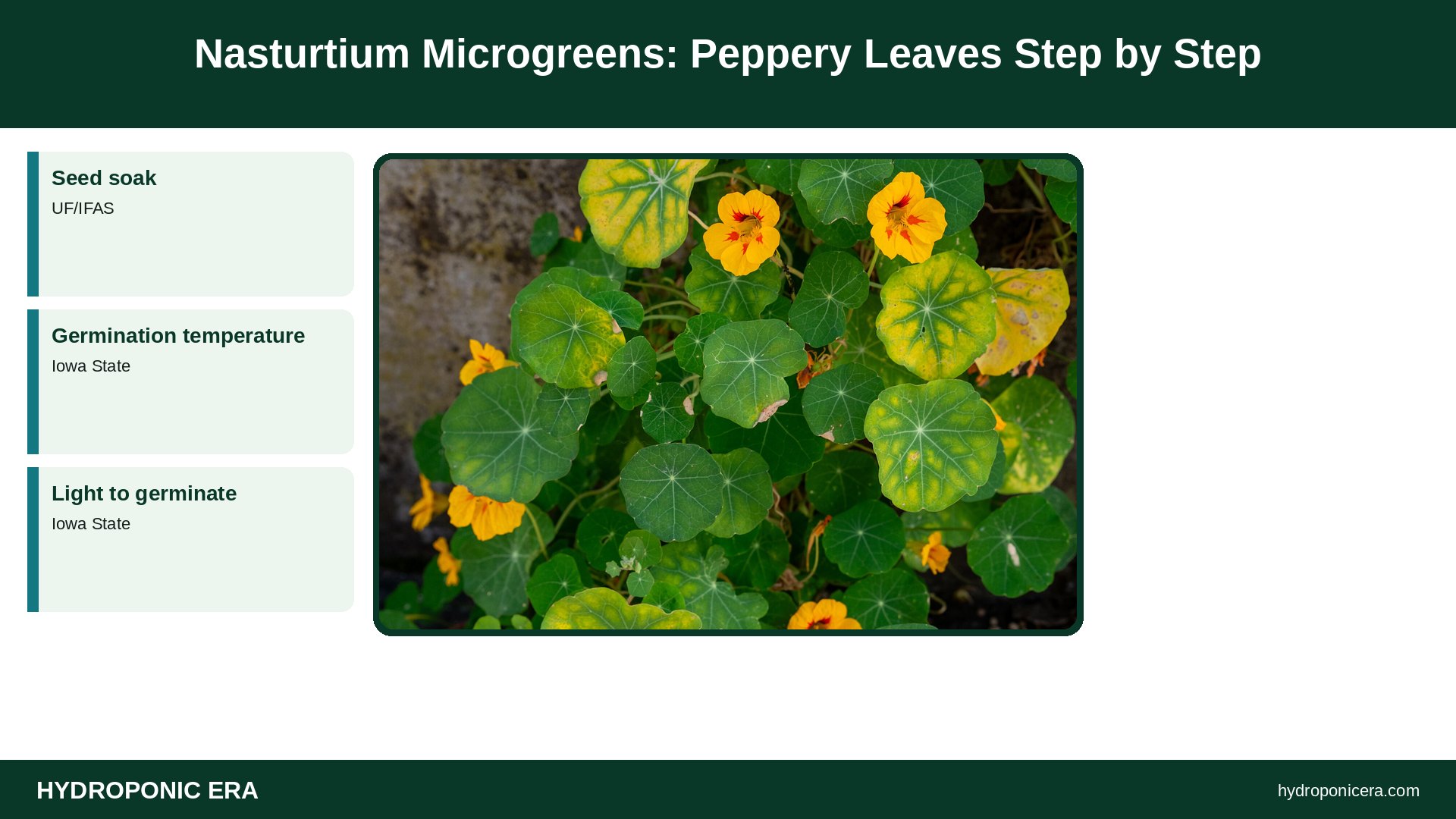
How do you grow nasturtium microgreens? Soak the large seeds about 8 hours, sow them on moist potting mix rather than a mat, cover them in darkness and keep them at 65–70°F (18–21°C). They’re slower than radish or broccoli; Iowa State lists 10–14 days to germinate. Harvest nasturtium microgreens as peppery shoots about 3–5 in (8–13 cm) tall, cutting above the seed.
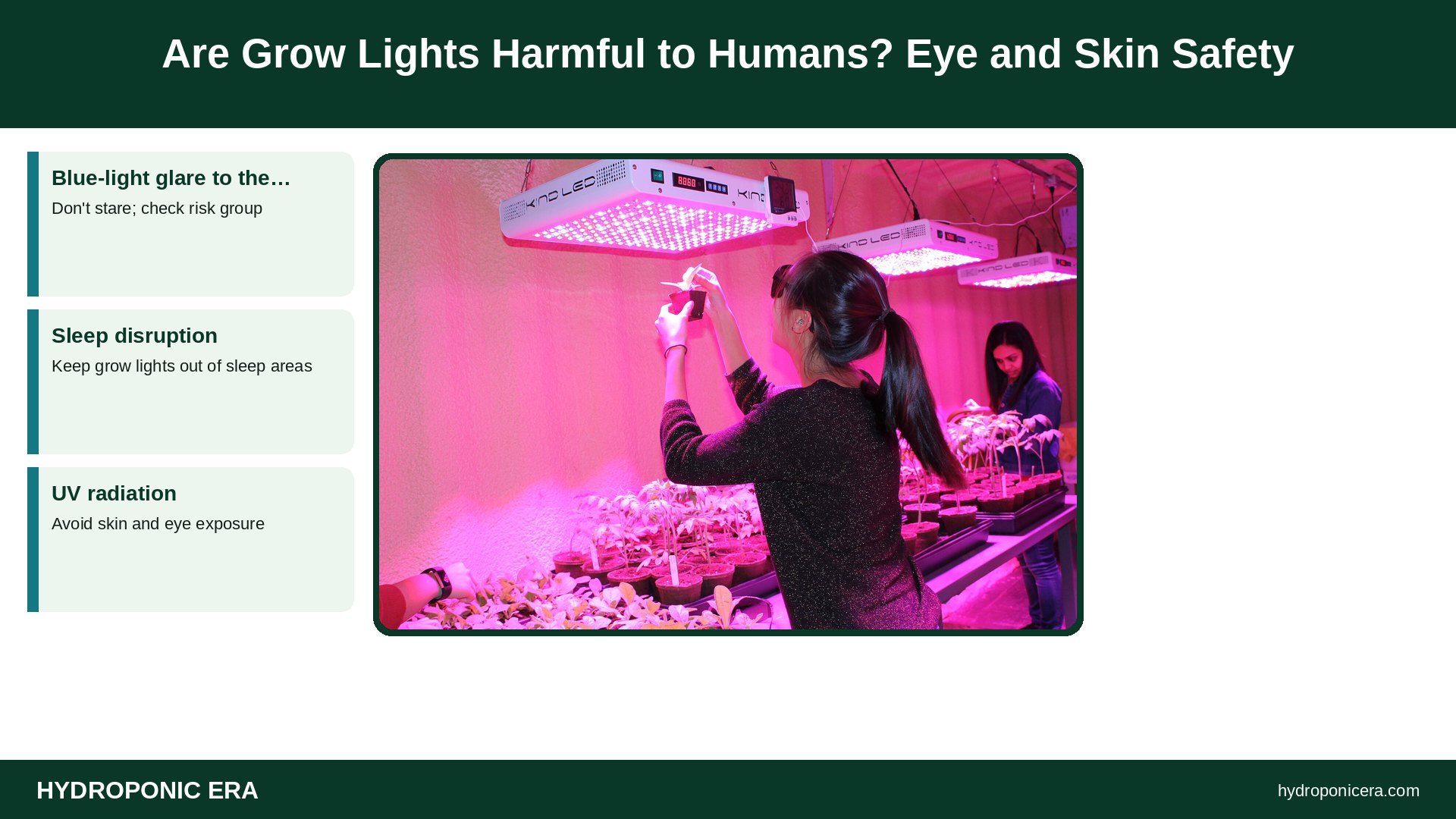
Are grow lights harmful to humans? For normal home use, no, provided you don’t stare into them. Most LED grow lights emit no UV, and North American horticultural fixtures are rated for eye risk under UL 8800 and IEC 62471. The real concerns are glare from intense blue light, sleep disruption from bright evening light, UV or infrared add-ons, and hot or poorly wired fixtures.
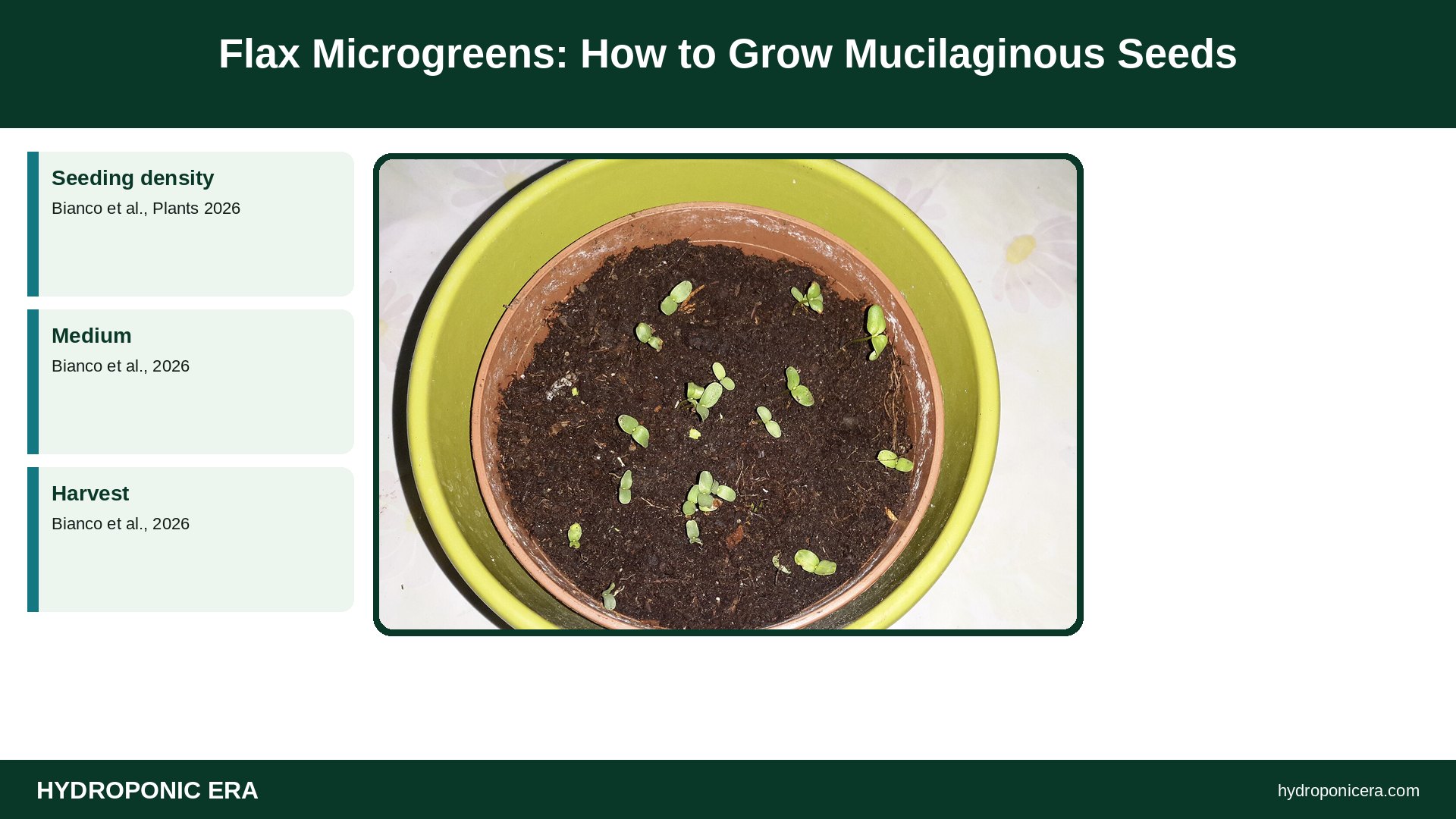
How do you grow flax microgreens? Scatter dry flax seed about 19 per sq in (3 per sq cm) on moist peat mix, mist, cover until it sprouts, then give bright light. A 2026 University of Bari study harvested flax microgreens about 10 days after sowing, at the first true leaves. Don’t soak the seed, and eat flax microgreens sparingly; they contain cyanogenic compounds.
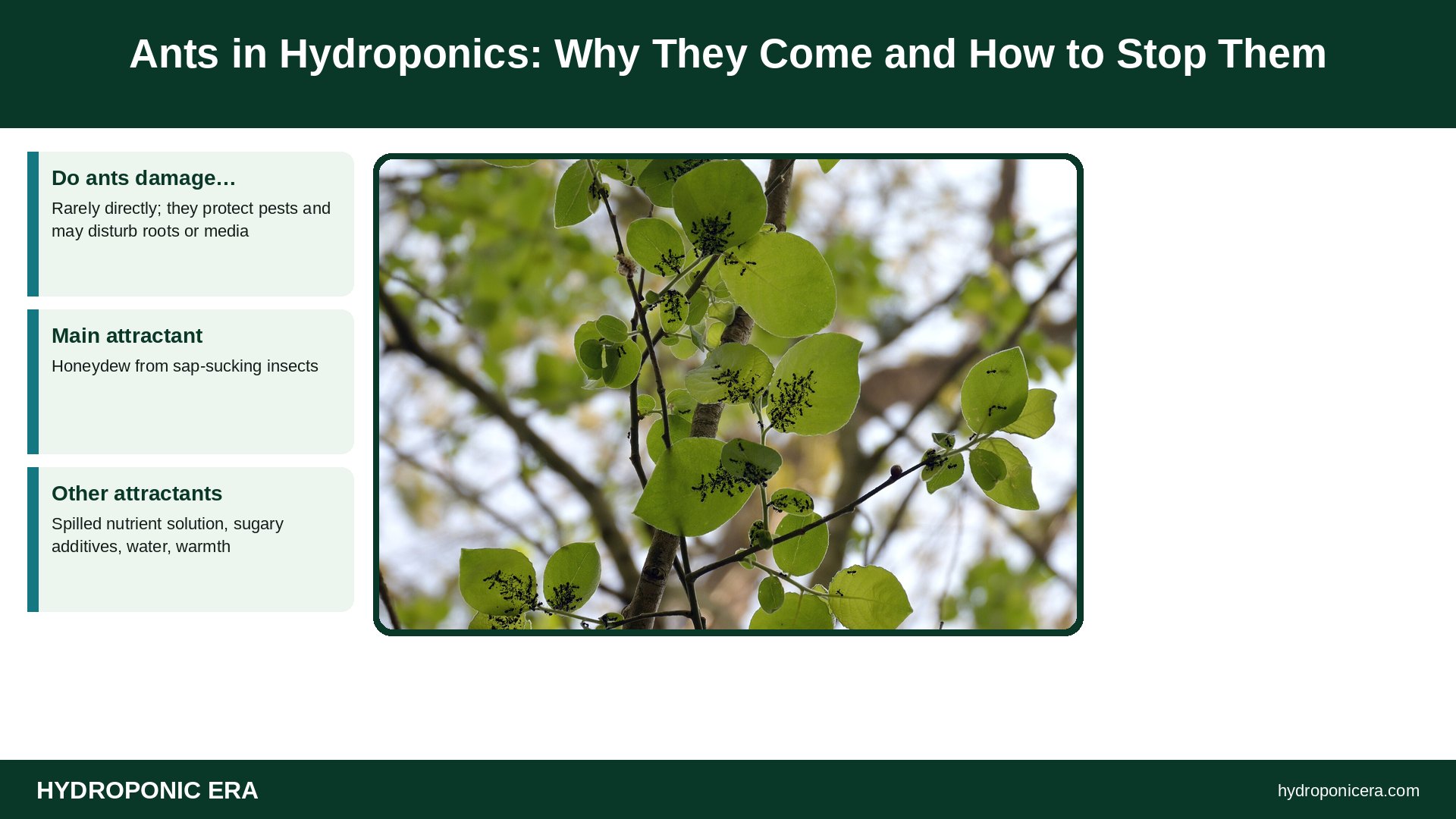
Ants show up in hydroponic gardens for three main reasons: sweet honeydew from aphids, mealybugs, scale, or whiteflies; easy access to water; and warm, sheltered nesting spots under trays, reservoirs, or in grow media. Ants rarely harm hydroponic plants directly, but they protect sap-sucking pests from predators and can nest in clay pebbles or rockwool. To stop them, control the honeydew-producing pests, remove food and water sources, block access with barriers, and use enclosed bait stations away from the reservoir.
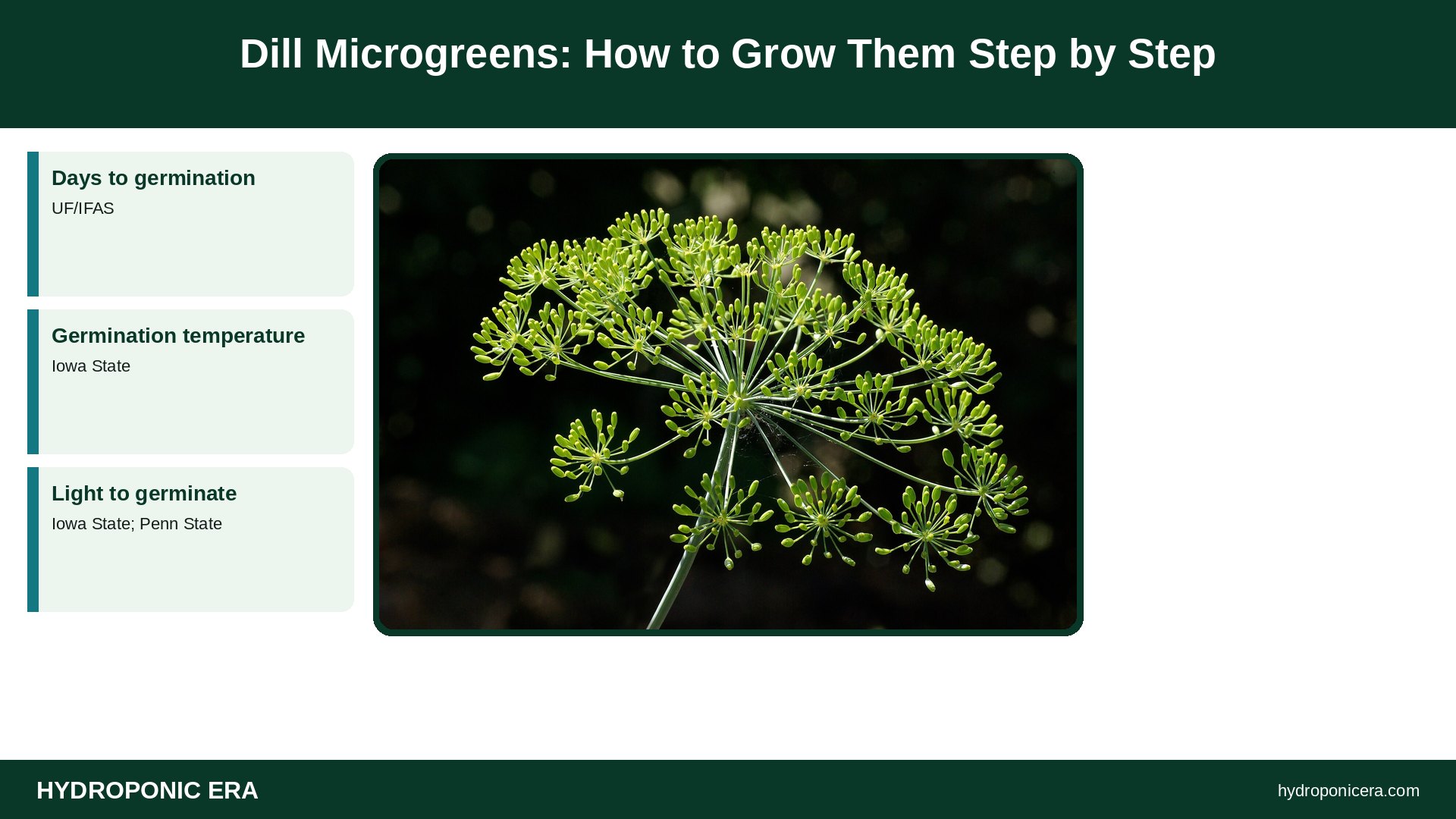
How do you grow dill microgreens? Scatter dill seed on moist, fine potting mix, barely cover it or leave it uncovered because dill needs light to germinate, and keep it at 65–75°F (18–24°C). UF/IFAS lists 7–21 days just to germinate, so dill microgreens are a slow crop: plan on cutting about 2–4 weeks after sowing, once the threadlike seed leaves and first feathery true leaves appear.