growing bulbs in water — Growing Bulbs in Water: Hyacinth, Amaryllis & More

Growing bulbs in water works best with paperwhites, which bloom in about 3 to 5 weeks with no chilling, and with pre-chilled hyacinths in a forcing glass. Keep the water just below the base of the bulb so only the roots drink, start in a cool spot, then move the bulb to bright light once shoots appear. Tulips, daffodils and crocus need 15 or more weeks of cold first.

plants that grow in water — Plants That Grow in Water: 15 Easy Indoor Picks

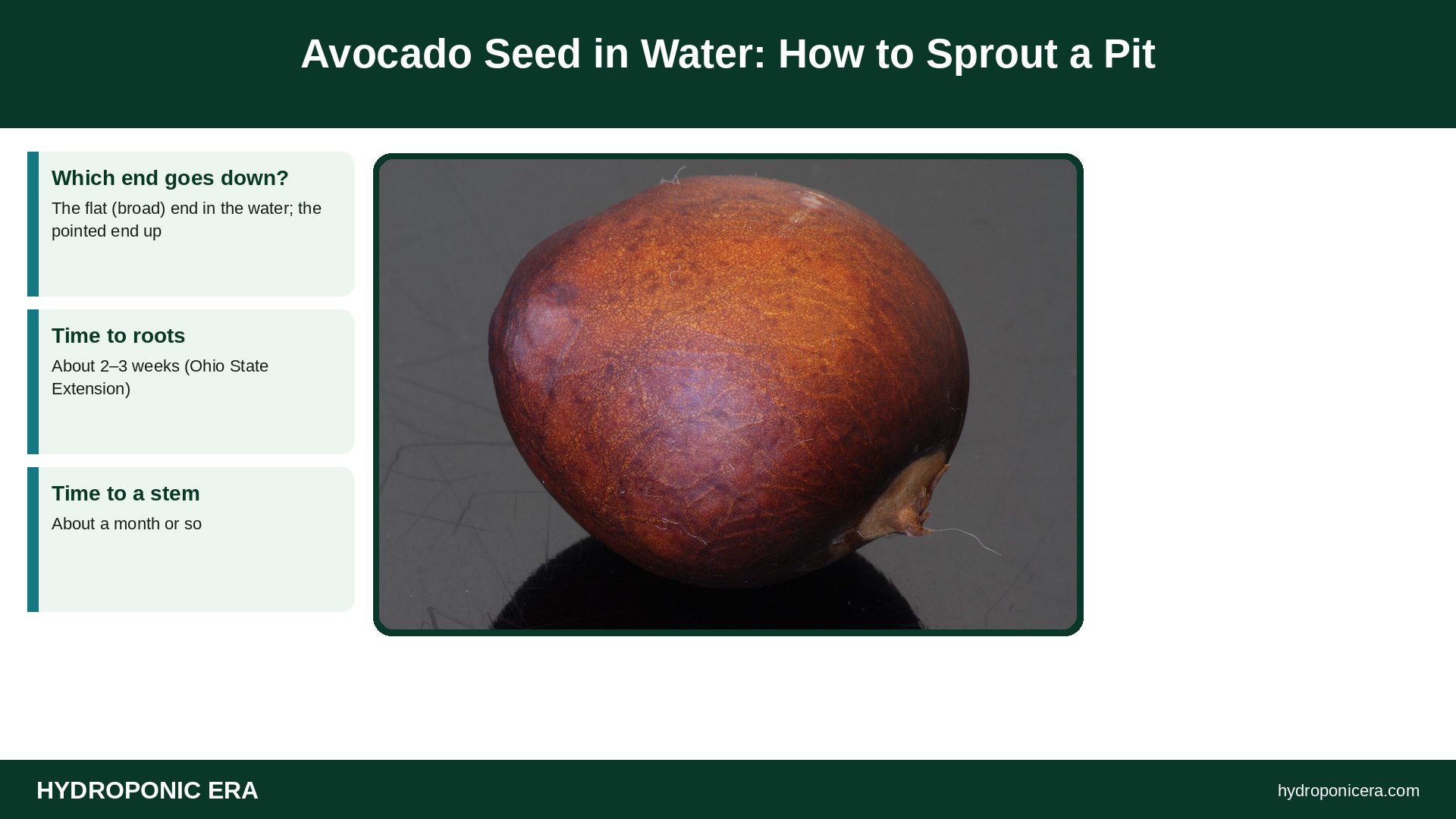
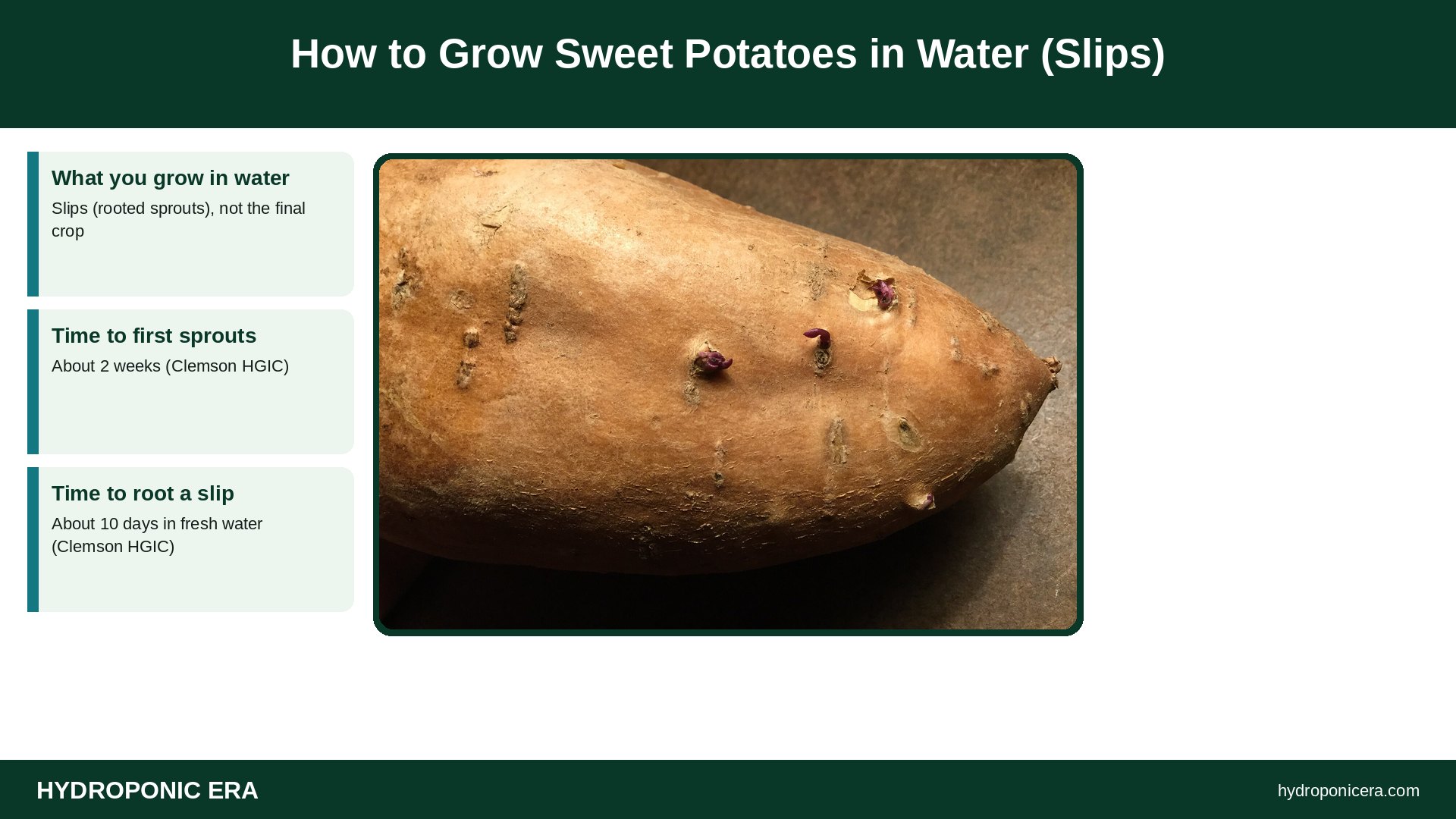
Plants that grow in water include pothos, philodendron, lucky bamboo, spider plant, tradescantia, coleus and English ivy, plus kitchen favorites like green onions, sweet potato slips, avocado pits and pineapple tops. Most need only a clean jar, a node or root zone under water, bright indirect light, fresh water every week and a pinch of fertilizer for long-term growth.

grow potatoes hydroponically — How to Grow Potatoes Hydroponically

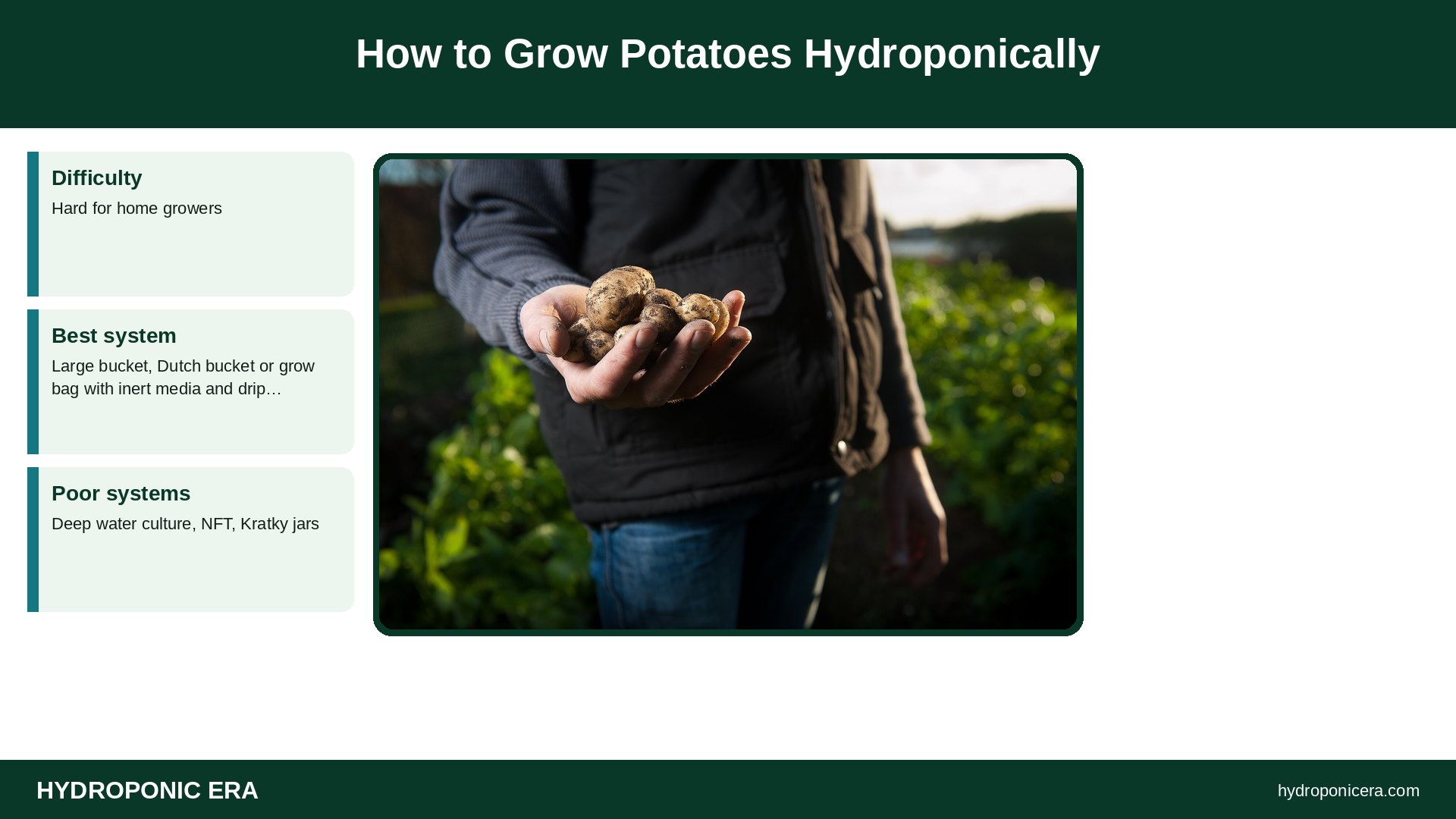
You can grow potatoes hydroponically , but it’s one of the harder home projects. Tubers need a deep, dark, airy root zone, so a bucket or tote of perlite or coco fed by drip works far better than deep water culture or NFT. Start with certified seed potatoes, keep developing tubers away from light, and expect smaller harvests than leafy greens per square foot.

hydroponics in space — Hydroponics in Space: How NASA Grows Food

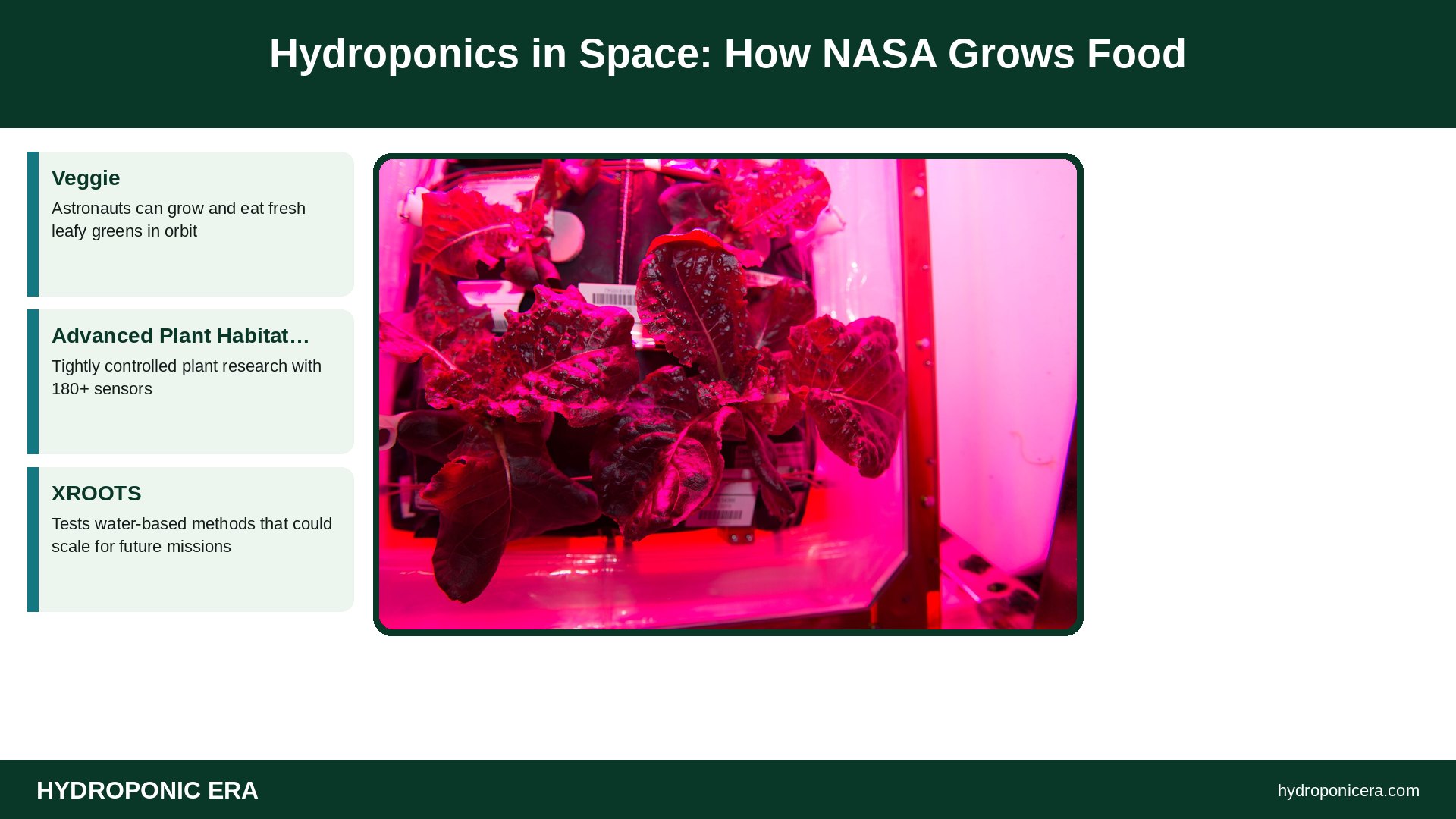
Hydroponics in space works differently than on Earth. NASA’s main station gardens, Veggie and the Advanced Plant Habitat, grow plants in clay-based media that wick water and nutrients to the roots, because loose water forms floating bubbles in microgravity. True water-based hydroponic and aeroponic methods have been tested on the International Space Station with the XROOTS experiment.