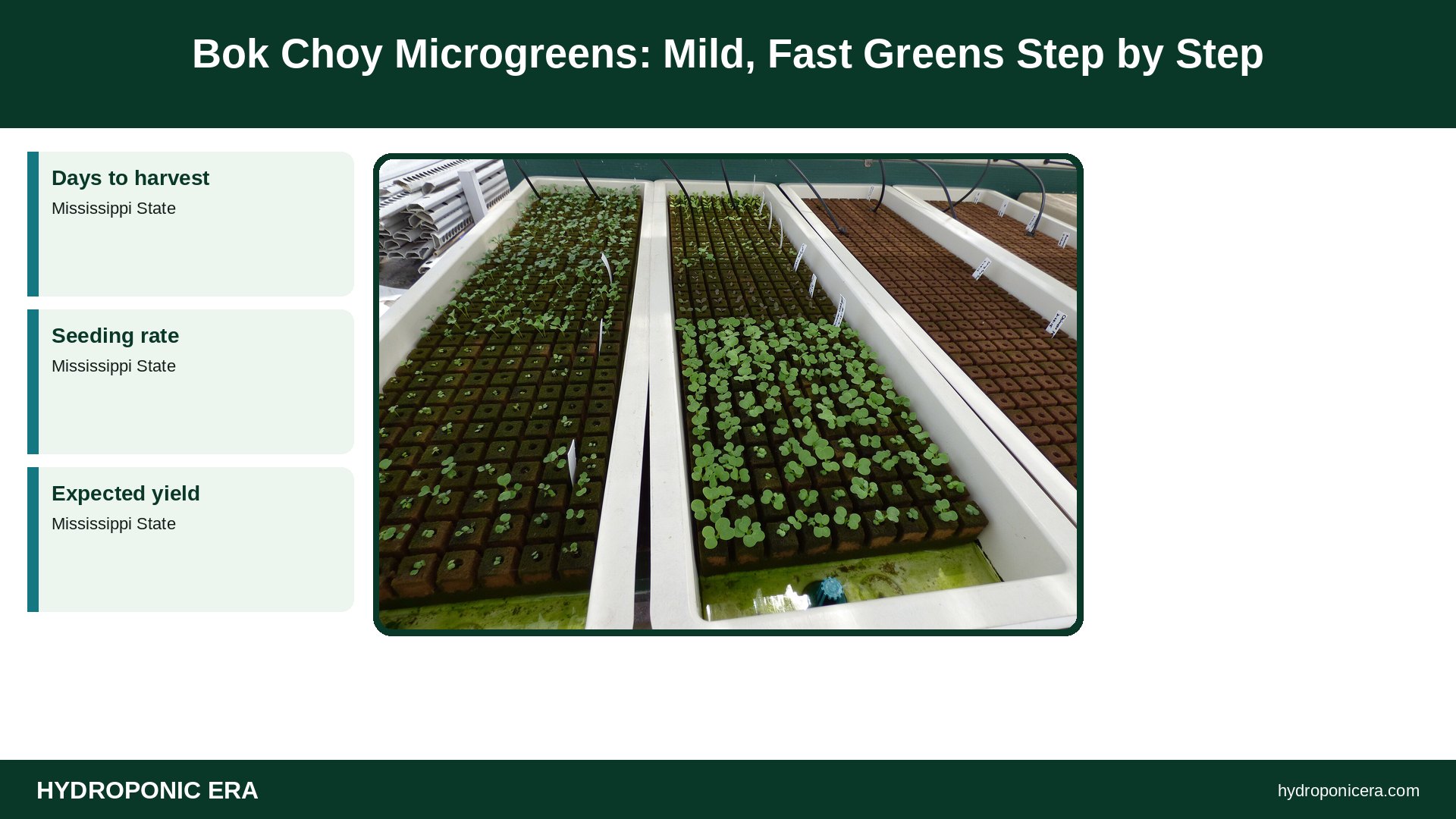
How do you grow bok choy microgreens? Sprinkle 2–3 teaspoons of bok choy (pac choi) seed over a moist 10 × 20 in (25 × 50 cm) tray of peat-based mix, cover until it sprouts, then grow under bright light. Mississippi State Extension says bok choy microgreens are ready in 10–15 days, with a mild flavor and a yield of about 4–6 oz (113–170 g) per tray.
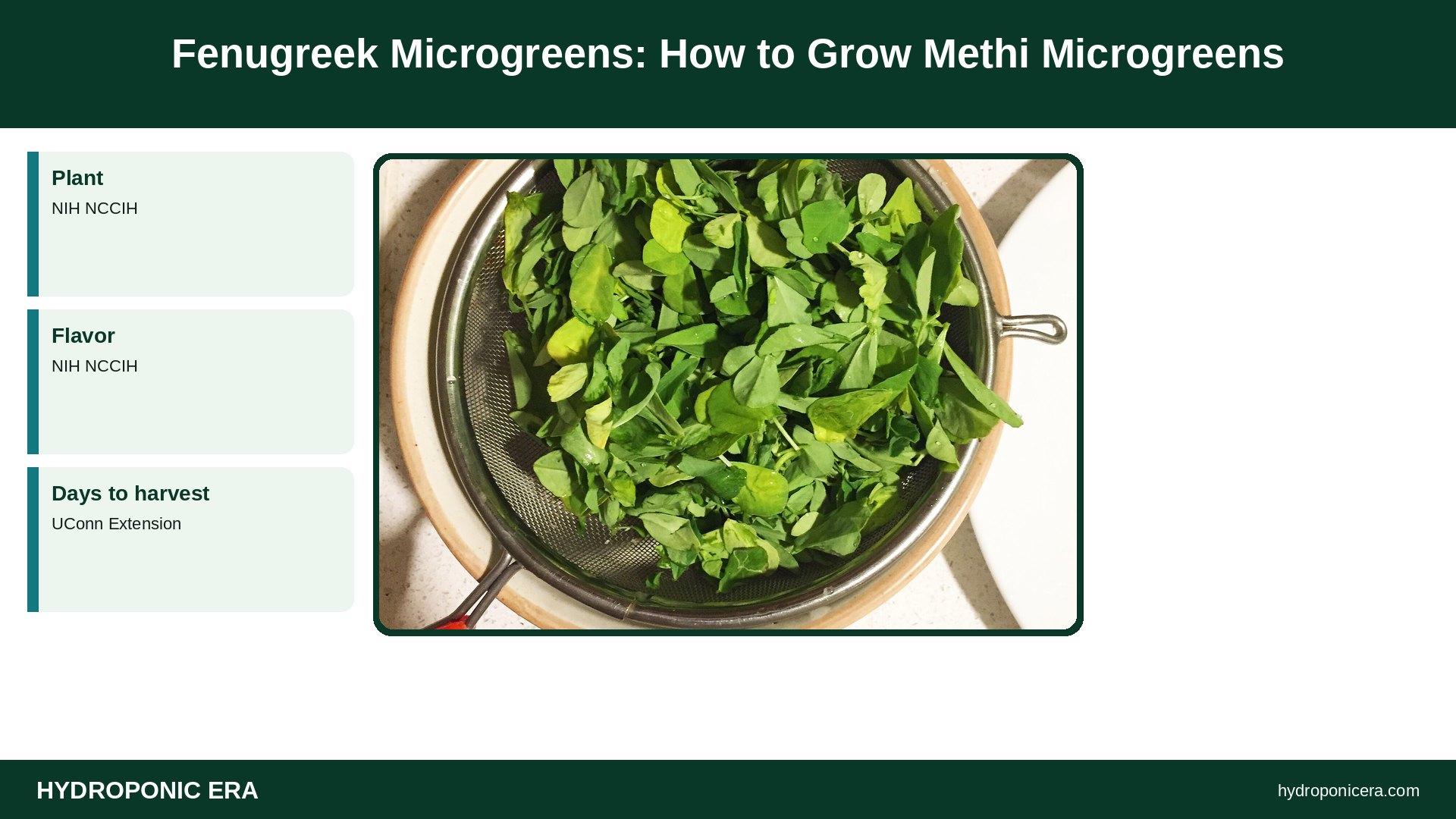
How do you grow fenugreek microgreens? Sow untreated fenugreek (methi) seed densely on moist potting mix or a grow mat, cover until it sprouts, then give 12–16 hours of light and harvest when the first true leaves appear. UConn Extension says most microgreens are ready 7–10 days after sowing. Buy seed from a reputable supplier, since seed is the main food-safety risk.
Are microgreens healthy? Yes. A USDA Agricultural Research Service study of 25 microgreens found they contained, on average, about five times more vitamins and carotenoids than the mature plants, and University of Maryland Extension says they’re higher in vitamins and phytochemicals. Levels vary widely by crop, and like sprouts they carry some food-safety risk, so buy clean seed and handle them carefully.
Can you root hibiscus cuttings in water? Tropical hibiscus can root in water, but extension services root it in a light potting mix with rooting hormone, where University of Minnesota says a good root system forms in 3–5 weeks. For water, use a 3–5 in (8–13 cm) semi-hardwood tip, strip the lower leaves, keep it warm and bright, and change the water every few days.
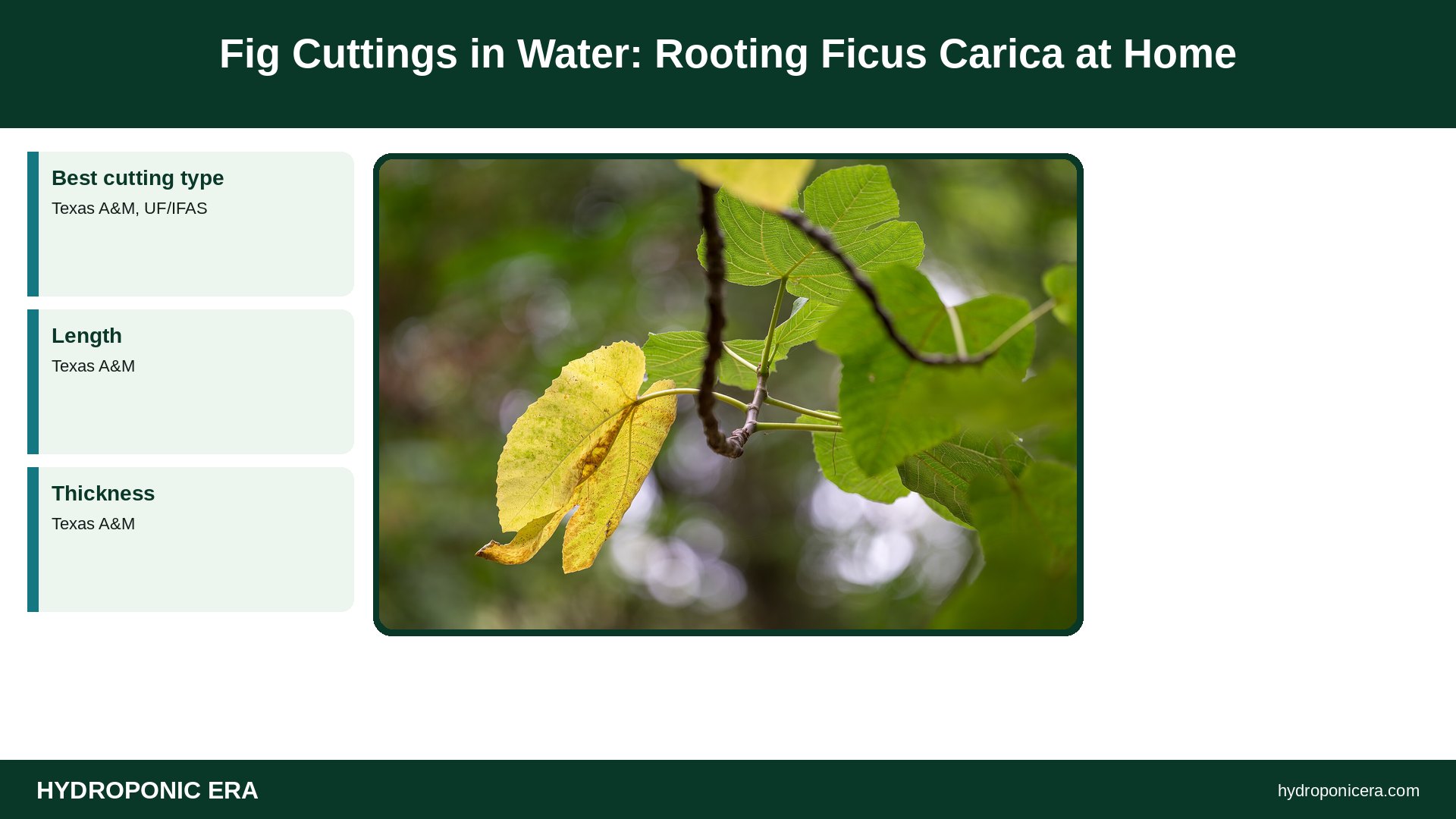
Can you root fig cuttings in water? Some will, but extension services root figs in a moist medium instead. Texas A&M calls figs one of the easiest fruit crops to propagate from dormant hardwood cuttings 6–10 in (15–25 cm) long. For water, stand a callused cutting in 1–2 in (2.5–5 cm) of clean water, change it every few days and pot once roots appear.
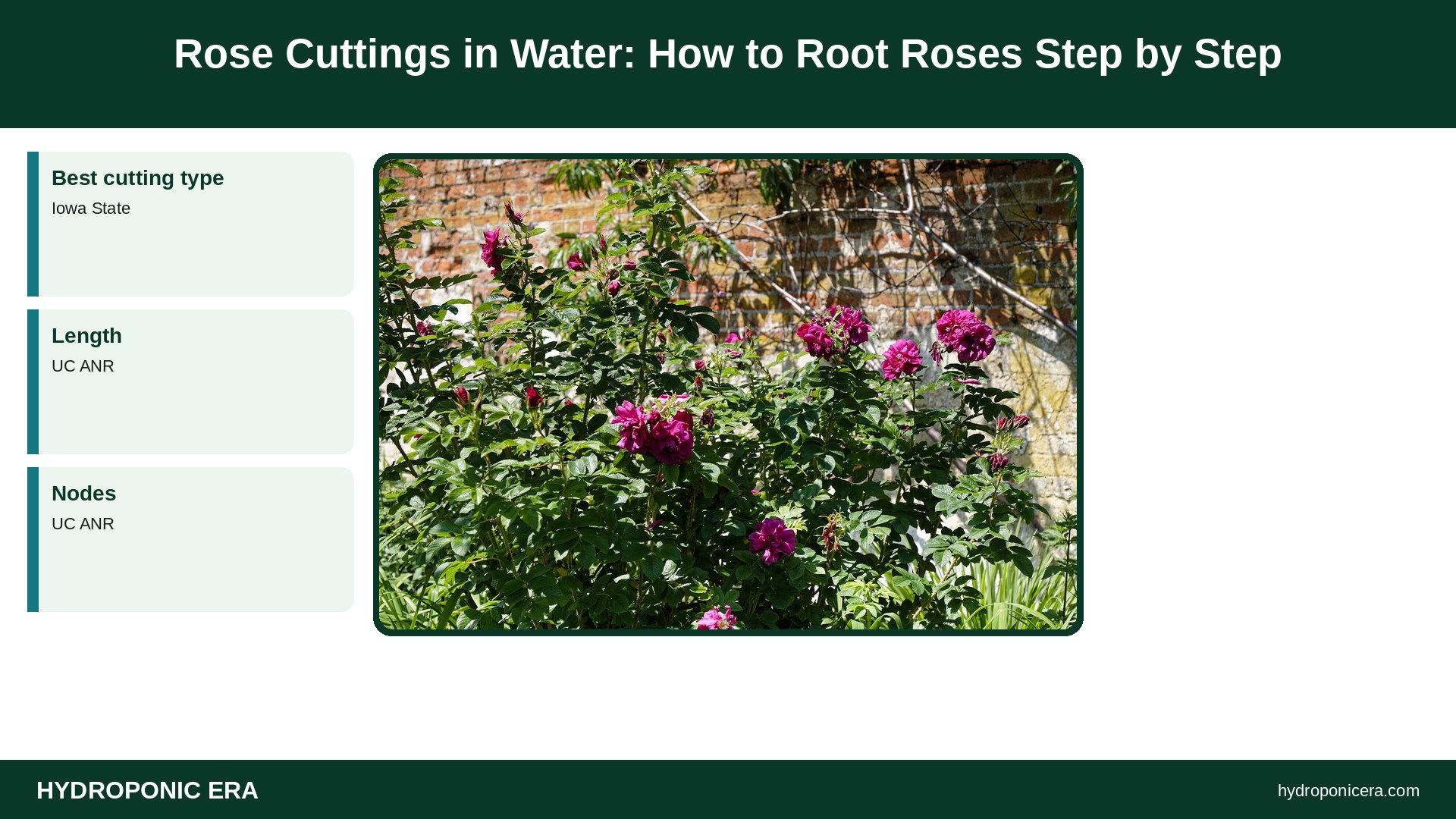
Can you root rose cuttings in water? Sometimes, but it’s the least reliable method. Extension guides from UC and Iowa State root roses in a moist, soilless mix under a humidity cover, where roots form in about 6–8 weeks. If you try water, use a 4–8 in (10–20 cm) current-season stem, keep leaves dry, change the water often and pot once roots appear.
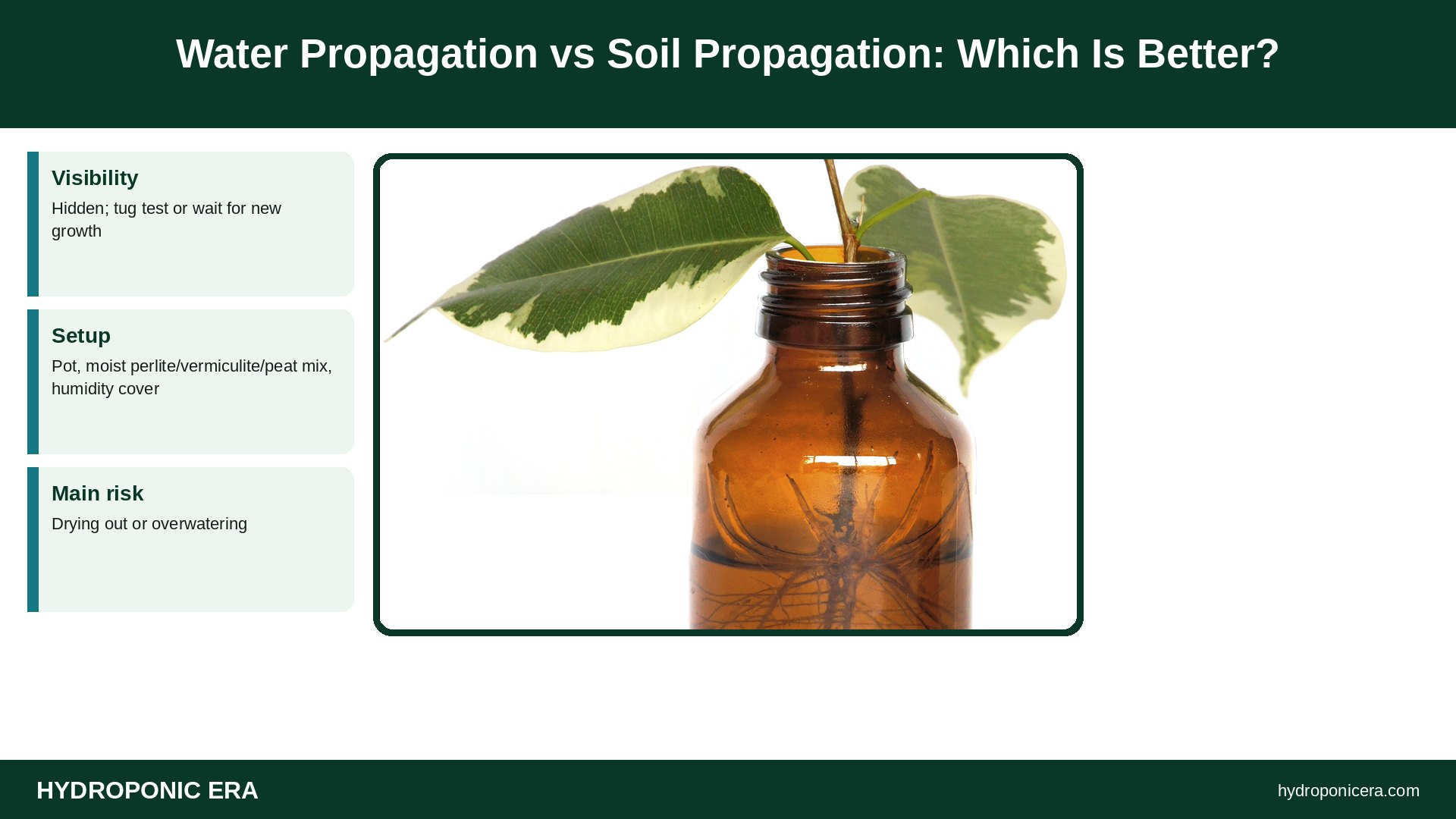
Which is better, water propagation vs soil propagation? It depends on the plant. Water propagation is easy and lets you watch roots form, and University of Maryland lists pothos, philodendron and coleus as easy water rooters. But Illinois Extension warns water roots are often weak and adapt poorly to potting mix, so cuttings bound for pots usually do better rooted in a moist, soilless medium.
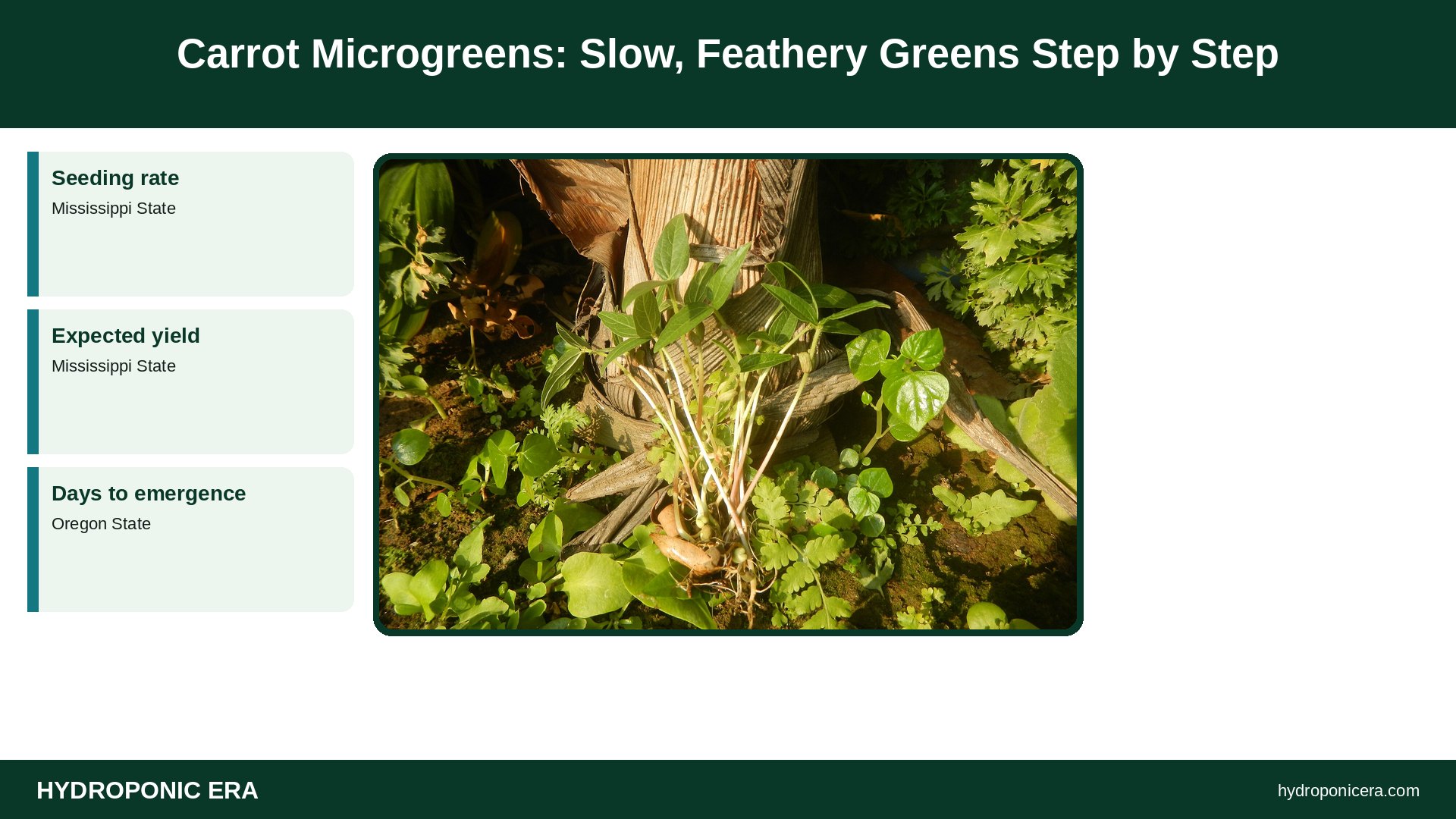
Can you regrow carrot tops in water? Yes, but only the leafy greens. Cut about 1 in (2.5 cm) from the top of a whole carrot, set it cut side down in a shallow dish with 1/2 in (1.3 cm) of water, and clean the dish every 3–4 days. Greens and thin roots appear, but Oregon State Extension confirms no new carrot will grow.
How do you grow carrot microgreens? Sow about 1 teaspoon of carrot seed over a moist tray, keep it at roughly 68–80°F (20–27°C) until seedlings emerge in about a week, then grow under lights and harvest at 14–25 days. Expect a modest 2–3 oz (57–85 g) per tray of feathery, mild carrot-flavored greens.
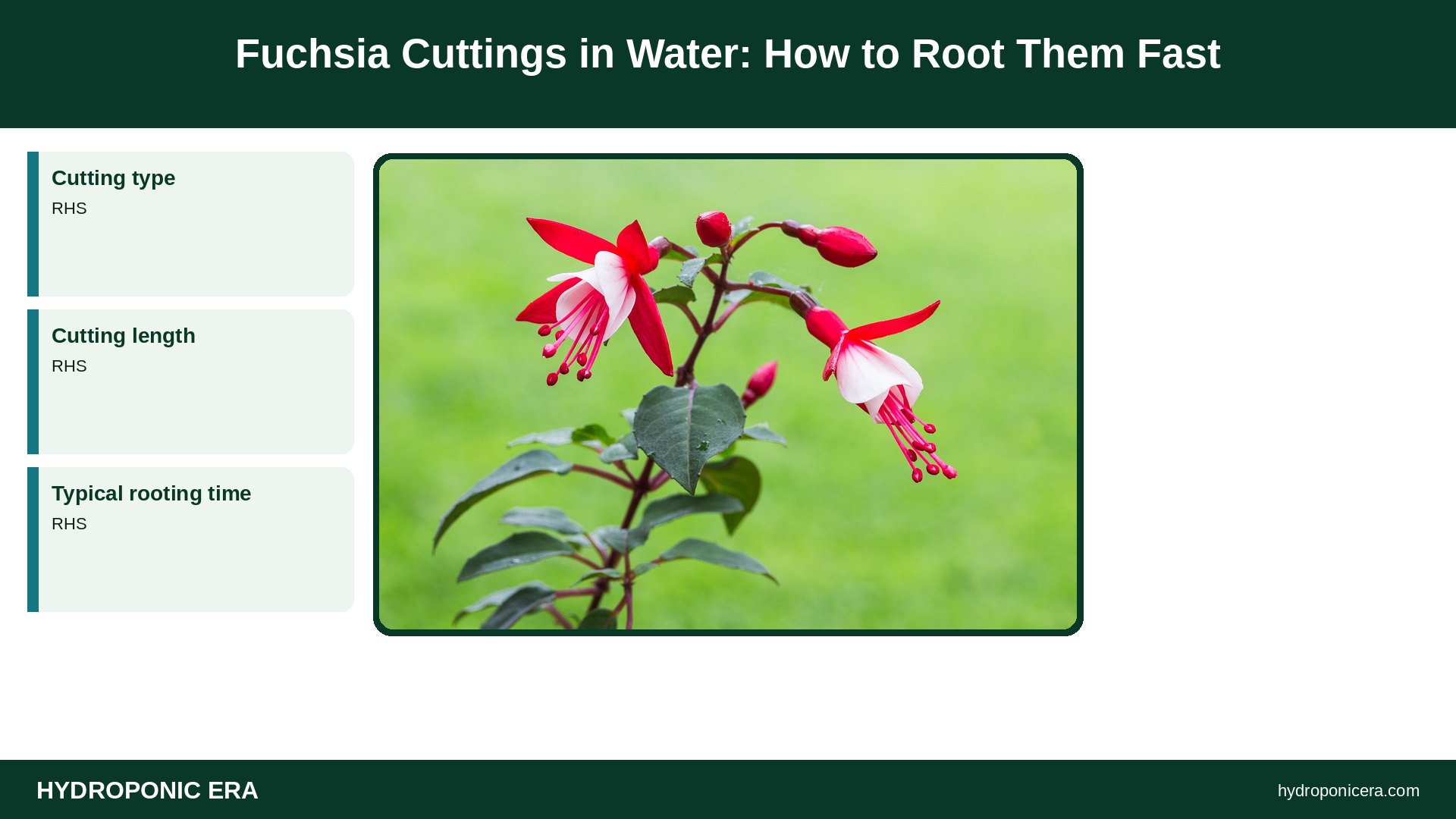
Can you root fuchsia cuttings in water? Yes. The RHS calls rooting fuchsia softwood cuttings in a short vase or jar of water a traditional, generally trouble-free method. Take a soft, non-flowering shoot tip 2–4 in (5–10 cm) long, strip the lower leaves, keep the remaining leaves above water, and pot it once roots reach about 0.4–0.8 in (1–2 cm).