Can you grow a Boston fern in water? A Boston fern in water can live for a while, but it does not root from frond cuttings. The reliable way is to root a runner plantlet or a small division with its crown held above the water line. For long-term growth without soil, semi-hydro in clay pebbles with a weak nutrient solution works better than a plain jar.
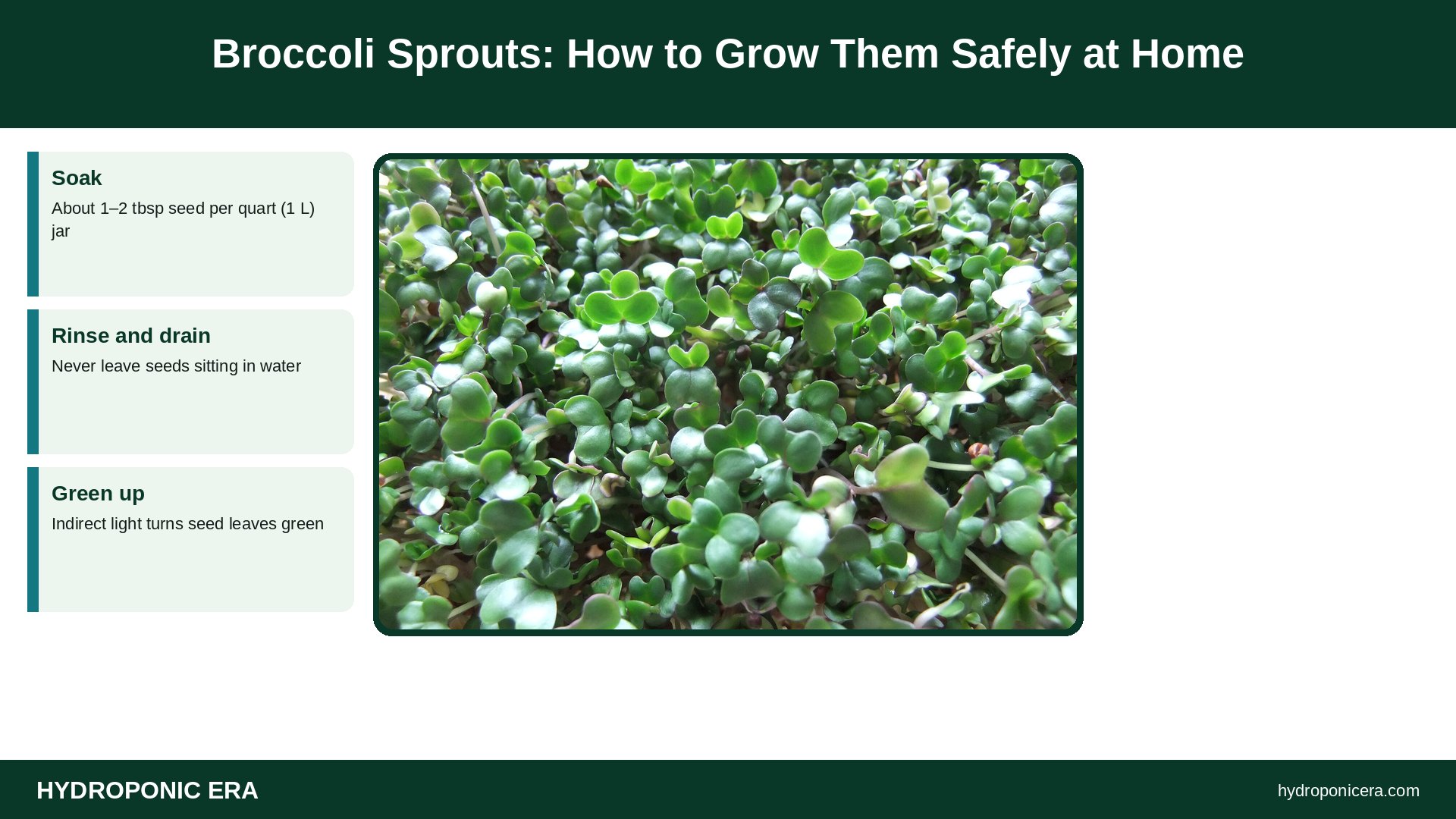
How do you grow broccoli sprouts at home? Soak 1–2 tablespoons of broccoli seed sold for sprouting for 8–12 hours, drain, then rinse and drain twice a day in a jar or tray. Broccoli sprouts are ready in about 3–5 days, when the tiny seed leaves open. Give them indirect light on the last day, then refrigerate.
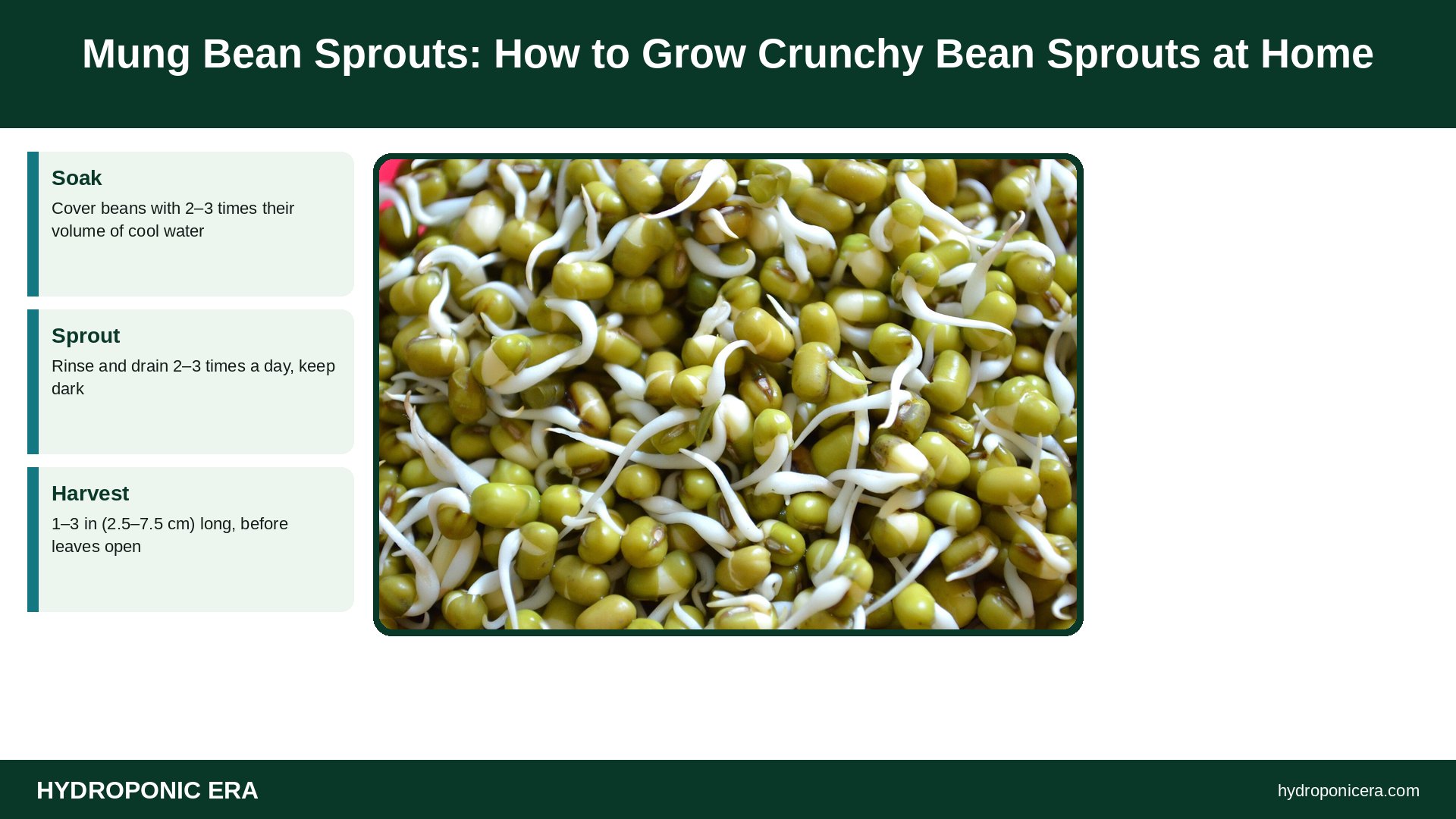
How do you grow mung bean sprouts at home? Soak clean, sprouting-grade mung beans for 8–12 hours, drain them, then rinse and drain two or three times a day in a dark spot at room temperature. Mung bean sprouts are usually ready in 3–5 days, when they are 1–3 inches (2.5–7.5 cm) long. Refrigerate them right away.
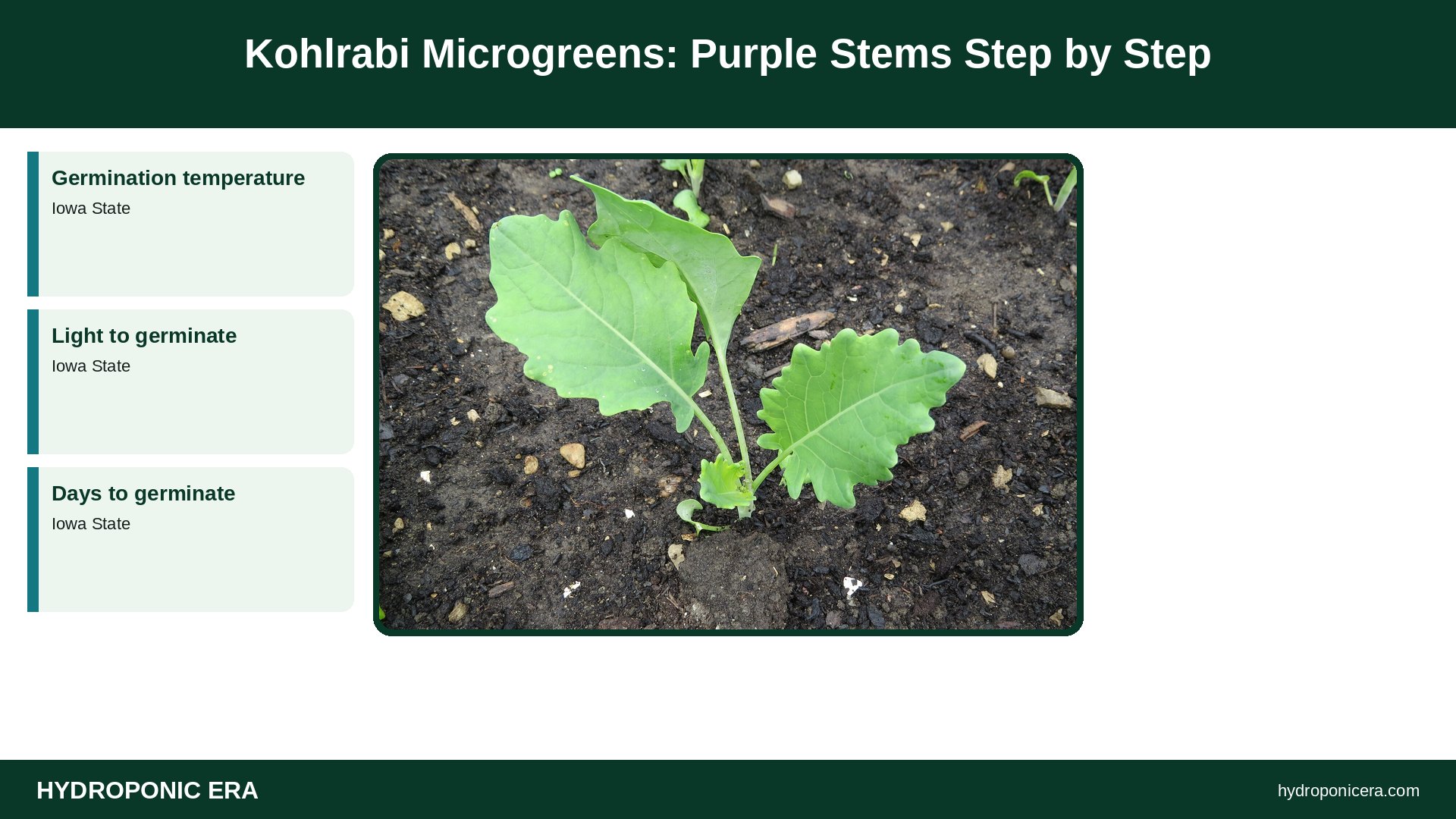
How do you grow kohlrabi microgreens? Sprinkle about 3 tsp of seed over a tray of moist mix or a hydroponic mat, keep it dark at 65–70°F (18–21°C) until it sprouts in 4–7 days, then give about 16 hours of light. Mississippi State harvests kohlrabi microgreens in 10–15 days, yielding 2–4 oz (57–113 g) per tray.
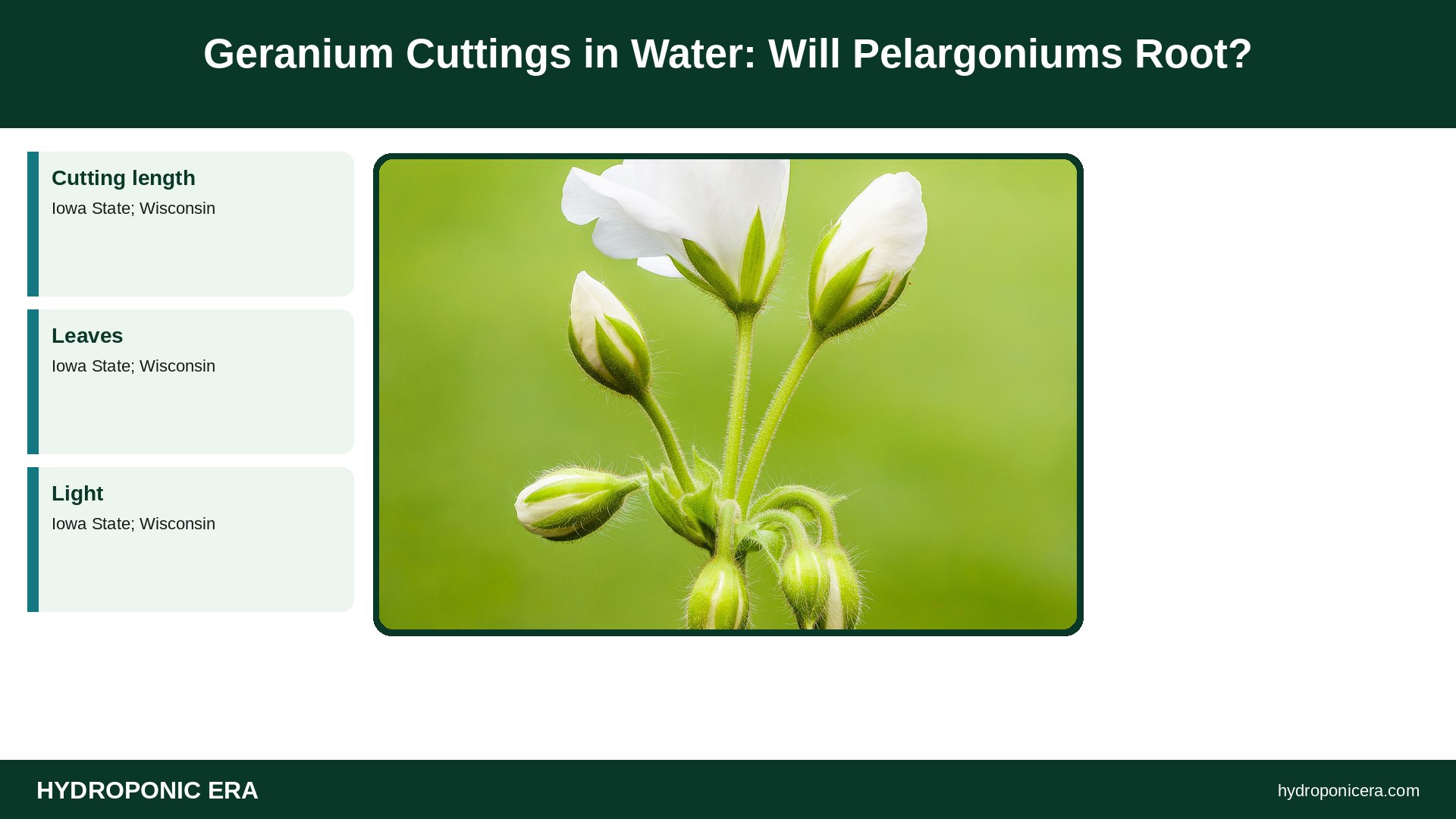
Can you root geranium cuttings in water? Yes, but it’s the less reliable method. Take 3–4 in (8–10 cm) stem tips, strip the lower leaves, stand them in clean water in bright, indirect light and change the water often. Geranium cuttings in water can turn slimy and rot, so Iowa State and Wisconsin Extension recommend a well-drained rooting medium, where cuttings root in about 6–8 weeks.
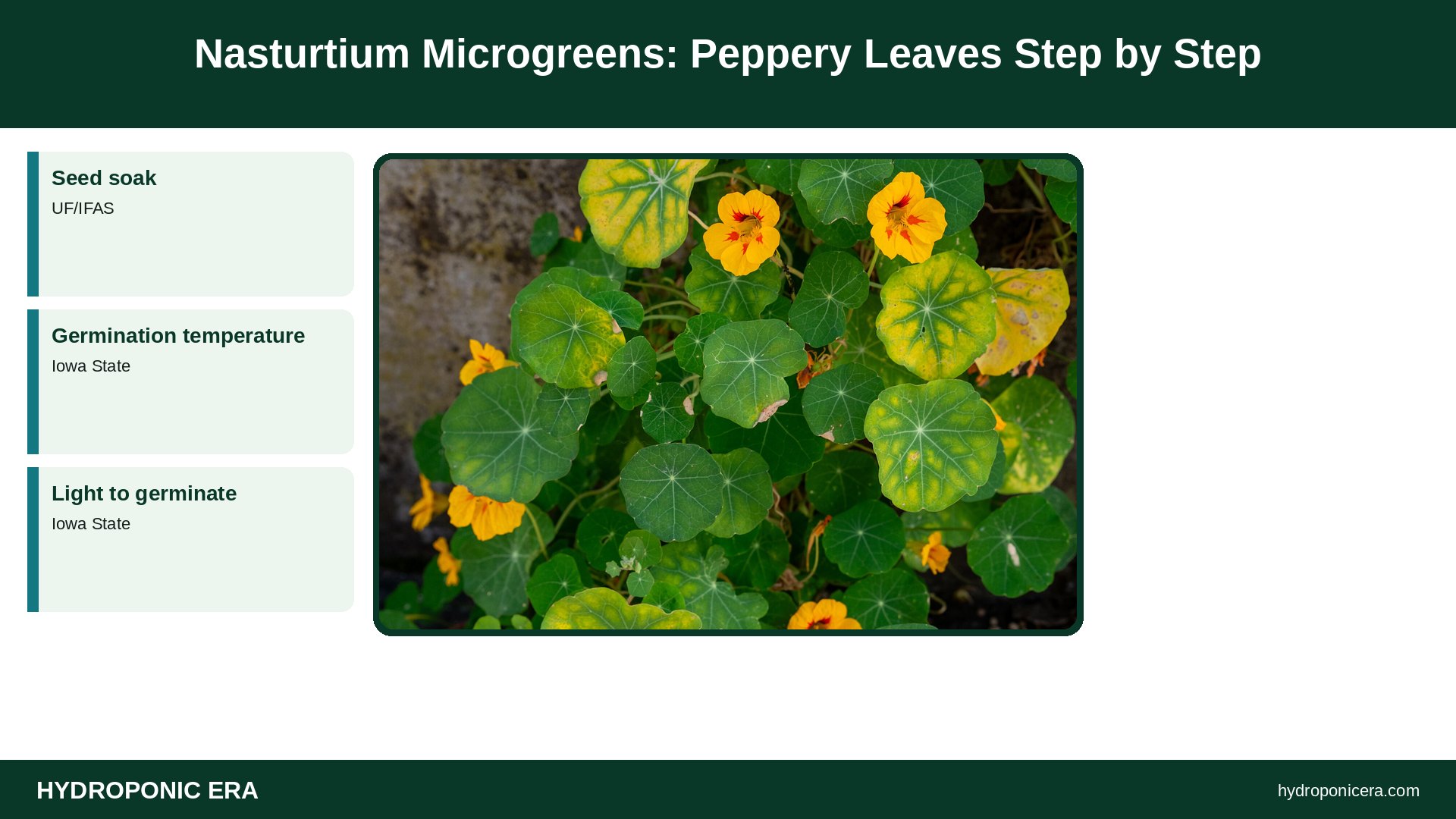
How do you grow nasturtium microgreens? Soak the large seeds about 8 hours, sow them on moist potting mix rather than a mat, cover them in darkness and keep them at 65–70°F (18–21°C). They’re slower than radish or broccoli; Iowa State lists 10–14 days to germinate. Harvest nasturtium microgreens as peppery shoots about 3–5 in (8–13 cm) tall, cutting above the seed.
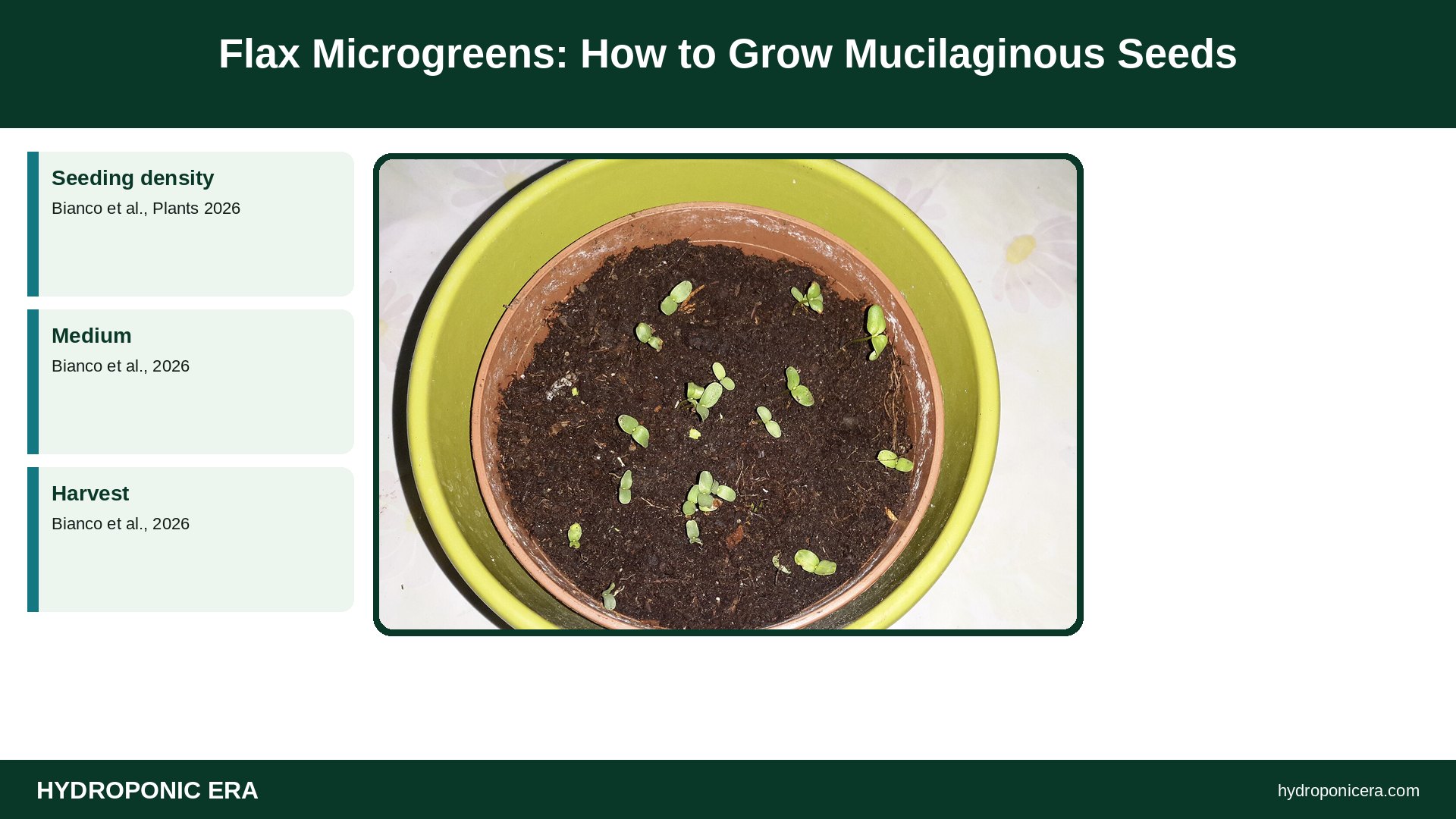
How do you grow flax microgreens? Scatter dry flax seed about 19 per sq in (3 per sq cm) on moist peat mix, mist, cover until it sprouts, then give bright light. A 2026 University of Bari study harvested flax microgreens about 10 days after sowing, at the first true leaves. Don’t soak the seed, and eat flax microgreens sparingly; they contain cyanogenic compounds.
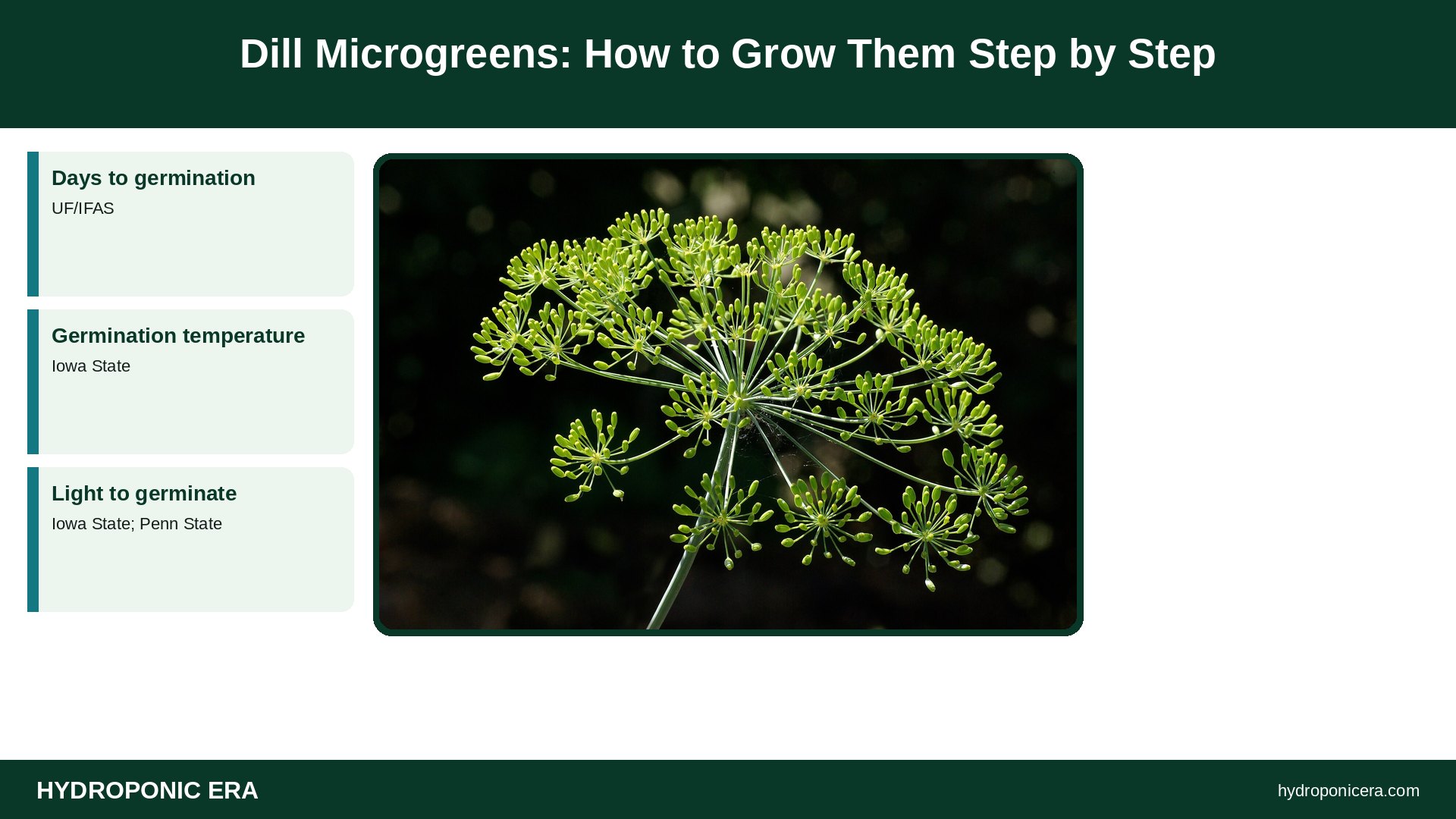
How do you grow dill microgreens? Scatter dill seed on moist, fine potting mix, barely cover it or leave it uncovered because dill needs light to germinate, and keep it at 65–75°F (18–24°C). UF/IFAS lists 7–21 days just to germinate, so dill microgreens are a slow crop: plan on cutting about 2–4 weeks after sowing, once the threadlike seed leaves and first feathery true leaves appear.
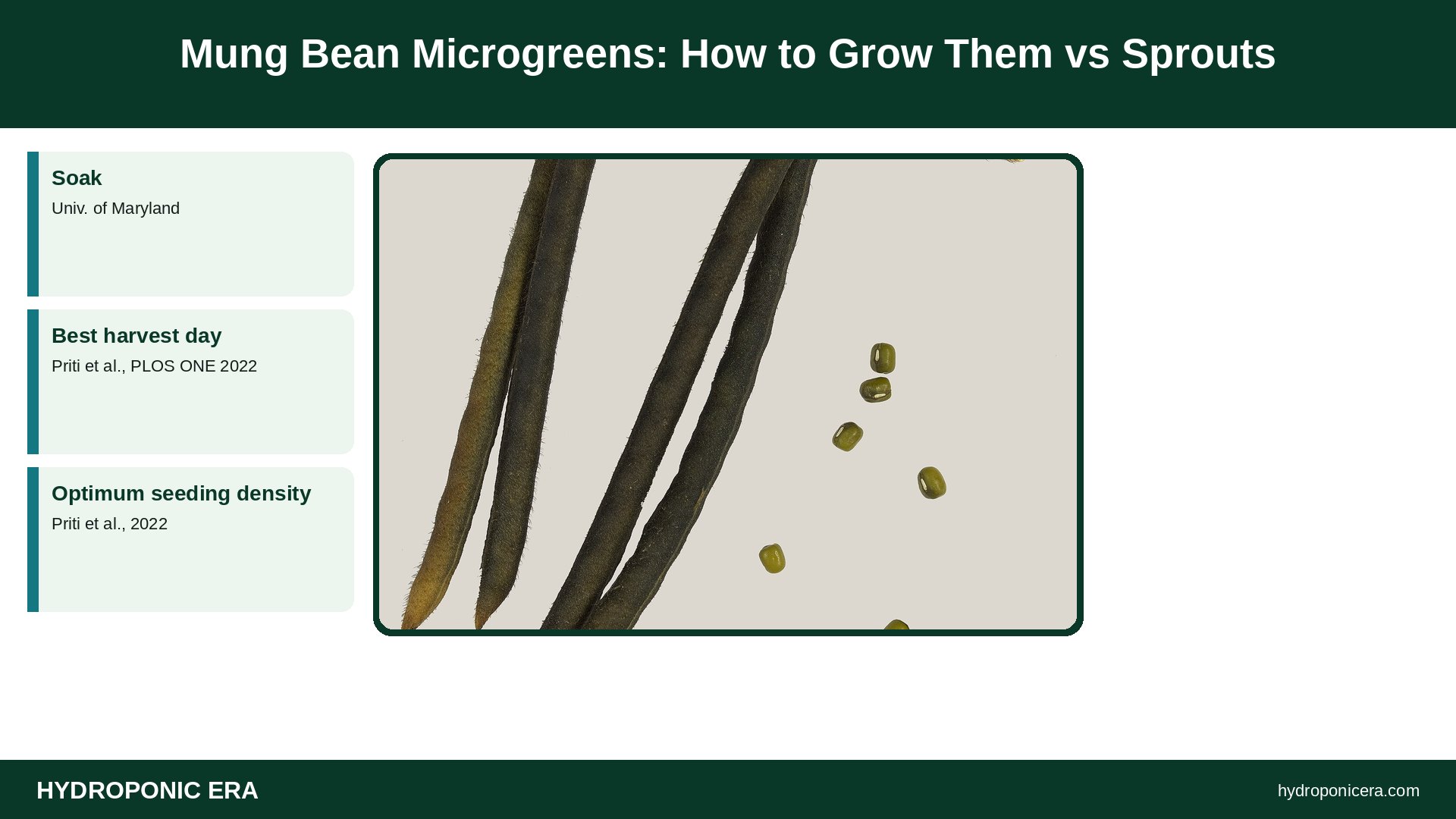
How do you grow mung bean microgreens? Soak mung beans 6–12 hours, as University of Maryland Extension advises, then sow about 3 seeds per sq cm (roughly 19 per sq in) on moist media, cover until rooted and give bright light. A 2022 PLOS ONE study found mung bean microgreens were best harvested on day 7 after sowing, the fastest of the crops it tested.
How do you grow lentil microgreens? Soak whole lentils, sow them about 3 seeds per sq cm (roughly 19 per sq in) on moist media, keep them covered until they sprout, then give bright light. A 2022 Indian greenhouse study found lentil microgreens were best harvested on day 9 after sowing. They’re mild, crunchy and cheap, but use whole, untreated lentils, not split ones.