
Quick Answer
Selling hydroponic seedlings and starter plants turns propagation into a product: timed germination, sturdy plugs, honest variety labels, and customer transplant success. Buyers remember the plants that survive the first week at home—not the ones that looked perfect for five minutes on a table.
See germination, transplanting, selling locally, and Oasis cubes.
Key Takeaways
- UMN seed-starting and NC State propagation guidance emphasize healthy starts: moisture, light after emergence, sanitation.
- Harden plants to customer conditions when moving from dome/tent to market day.
- Label variety and sow date; mystery plants create support burden.
- Price for plug quality and rarity—not only tray density.
- Hydroponic plugs need clear customer instructions for soil or hydro transplant.
- Reject leggy or diseased plants from sale inventory (see leggy seedlings guide).
- Stagger sow dates so you are not feast/famine on market weeks.
- Food crops sold as starts still deserve clean handling habits.
Related HydroponicEra guides
Selling Hydroponic Seedlings: Product Standards for Starter Plants

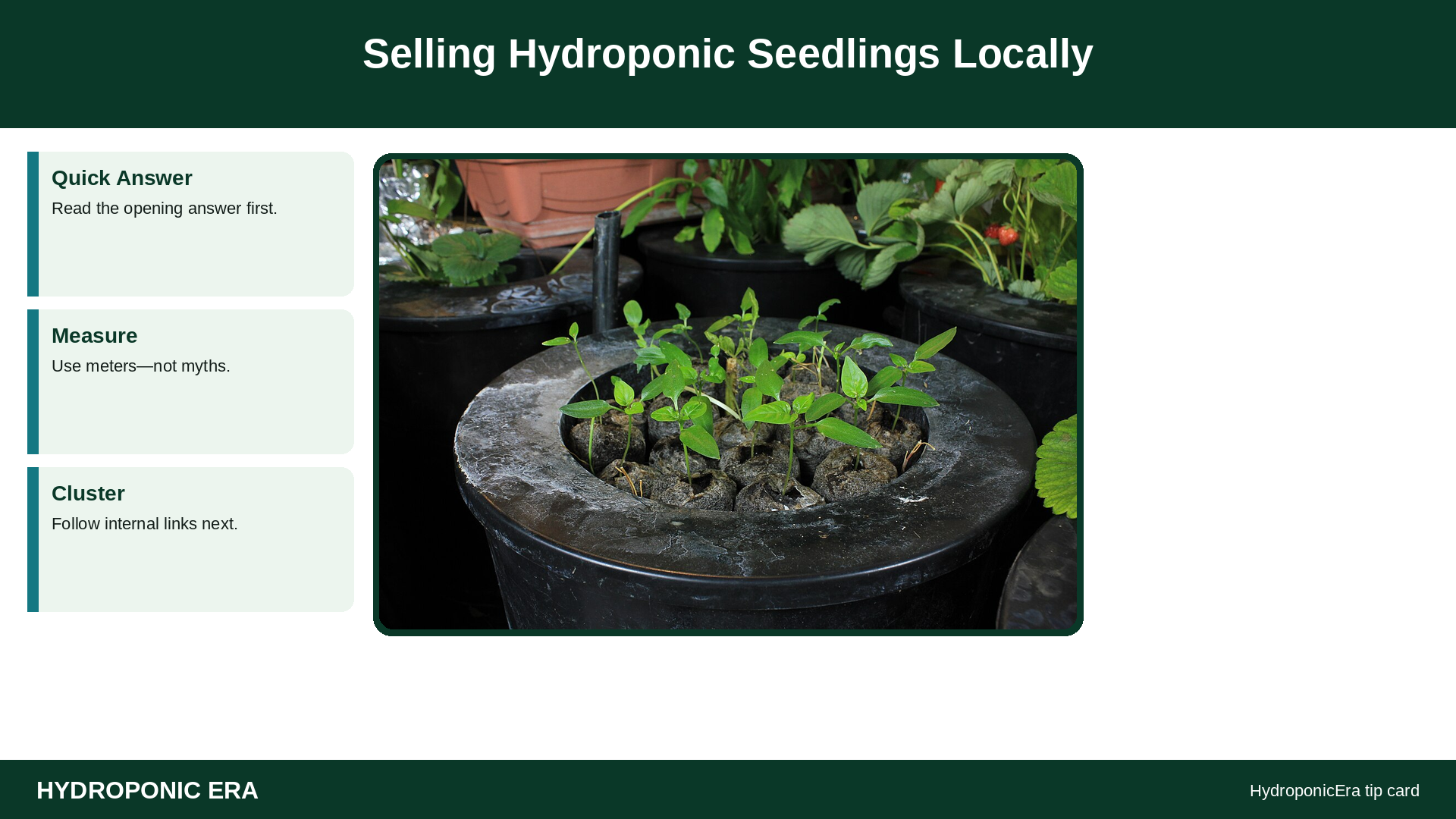
Sale-ready starts generally show: true leaves, roots binding the plug, no pests, no collapse disease, and proportions that are not Extreme Stretch. Extension seed-starting materials focus on those fundamentals regardless of whether the plug later goes to soil or hydro.
Teach customers the first 72 hours: light, watering, and whether to wash fertilizer salts if moving media types (transplanting).
Selling Hydroponic Seedlings: Propagation-to-Sale Workflow

- Pick varieties with local demand (culinary herbs, easy greens).
- Sow on a calendar aimed at market dates.
- Use clean trays/domes; sanitize between batches.
- Provide strong light post-emergence to avoid legginess.
- Cull early—do not sell the bottom third quality.
- Harden: more airflow, slightly less pampering humidity.
- Pack to prevent crush; keep cool on the way to market.
- Include a card: variety, sun/light need, transplant tip.
- Collect feedback next week—what died and why.
- Adjust sow dates from real sell-through notes.
Selling Hydroponic Seedlings: Hydro Plug vs Soil Customer Paths
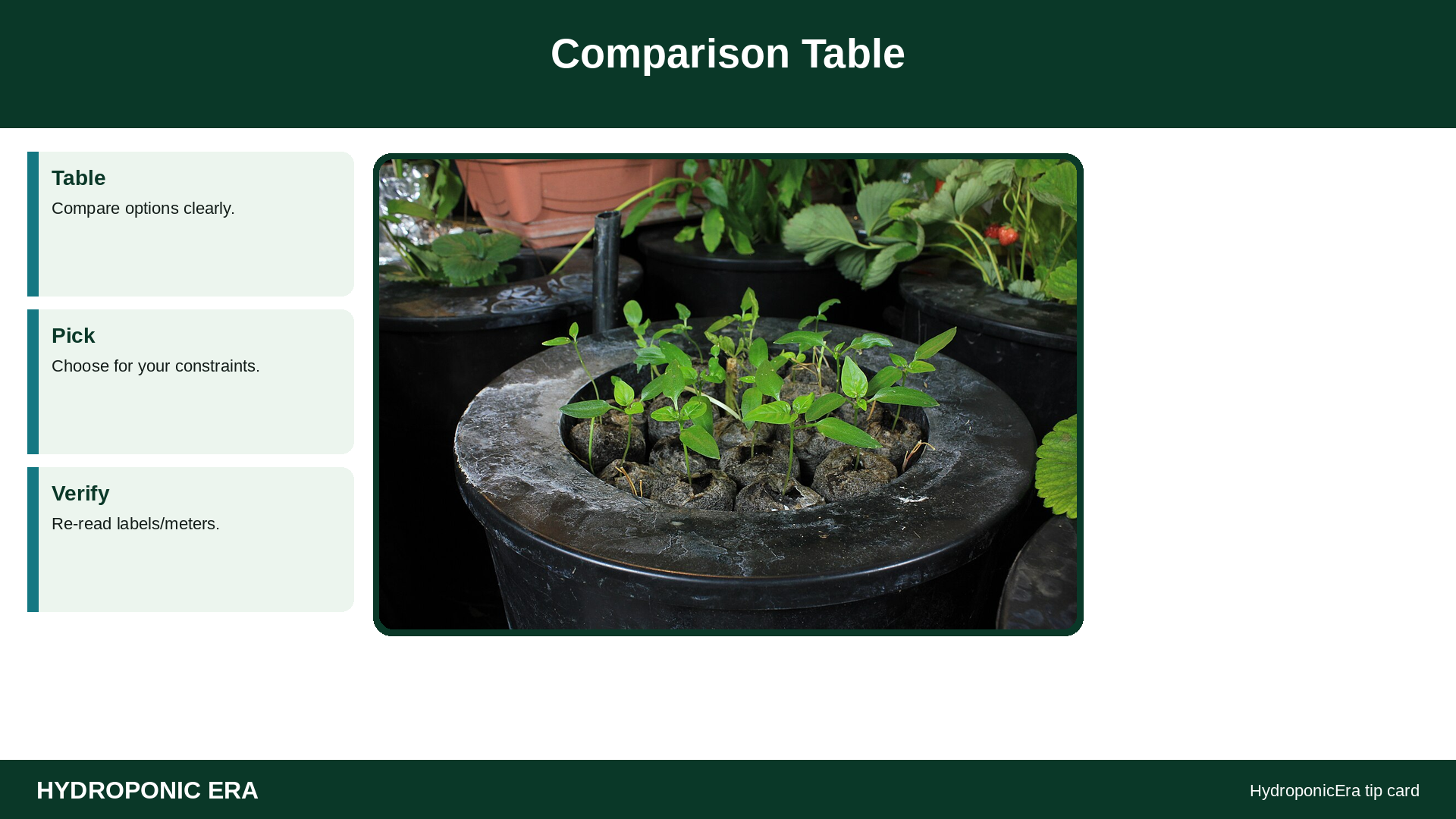
| Customer path | Instruction focus | Risk |
|---|---|---|
| Into home hydro | EC/pH gentle; net pot fit | Overfeeding babies |
| Into soil/containers | Tease roots gently; keep moist | Planting too deep / drying |
Media guides (Oasis, rockwool) help you explain plugs without overwhelming buyers.
Selling Hydroponic Seedlings: Common Mistakes
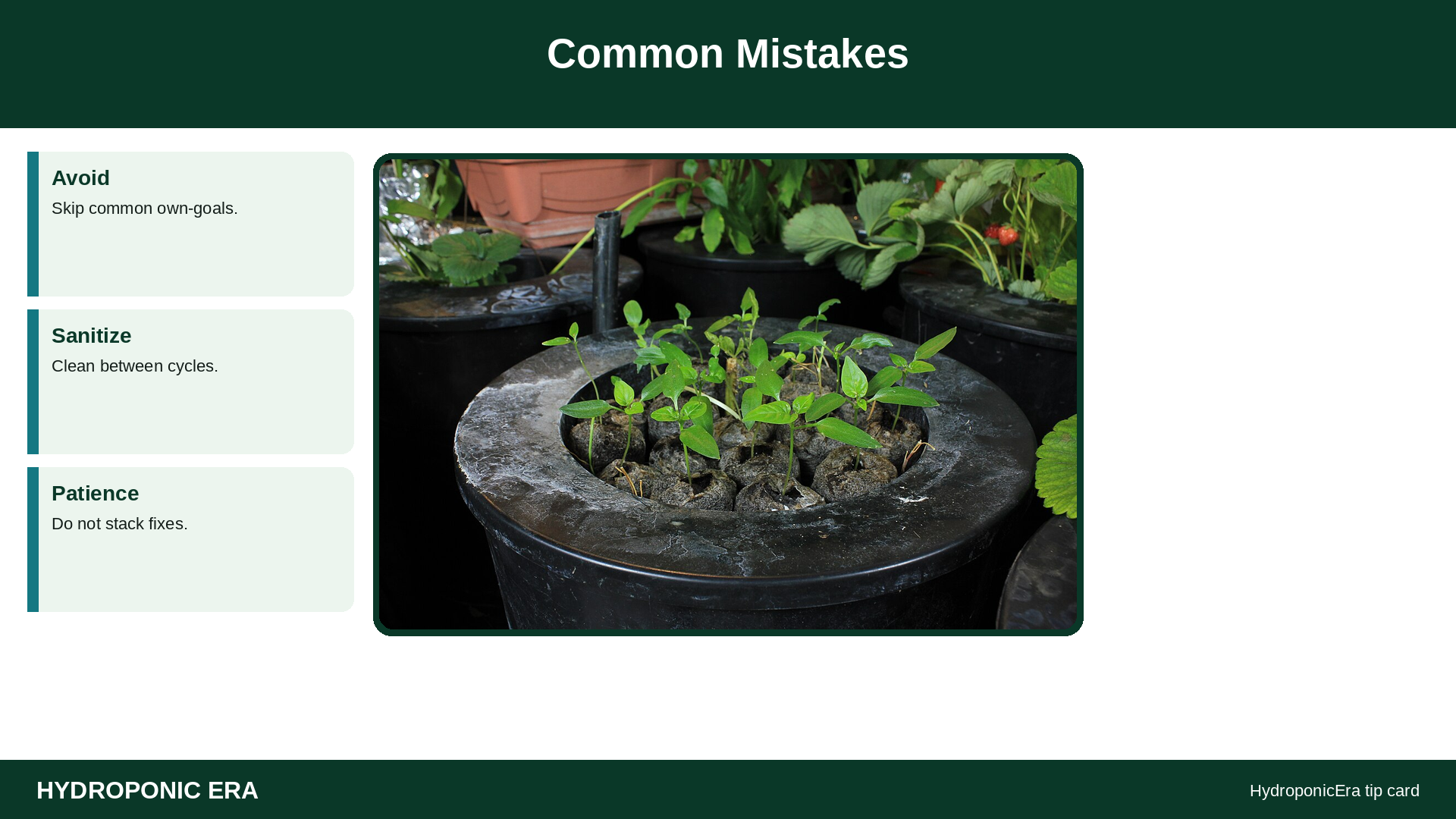
- Selling unrooted or half-germinated plugs
- No labels
- Market table in full sun cooking trays
- One giant sow date
- Ignoring aphids until customer texts photos
- Promising “never dies”
Selling Hydroponic Seedlings: Troubleshooting Returns and Complaints

| Complaint | Likely | Response |
|---|---|---|
| Died in 3 days | Shock / underwater / heat | Improve card; harden better |
| Pasty white fuzz | Damping-off / algae | Cull harder; sanitation |
| Wrong variety | Label mixup | Process fix; make good |
What to Check Before Market Day for Starts
- Roots binding plugs?
- Labels accurate?
- Leggy plants culled?
- Instruction cards printed?
- Transport heat plan?
- Pest inspection done?
- Staggered inventory for next week?
- Payment and price clear per plant/tray?
FAQs
Can I sell hydroponic starts to soil gardeners?
Yes—many adapt well if transplant instructions are clear.
What age to sell?
When sturdy—not merely sprouted. Species differ.
Need a nursery license?
Ask local agriculture/department rules—varies widely.
How to prevent stretch on the table?
Shade cloth, shorter display times, strong prior lighting.
Include fertilizer?
Optional sample packets; do not overdose gifts.
Next?
Crop planning calendar and packaging pages.
Starter-Plant QA and Customer Aftercare Cards

Build a cull table: any plug with fungus gnat larvae parties, collapsed stems, severe stretch, or mystery chew marks goes to compost—not the sale tray. Your brand is what survives week one in customer homes (leggy, germination).
Aftercare card template: variety | light need (window vs LED) | first-week watering | hydro vs soil tip | your contact. One card per wrap band. NC State propagation and UMN seed-starting literacy show up here as practical teaching, not citations for show.
Harden protocol: three days of stronger airflow and slightly less pampering humidity before market. Dome queens die on breezy porches. Align with transplanting guidance.
Original inventory kanban: Germ → Nursery → Harden → Sale → Cull. Move trays as objects. Overgrown leftover starts become personal transplants or compost—do not perpetual-sale woody, rootbound leftovers without refreshing.
Pricing: charge for sturdy, labeled, pest-free plants. Ultra-cheap trays signal ultra-cheap care. Track sell-through like produce (selling).
Practice: text three prior buyers on day five—“still happy?”—and log failure modes. Fix the top mode next sow. Media explainers (Oasis, rockwool) reduce transplant confusion.
Legal note: nursery licensing differs by place—ask; do not assume produce-market rules cover live plants.
Variety discipline: sell what you can pronounce and support. Rare peppers are fun until twenty customers ask conflicting care questions you cannot answer. Keep a short list aligned with herbs and easy greens demand.
Pest quarantine: new seed stock and returned plants (if you ever take returns) stay off the sale bench until inspected. Aphids hitchhike faster than refunds heal reputation.
Seasonal waves: spring demand spikes; do not sow your entire summer inventory on one panic weekend. Stagger like the crop planning calendar teaches, even for plugs.
Transplant kits (optional): pair a seedling with a net pot or simple instruction QR to your transplanting guide (transplanting). Helpful extras beat mystery free chemical samples.
Practice metric: track percent of starts sold vs culled for two months. If cull rate is high, fix germination climate before buying more seed (germination, heat mats article).
Money note: factor tray inserts and dome amortization into price so “cheap starts” do not quietly lose money (costs).
Display height and watering at market: trays dry fast outdoors. Bring a bottle for plugs and check midday. Wilted starts sold as “fine” become negative reviews. Pull product that cannot recover before customers arrive (wilting awareness).
Batch codes: a small stamp for sow week helps when a customer returns with a photo three weeks later. You will know which climate batch to investigate. Combine with your germination log (germination).
Companion selling: a seedling plus a simple net pot and clay pebble sample can raise ticket size without complex kits—keep instructions aligned with transplanting and Oasis guides.
Warranty posture: a simple “if it arrives damaged, contact within 48 hours” note beats vague lifetime promises. Document replacements. Most failures after day three are customer environment issues—use aftercare cards to prevent them (transplanting, leggy).
Keep a photo of each sale batch on your phone with the date; it resolves “which plant was that?” debates quickly (germination).
Selling Hydroponic Seedlings: Practical Checklist
Selling Hydroponic Seedlings matters every week in a home system. Recheck selling hydroponic seedlings after transplants, heat spikes, and canopy fill-in. Strong selling hydroponic seedlings habits beat one-time guesses. When selling hydroponic seedlings drifts, leaves crowd, roots stress, or harvest quality drops. Write selling hydroponic seedlings targets into your log so you do not rely on memory. Teach helpers your selling hydroponic seedlings checklist before you leave town. Improve selling hydroponic seedlings in small steps—measure, adjust, then wait a day.
Sources
- University of Minnesota Extension — Starting seeds indoors
- NC State Extension — Propagation (Extension Gardener Handbook Ch. 13)
- University of Florida IFAS — HS1421: Growing Herbs in Small Hydroponic Systems
- Oklahoma State University Extension — Hydroponics
- University of Georgia Extension — B1314: Soilless Growing Media
- Penn State Extension — Hydroponics Systems and Principles of Plant Nutrition
- Ohio State University Extension — ANR-25 Direct Marketing
- Michigan State University Extension — Hydroponics as an agricultural production system
1 thought on “Selling Hydroponic Seedlings and Starter Plants Locally”