distilled water — Distilled Water for Hydroponics: When It Helps

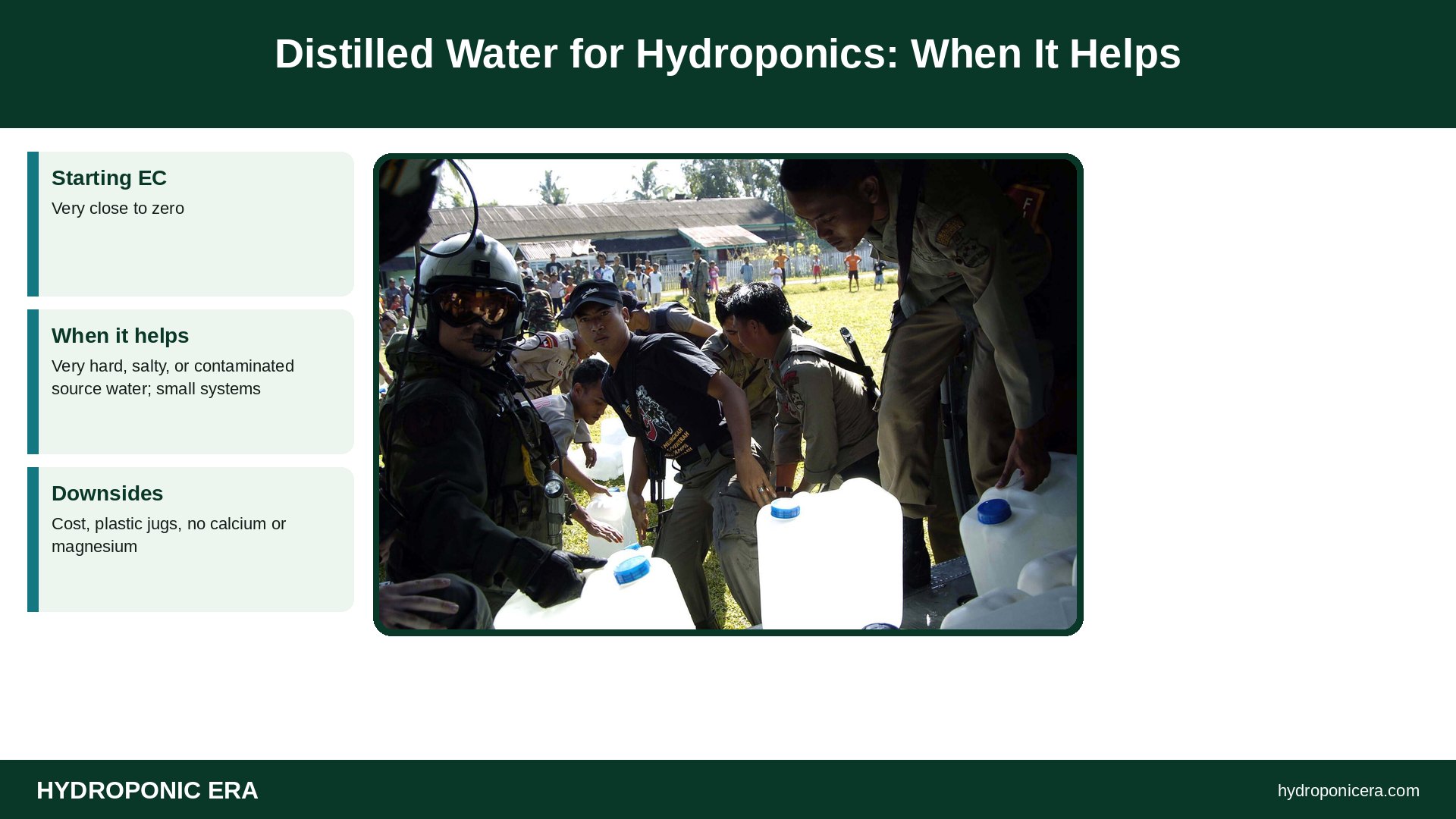
Distilled water helps in hydroponics when your tap or well water is very hard, high in sodium, chloride, or boron, or otherwise unsuitable, because distilled water starts with almost no dissolved minerals. That blank slate lets you control exactly what nutrients plants receive. It isn’t required for most growers, and it costs more than tap water. If you use distilled water, choose a complete nutrient that includes calcium and magnesium, or add a Cal-Mag supplement, because pure water supplies none.

fertilizer for plants in water — Fertilizer for Plants in Water: What to Use and How Much

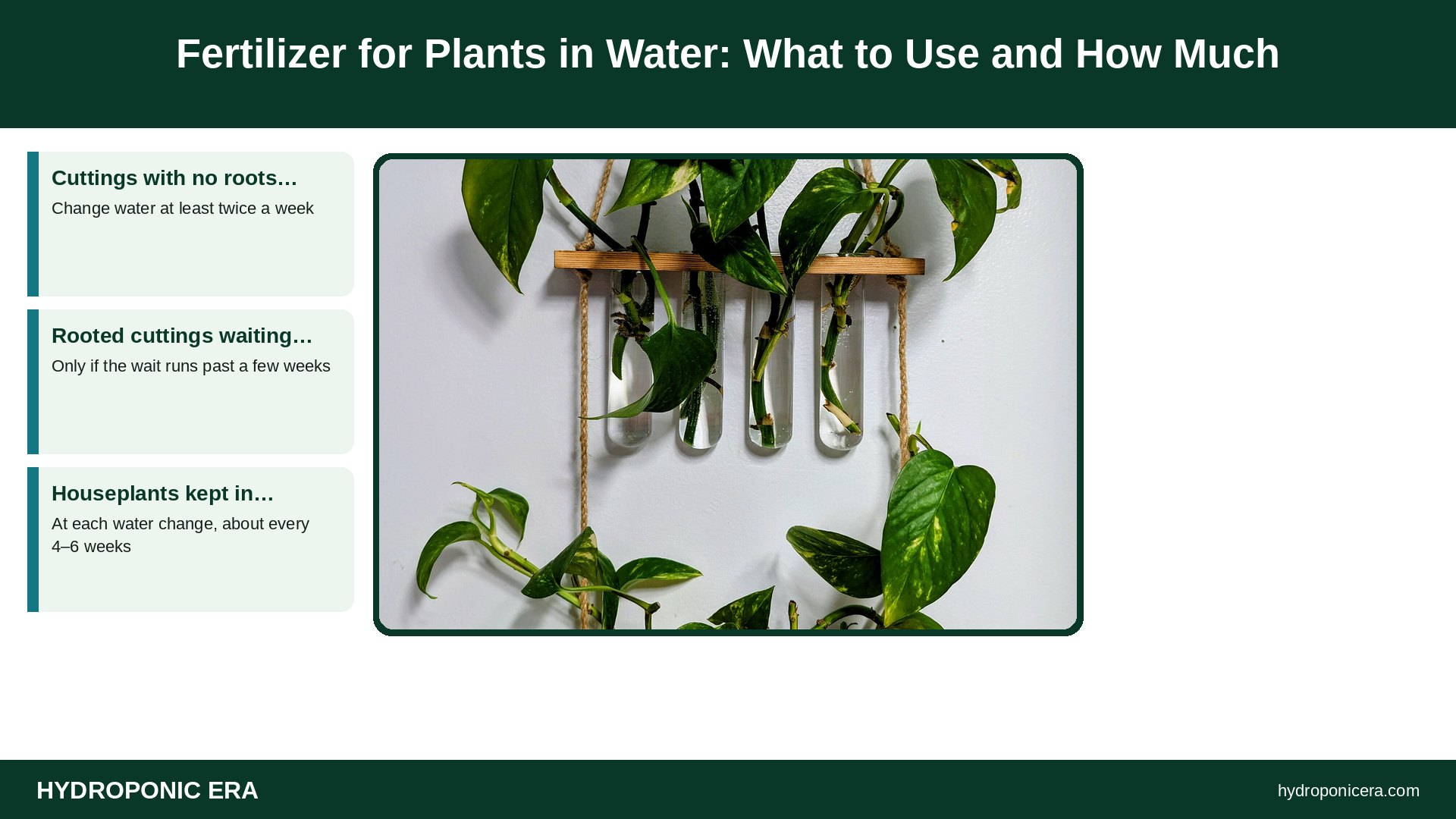
What is the best fertilizer for plants in water? Use a complete, water-soluble fertilizer that includes micronutrients, mixed at about one-quarter of the label strength. Add it when you change the water, typically every 4–6 weeks for houseplants kept in water. Don’t feed fresh cuttings until they have roots, and never add slow-release spikes or granules to a jar.

uv light for plants — UV Light for Plants: Does It Help Indoor Growth?

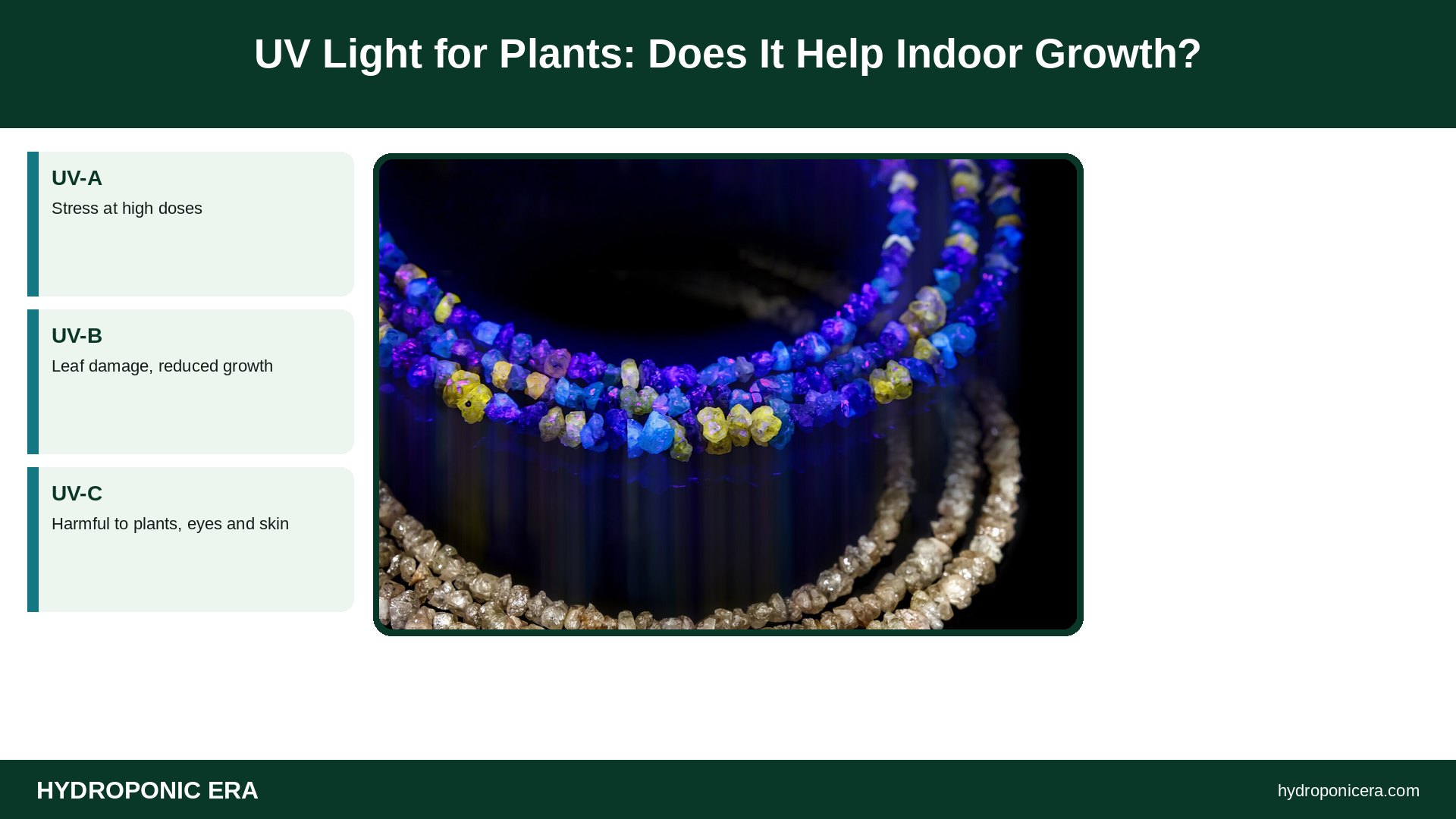
Does UV light for plants help? A small amount can. Research shows UV-A can boost seedling growth and UV-B can deepen red and purple leaf color and raise protective compounds. But UV light for plants is a supplement, not a main grow light, and too much UV-B stunts and burns leaves. UV is also hazardous to your eyes and skin, so use shielded fixtures and timers.

propagation station — Propagation Station: How to Set Up Water Propagation at Home

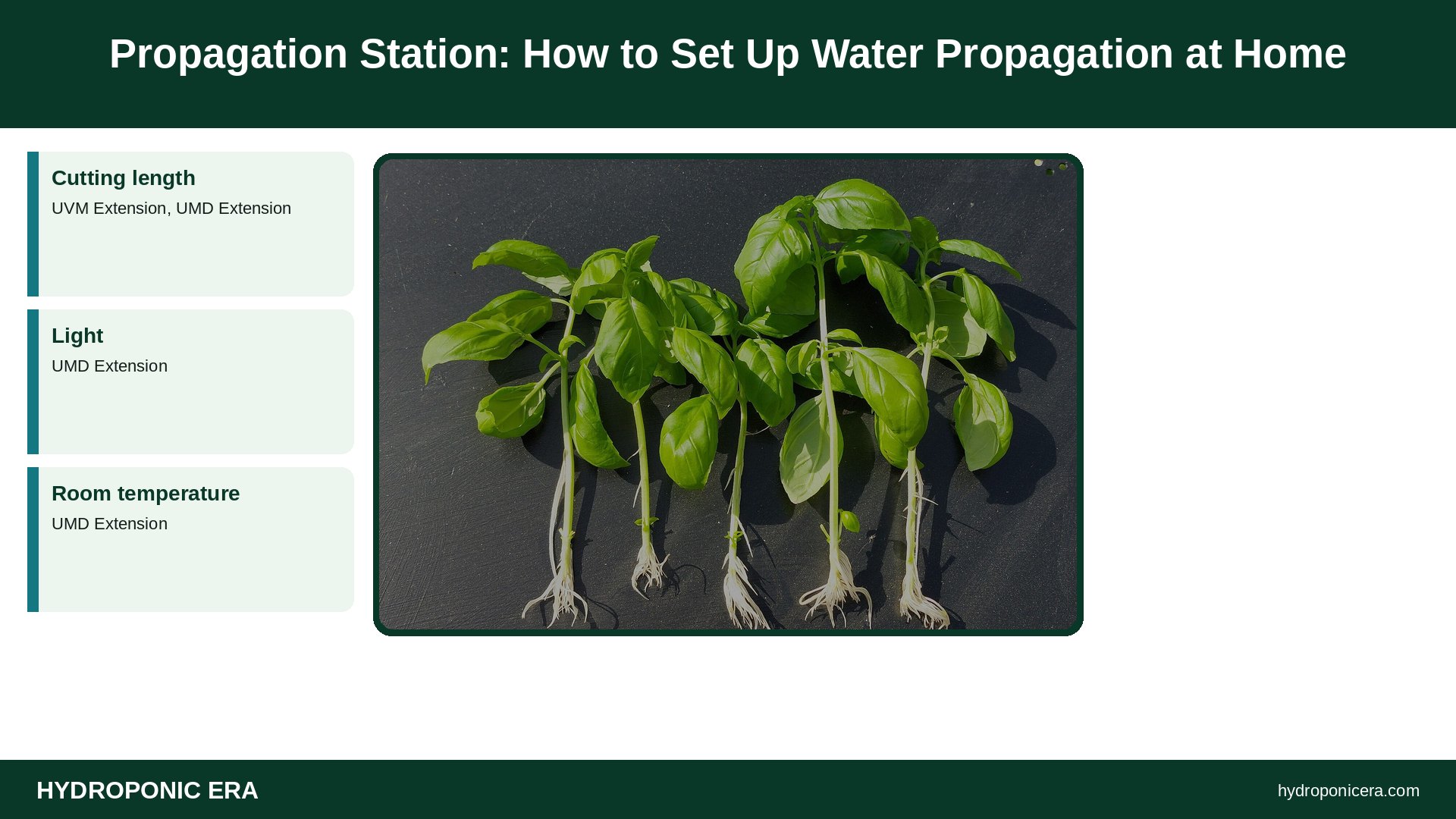
What is a propagation station? A propagation station is a stand or rack that holds clear glass vessels of water so you can root plant cuttings and watch the roots grow. It works best for easy rooters like pothos, philodendron and coleus. Use 3–6 inch (8–15 cm) cuttings with at least one node underwater, bright indirect light, and fresh water at least twice a week.

aquaponics in the classroom — Aquaponics in the Classroom: A Teacher's Guide

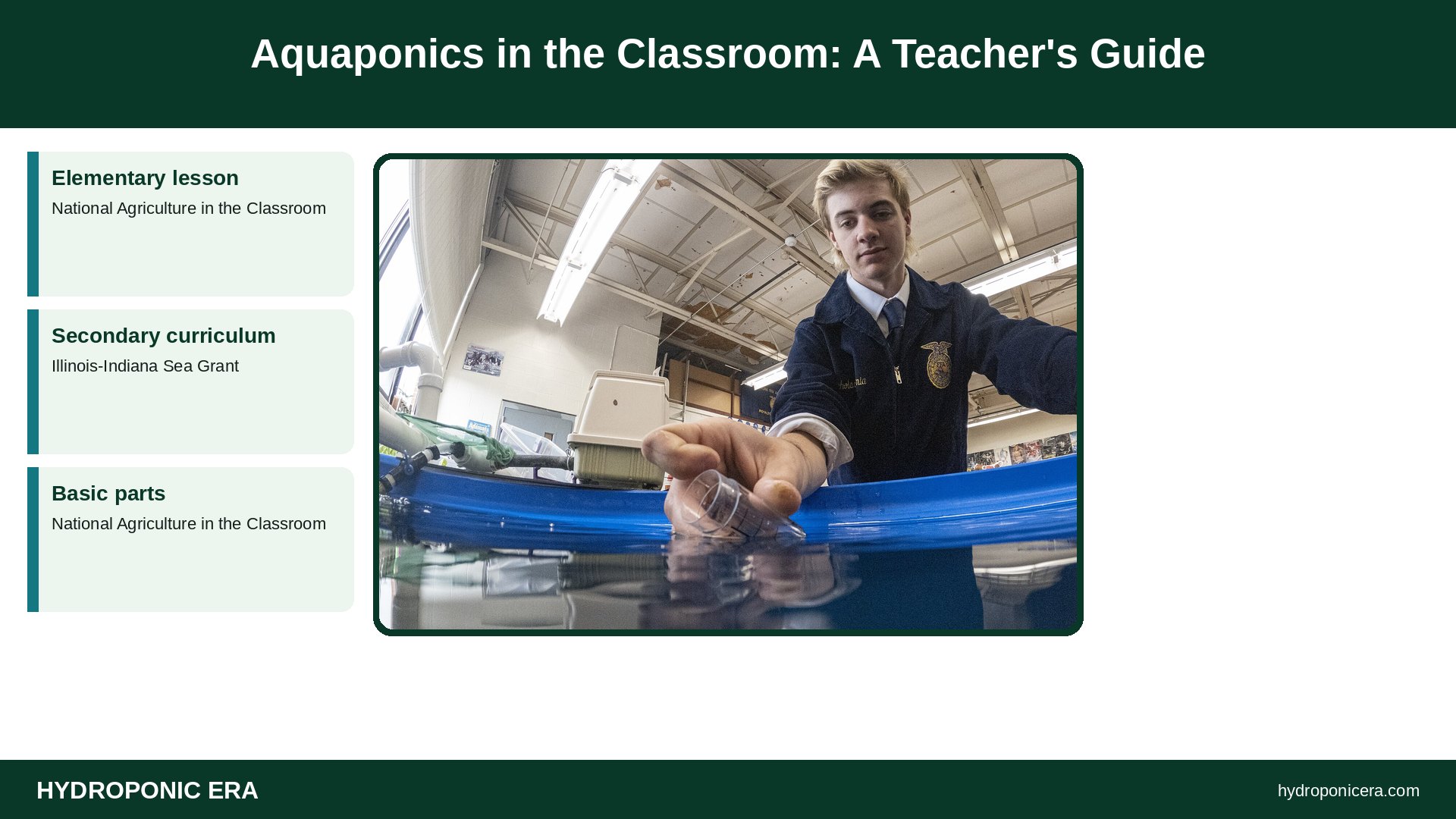
Aquaponics in the classroom turns biology, chemistry and math into something students can see, measure and eat. A small system, often a 10–20 gallon (38–76 L) aquarium with a grow bed on top, a pump, an air stone, a grow light, hardy fish such as goldfish, and fast plants like lettuce or basil, is enough to teach the nitrogen cycle, water testing, plant needs and ecosystems.

aquaponics root rot — Aquaponics Root Rot: Causes and Fish-Safe Fixes

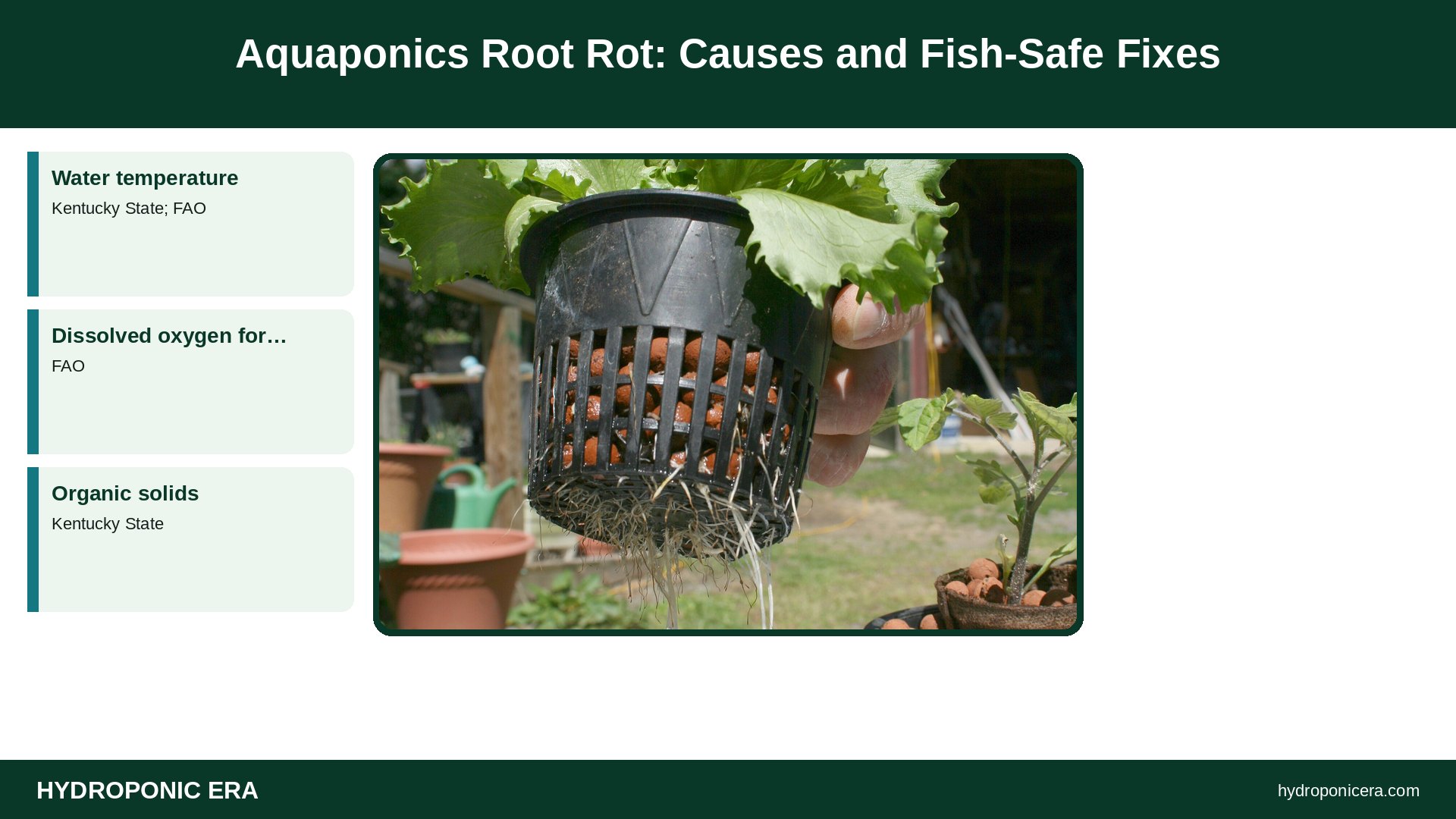
Aquaponics root rot is usually caused by Pythium , a water mold that thrives in warm, low-oxygen water full of organic solids. Healthy roots are white or cream and firm; rotting roots turn brown, slimy and slough off when touched, while plants wilt or look nutrient-starved. The fix starts with the water, not chemicals: keep water below about 78–82°F (26–28°C), raise dissolved oxygen with more aeration, remove solids faster, and pull out badly infected plants. Don’t use fungicides or harsh disinfectants in a system with fish, because they can harm the fish and the nitrifying bacteria.