Aquaponics snails are a mixed bag. Small aquarium snails such as ramshorns and Malaysian trumpet snails eat algae, leftover feed and detritus, and many home growers keep them as a cleanup crew. But snails can also become pests. The Southern Regional Aquaculture Center reports that snails in raft tanks eat plant roots and nitrifying bacteria, and the FAO lists snails among animals that can carry fish parasites into a system. The safe approach: don’t add snails to a food-fish system on purpose unless you know their source, keep populations small by not overfeeding, and never release snails or system water outdoors.
Most indoor systems need aquaponics grow lights , and a modern full-spectrum LED is the best choice for nearly all of them. Light the grow beds, not the fish: aim for a daily light integral (DLI) of about 12–17 mol/m²/day for lettuce and leafy greens, which works out to roughly 210–295 µmol/m²/s of PPFD for 16 hours a day. Fruiting crops like tomatoes need more. Keep the fish tank covered and shaded, because light on the water grows algae. Choose a fixture with a rated efficacy of about 2.5 µmol/J or better, mount it securely above splash height, and plug everything into a GFCI outlet.
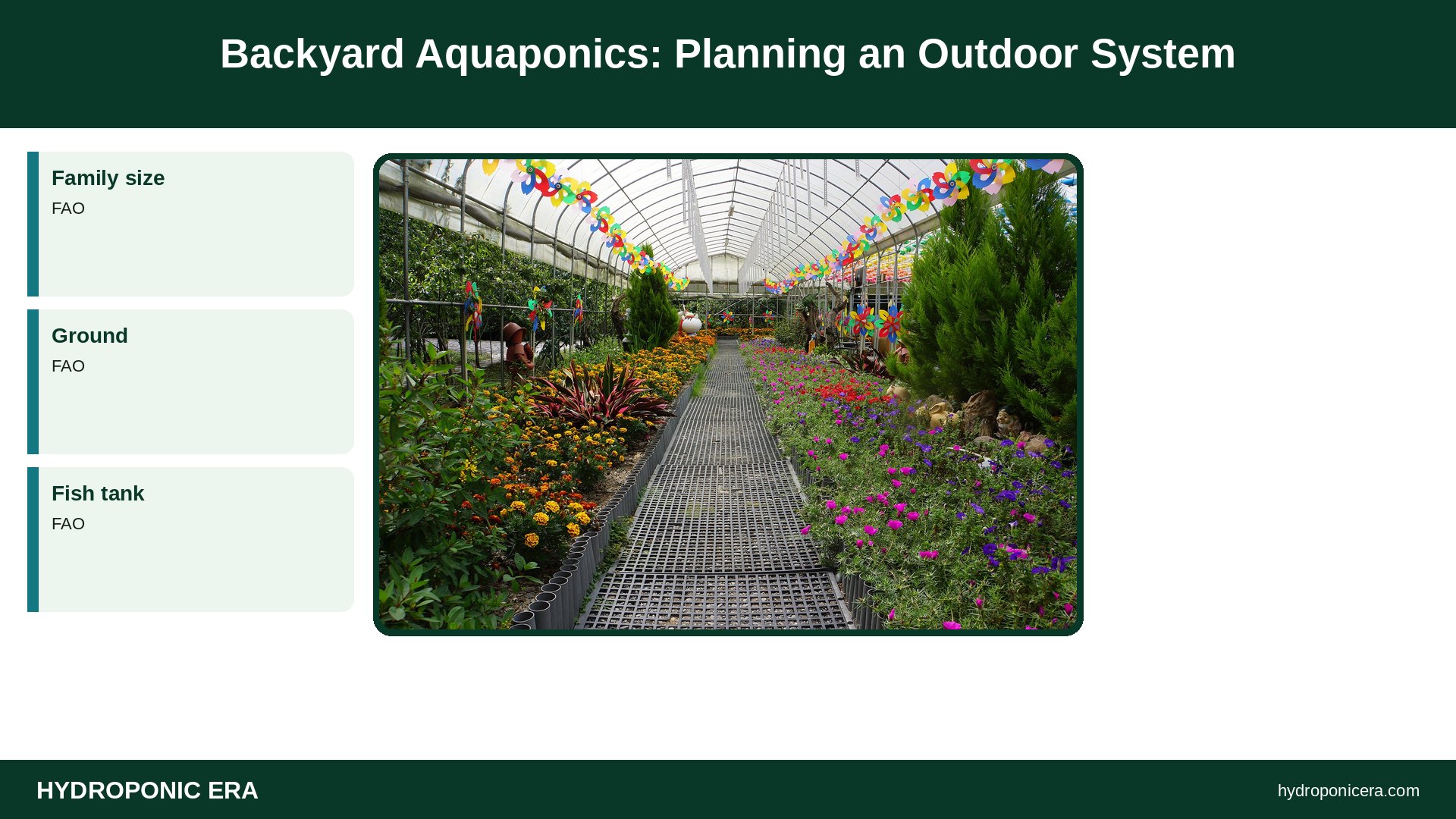
Backyard aquaponics works best on a level, solid, wind-protected spot that gets plenty of sun on the grow beds but keeps the fish tank shaded. Start with a system the FAO calls small-scale and family-sized: about a 264-gallon (1,000 L) fish tank and roughly 32 square feet (3 m²) of grow beds.
You can use bleach in hydroponics, but mainly as a cleaner and disinfectant between crops, not as a routine nutrient additive. Plain, unscented household bleach (sodium hypochlorite) kills algae, bacteria, and fungi on reservoirs, tubing, net pots, and trays when you clean with a diluted solution and rinse thoroughly. Adding bleach to a live reservoir is riskier: chlorine can damage roots, kills beneficial microbes, breaks down quickly, and there is no well-established university dose for home systems. Never mix bleach with acids (including pH down) or ammonia.
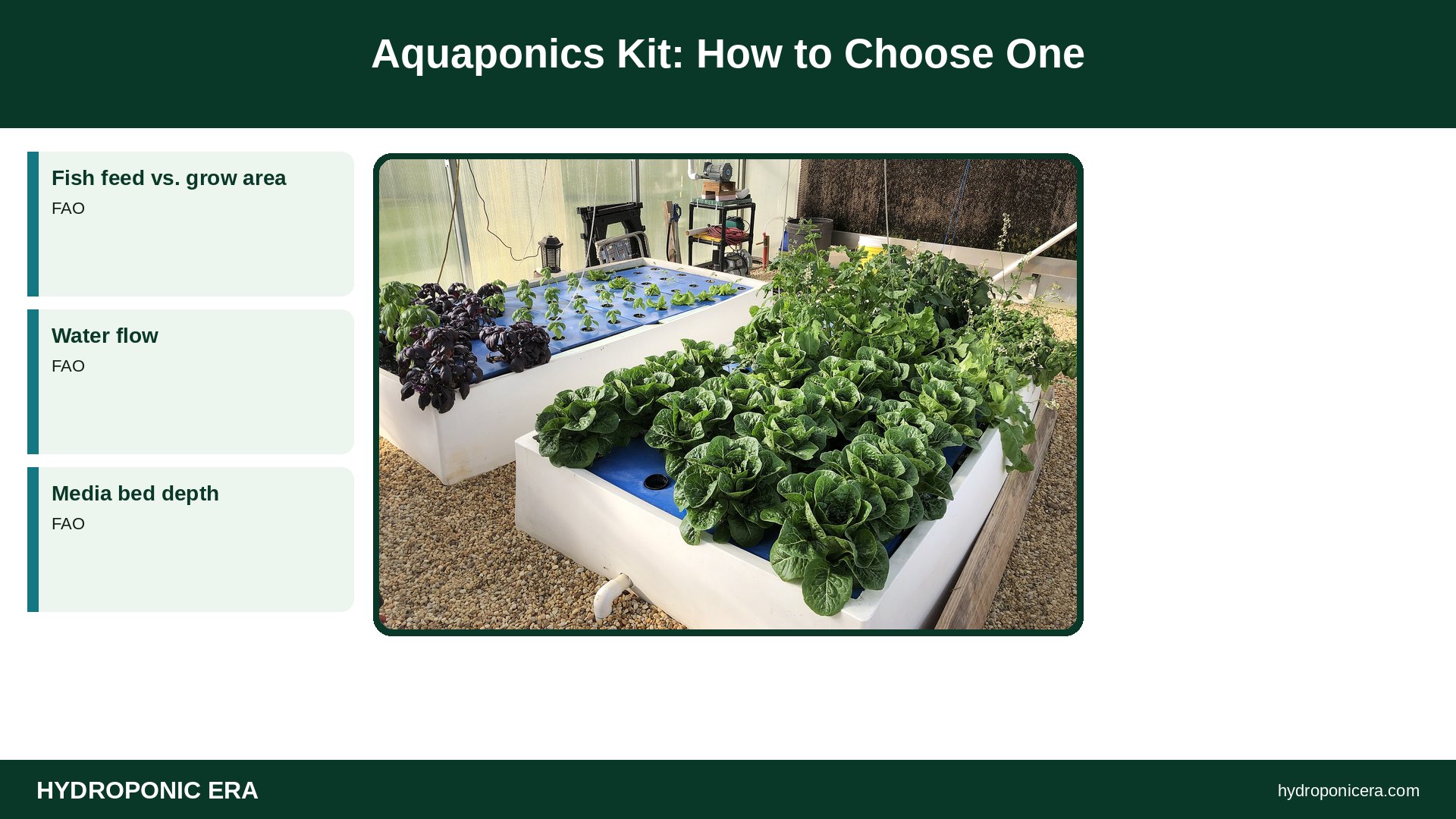
The best aquaponics kit for you depends on what you want to grow. Small 3–10 gallon (11–38 L) desktop kits are great for learning and a few herbs, but they hold too few fish to feed much plant growth. For real harvests, look for a kit with a fish tank of roughly 50–264 gallons (190–1,000 L), a grow bed sized to your daily fish feed, a pump that moves the tank’s volume about once or twice an hour, an air pump, and food-safe, UV-resistant plastic.
A money tree in water works for rooting cuttings, but not as a permanent home for the plant. To root one, cut a 4–6 inch (10–15 cm) green, softwood stem just below a node, remove the lower leaves, and stand it in room-temperature water with one node submerged. Keep it warm, at about 65–75°F (18–24°C), in bright indirect light, and change the water weekly. Money tree cuttings root less reliably than pothos, so take several. Despite its swampy origins and the name Pachira aquatica , N.C. State Extension warns that potted money trees don’t tolerate standing water, which can cause root rot.
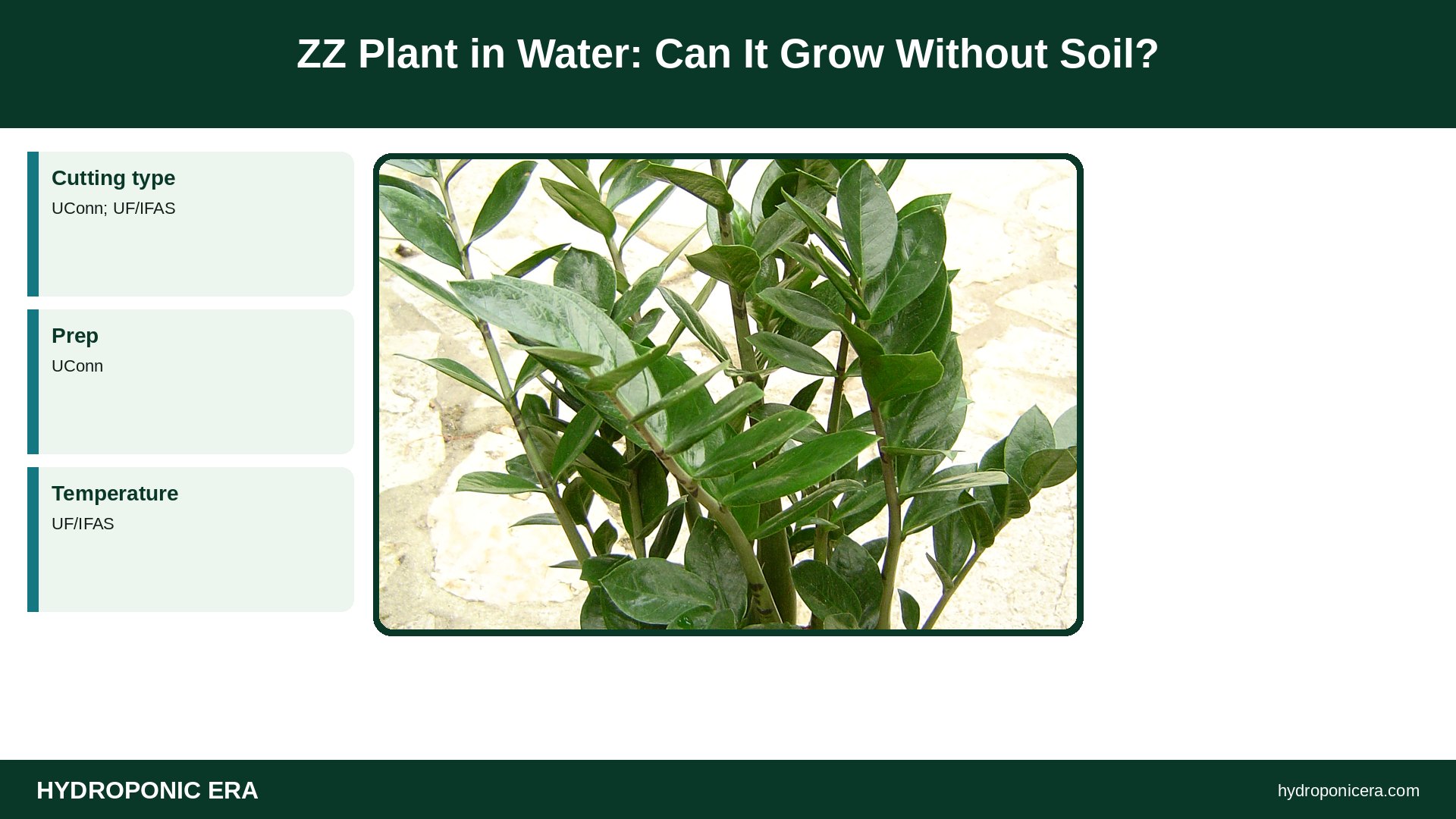
You can root a ZZ plant in water , but be ready to wait. A ZZ “stem” is really one large compound leaf, and cuttings first grow a small potato-like rhizome before they make much root. Let a cut leaf or single leaflet dry for a few hours, then stand the cut end about 1 inch (2.5 cm) deep in room-temperature water with the leaflets above it. Keep it warm, ideally 75–85°F (24–29°C), in bright indirect light, and change the water weekly.
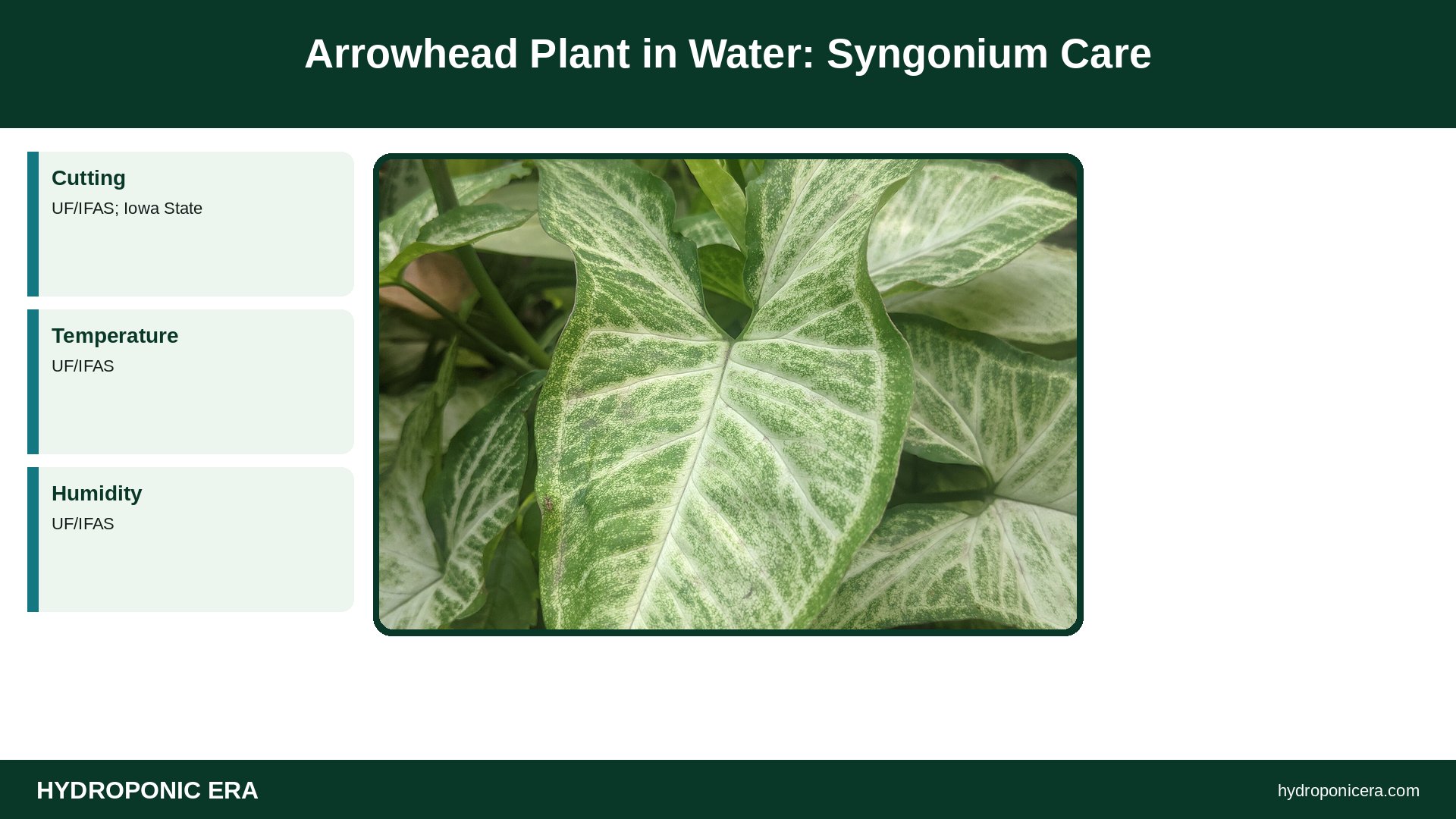
Yes, an arrowhead plant in water roots readily and can live in a jar for a long time. Cut a 3–6 inch (8–15 cm) stem with at least one or two nodes, remove the leaves from the lowest node, and set it in room-temperature water with the node submerged and the leaves dry. Give it bright, indirect light at 65–80°F (18–27°C) and change the water once or twice a week. Roots usually form in about 3–6 weeks. Arrowhead plant ( Syngonium podophyllum ) forms aerial roots at almost every node, which is why it takes to water so well.
Yes, begonia in water roots easily from stem cuttings. Take a 3–4 inch (8–10 cm) tip cutting with two to four nodes, cut just below a node, strip the lower leaves, and stand it in a small jar of room-temperature water so at least one bare node is underwater. Keep it in bright, indirect light at 60–80°F (16–27°C) and top up or change the water as needed. Roots usually appear in about 3–4 weeks. Pot the cutting into a well-drained mix once roots are about ½–2 inches (1–5 cm) long, because begonia roots rot quickly if soil stays soggy.
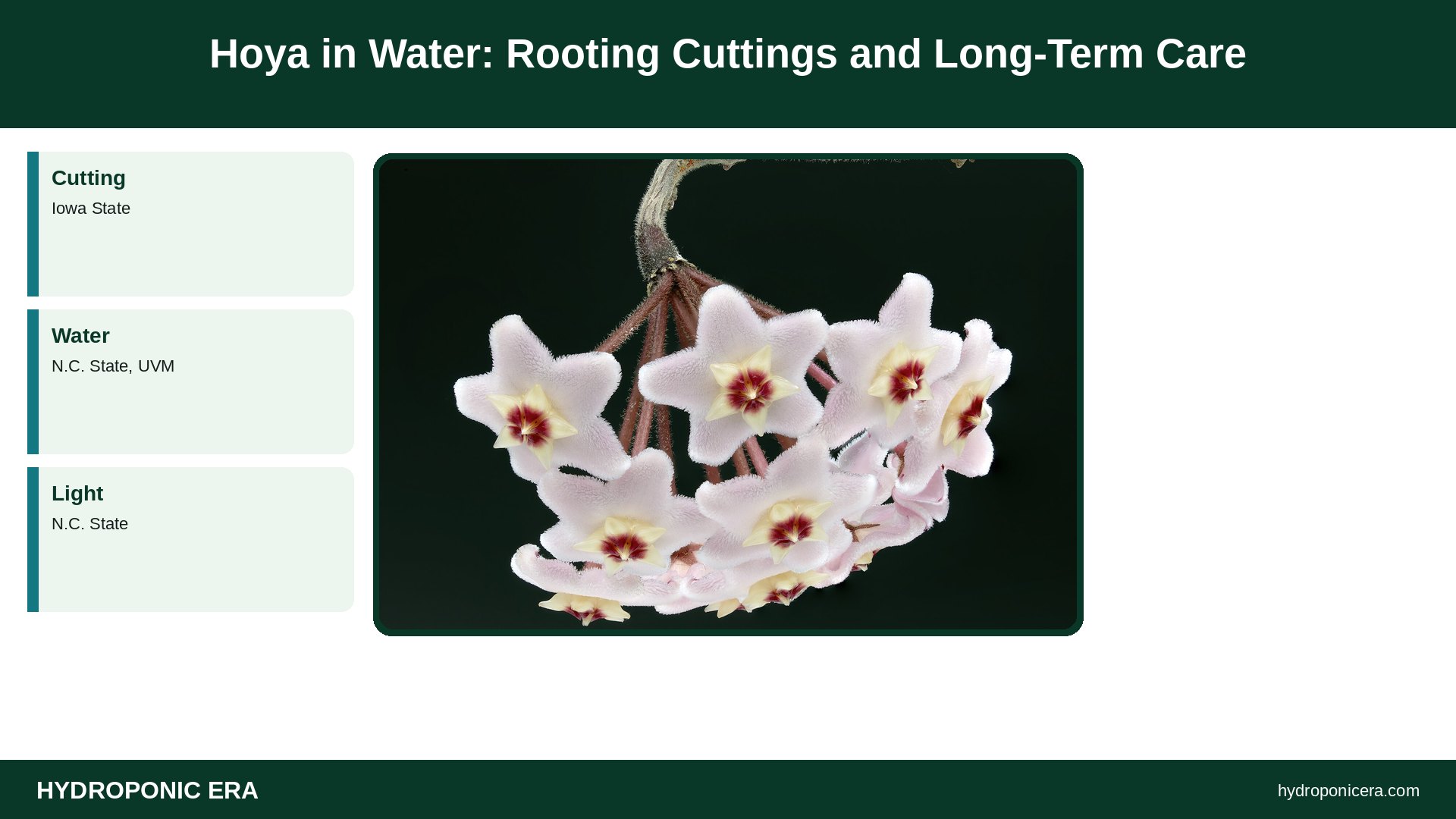
Yes, hoya in water roots well. Cut a 3–6 inch (8–15 cm) stem with at least two nodes, remove the leaves from the bottom node, and stand it in room-temperature water so the bare node is submerged and the leaves stay dry. Keep it in bright, indirect light at 65–75°F (18–24°C), and change the water weekly or whenever it clouds. Hoya is slower than pothos, so expect several weeks before roots form. Pot it into a fast-draining mix once roots are about 1–2 inches (2.5–5 cm) long, because hoyas prefer to dry out between waterings.