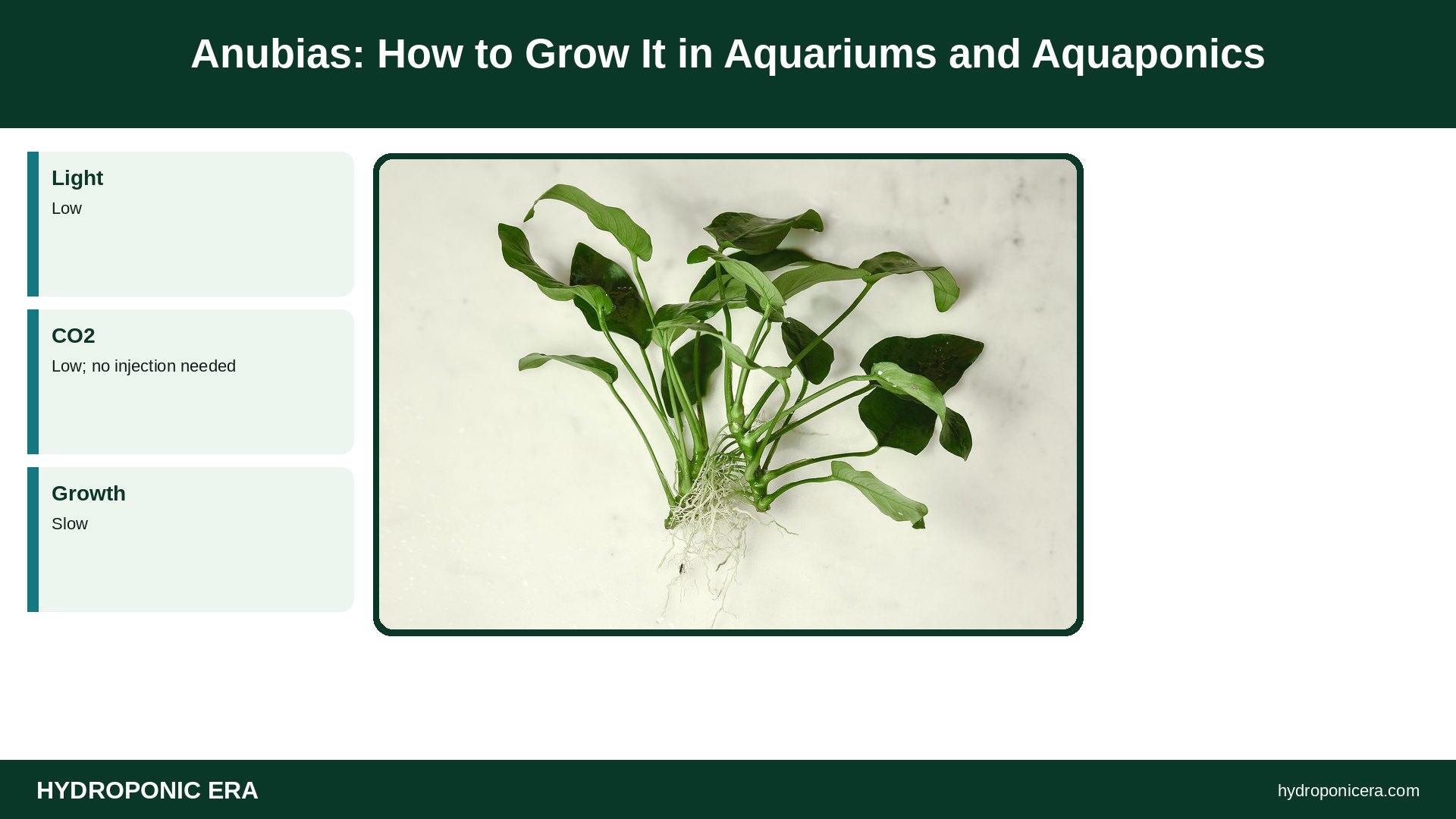
How do you grow anubias? Anubias is a slow-growing, low-light aquarium plant that grows best tied or glued to rock or driftwood, with its thick rhizome kept above the substrate. Give it modest light, stable warm water and patience. It needs no CO2 injection, and most plant-eating fish leave its tough leaves alone.
How do you grow water lettuce safely? Water lettuce is a free-floating plant that grows fast in warm, bright, still water. Grow it only where it is legal, keep it in a closed tub or tank with no outflow, thin it often, and bag and trash extras. Never dump it in ponds or streams.
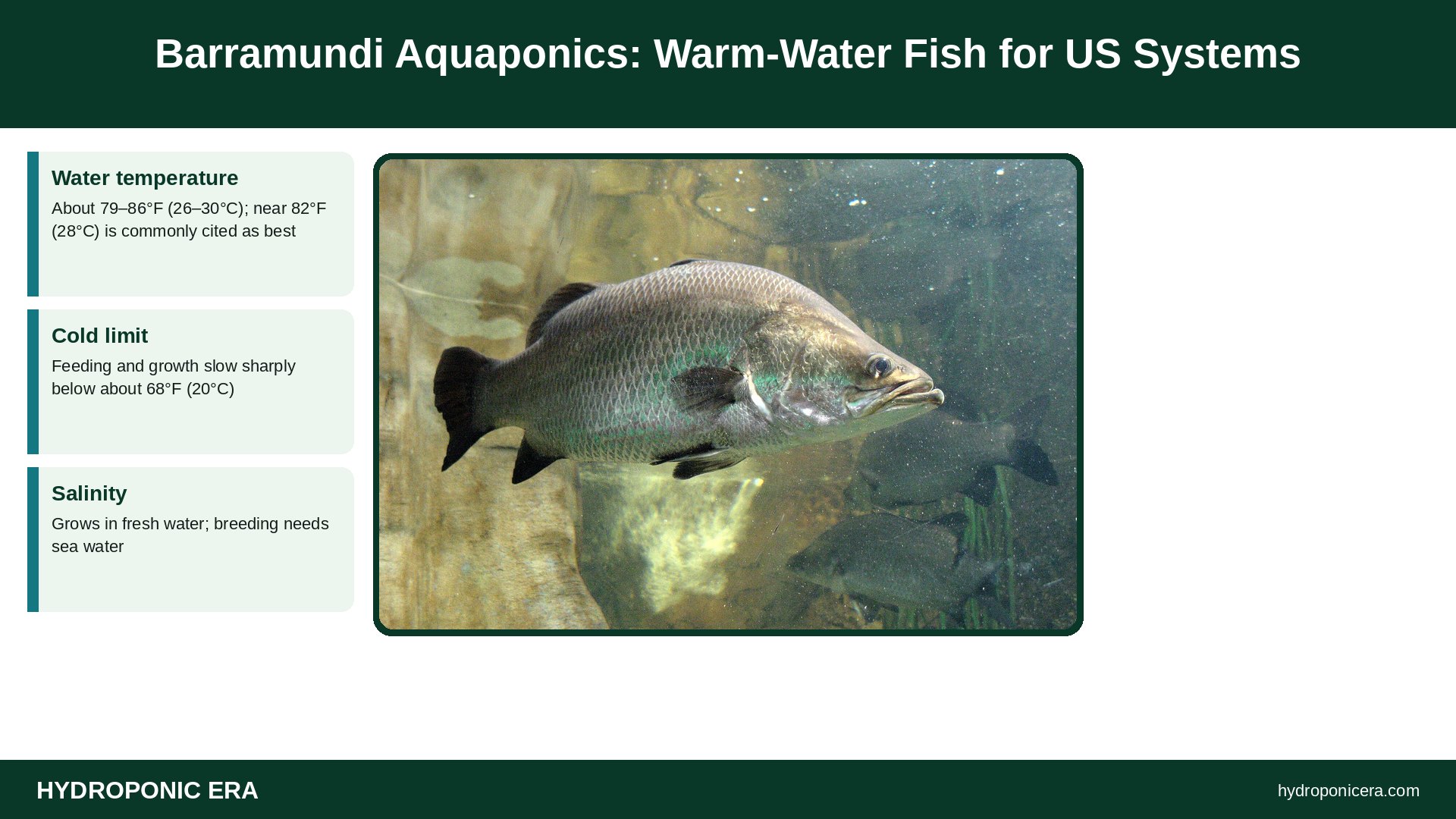
Is barramundi aquaponics a good idea? Barramundi aquaponics can work in the US if you can hold warm water near 82°F (28°C) year-round, give the fish strong aeration and filtration, and buy legal fingerlings. Barramundi grow fast in fresh water, but they are predatory, need heat, and some states restrict them.
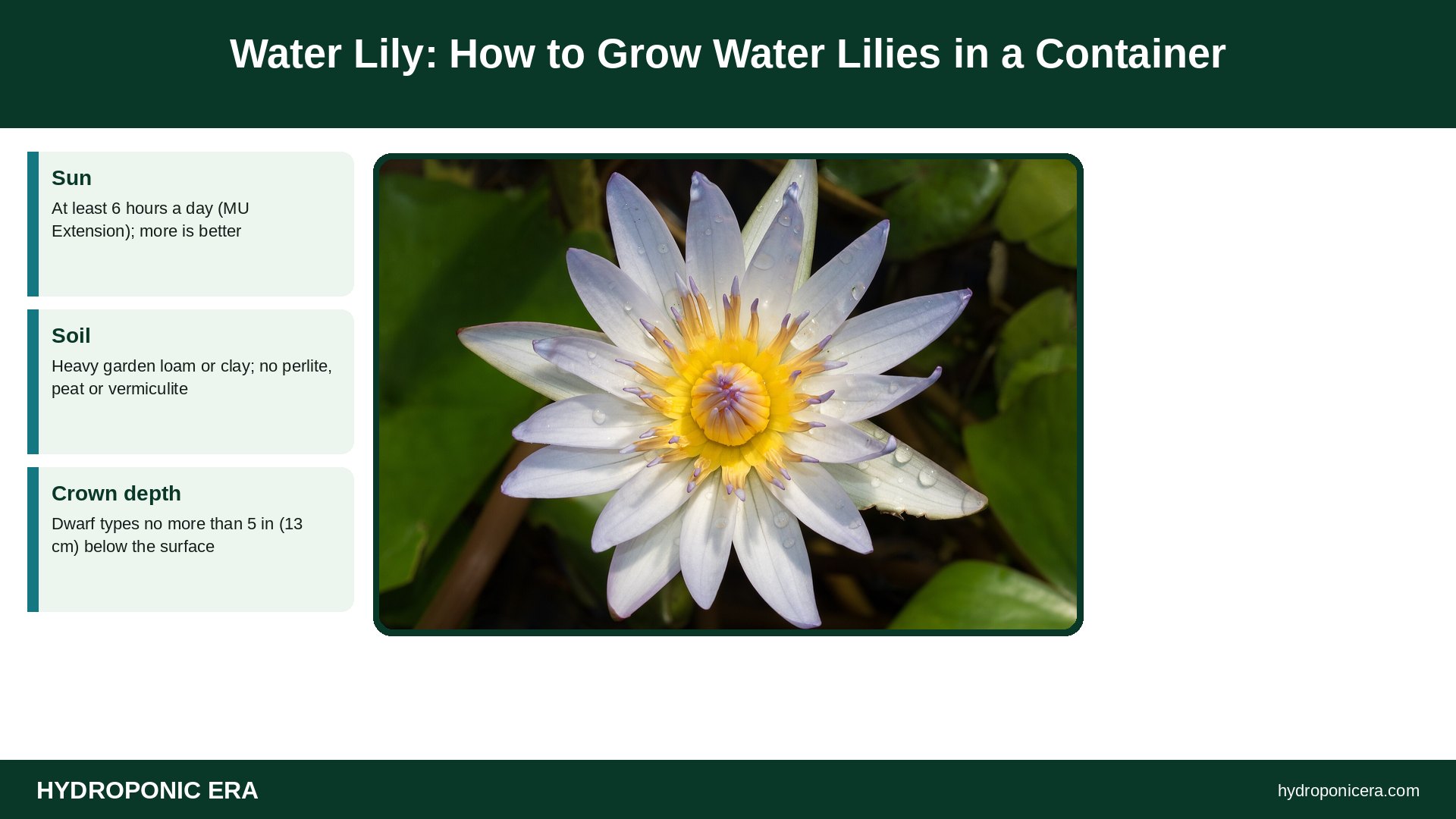
Can you grow a water lily in a container? Yes. A water lily grows well in a tub, half barrel or small preformed pond if it gets at least six hours of sun, calm water, heavy garden soil in a submerged pot, and slow-release aquatic fertilizer tablets. Dwarf hardy varieties are the easiest choice for small containers and beginners.
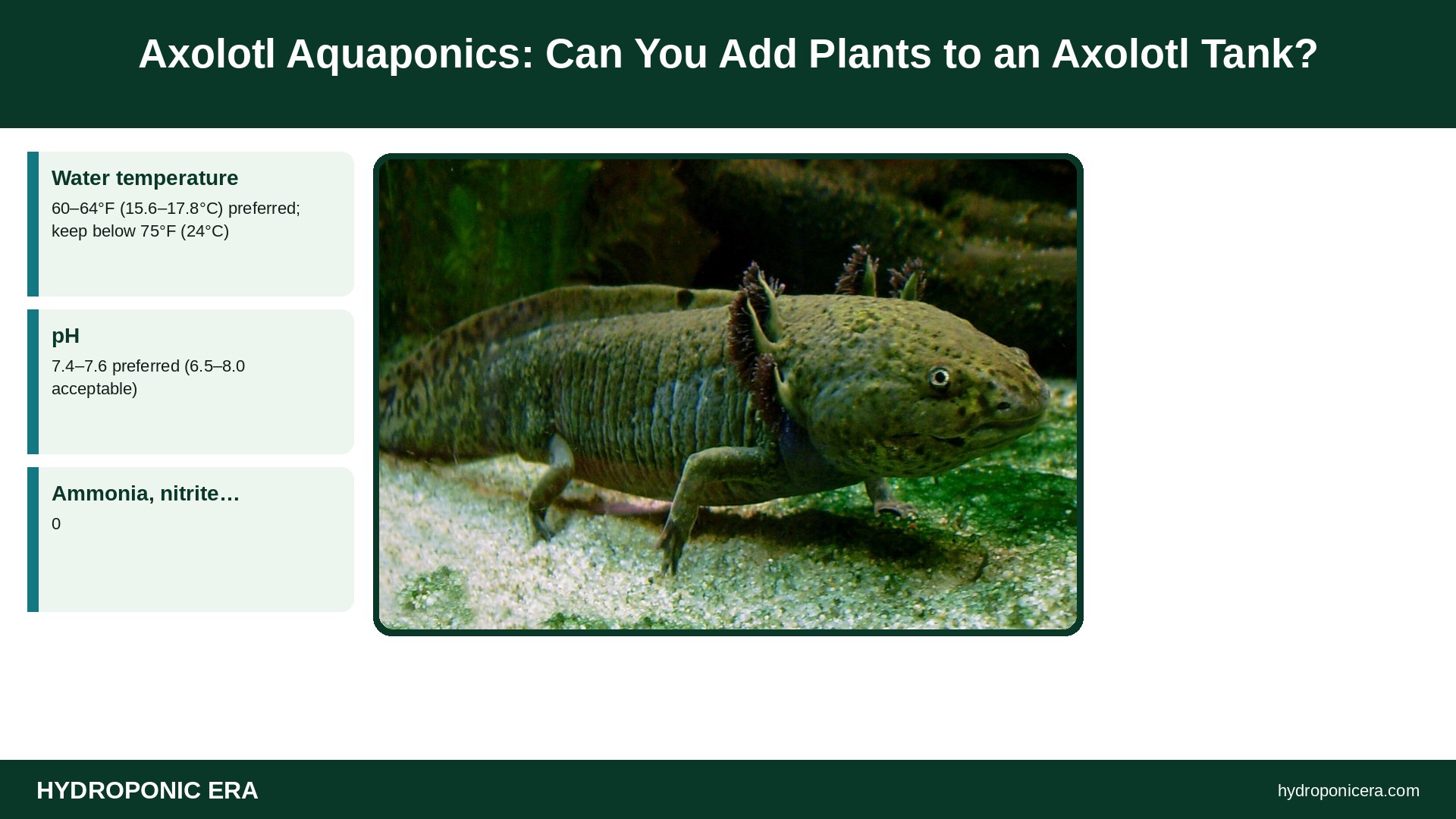
Can you do axolotl aquaponics? Yes, on a small scale. Axolotl aquaponics uses a tank’s nitrogen-rich water to feed plants growing above it, such as pothos or lettuce roots in a hang-on bed. The plants pull out nitrate, but the tank still needs cool water, gentle flow, a cycled filter and weekly water changes.
How does sphagnum moss propagation work? Sphagnum moss propagation means rooting cuttings in damp, long-fiber sphagnum instead of water or soil. The moss holds moisture and air around the node, so roots form without rot. Soak the moss, wring it out, tuck the node in, and keep it humid.
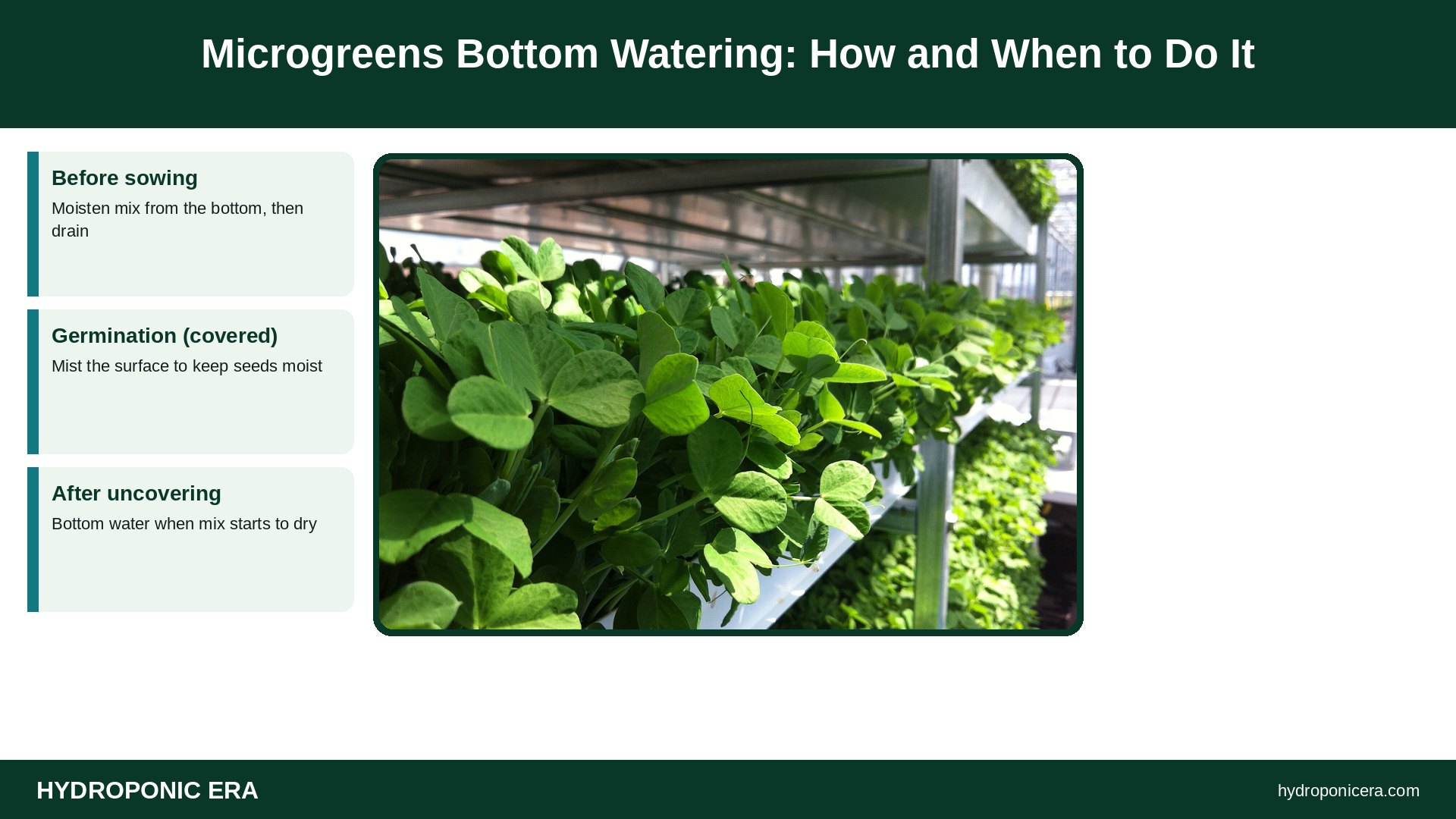
How does microgreens bottom watering work? Set a tray with drainage holes into a second tray of water for a few minutes, let the growing mix soak water up from below, then drain the extra. Microgreens bottom watering keeps leaves and stems dry, which Penn State and Mississippi State Extension recommend to limit mold and keep greens clean.
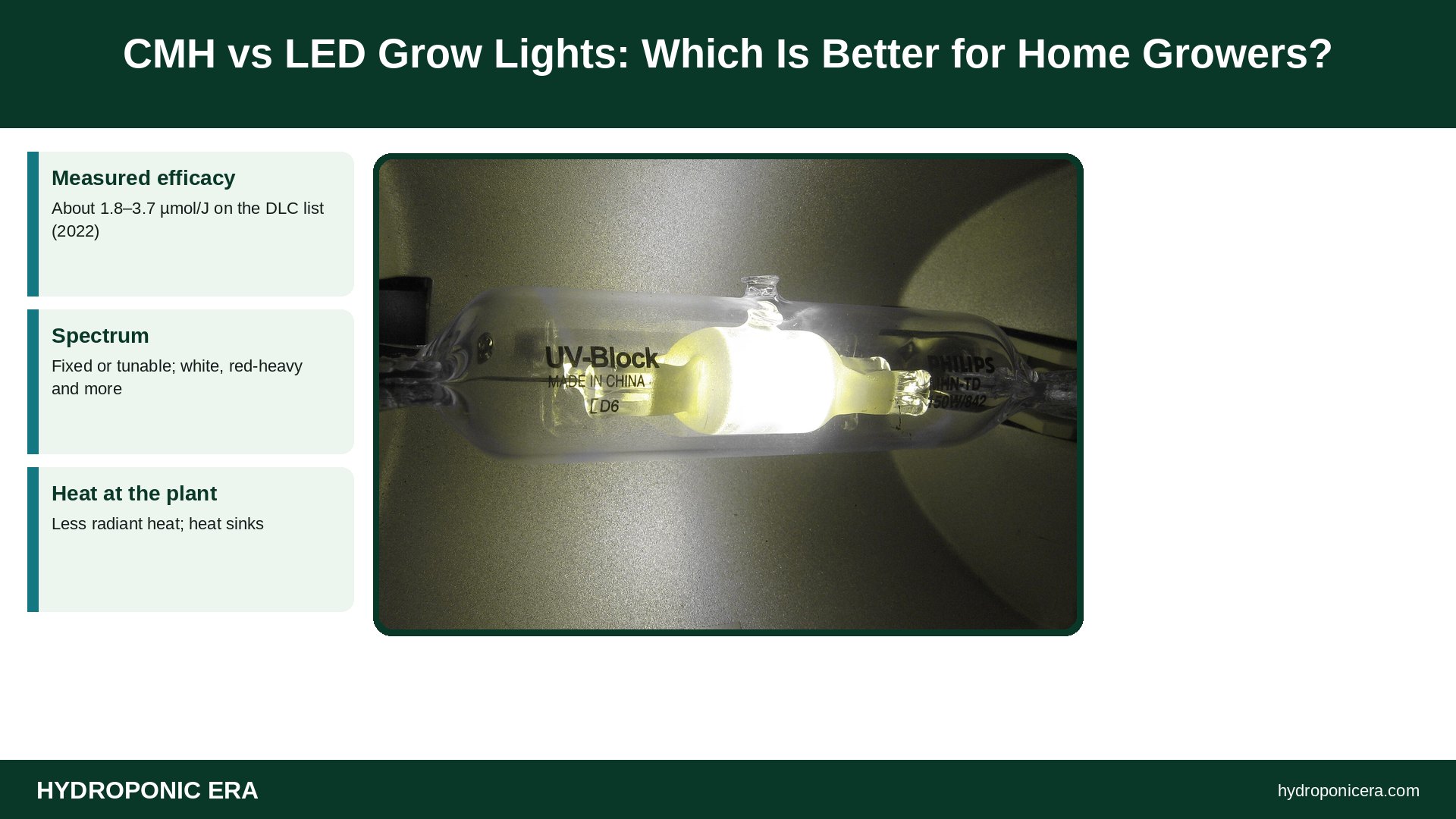
CMH vs LED: which grow light is better? For most growers in 2026, LED wins. In CMH vs LED tests, the best ceramic metal halide fixtures measured about 1.46–1.58 µmol/J, while many LED fixtures on the DesignLights Consortium list exceed 2.5 µmol/J. CMH costs less up front, but uses more power and adds heat.
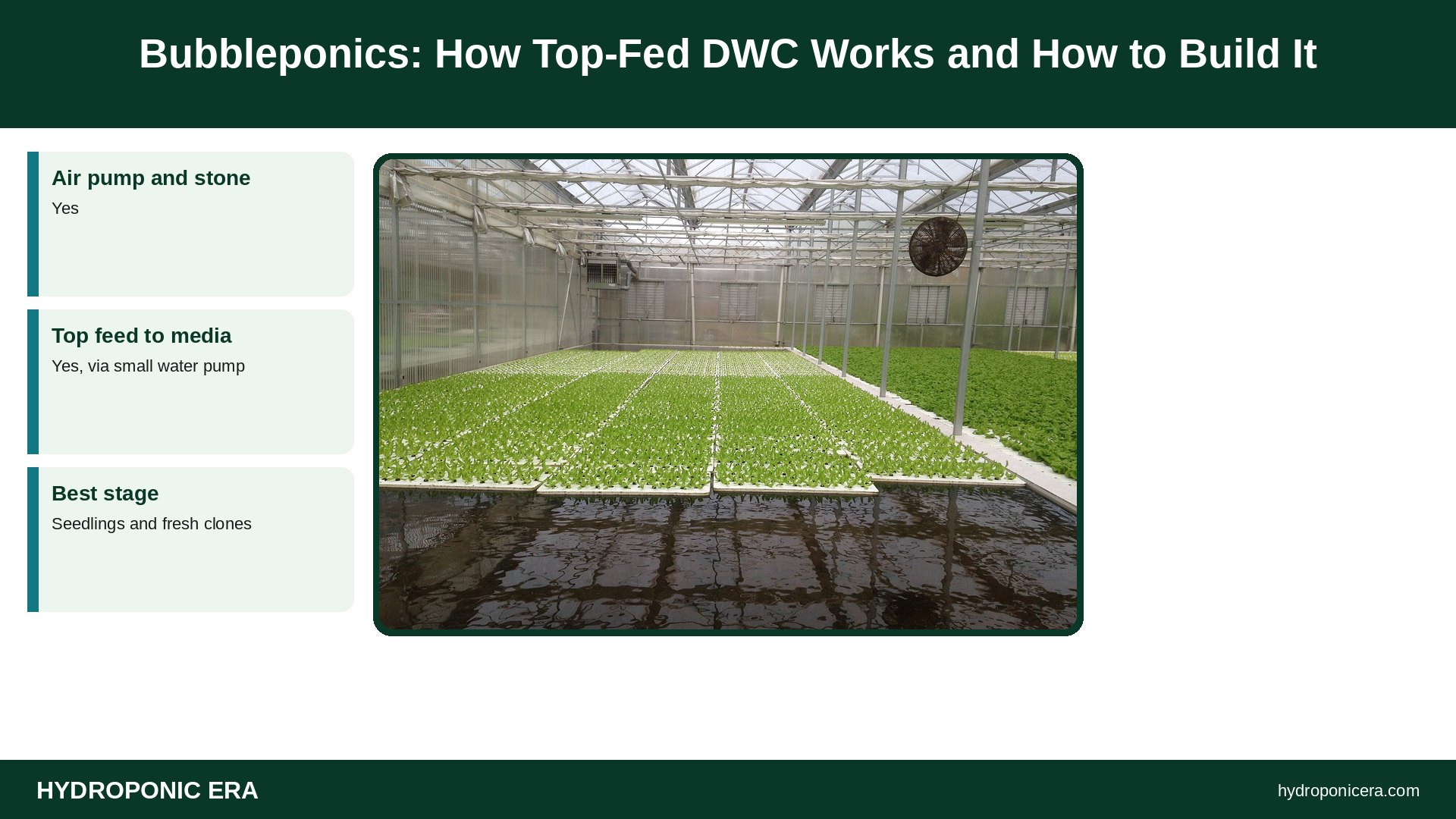
What is bubbleponics? Bubbleponics is a top-fed form of deep water culture (DWC). Roots hang in an aerated nutrient reservoir like normal DWC, but a small pump also drips or sprays solution onto the top of each plant’s media. That top feed helps young seedlings and clones before their roots reach the water, then it becomes optional.
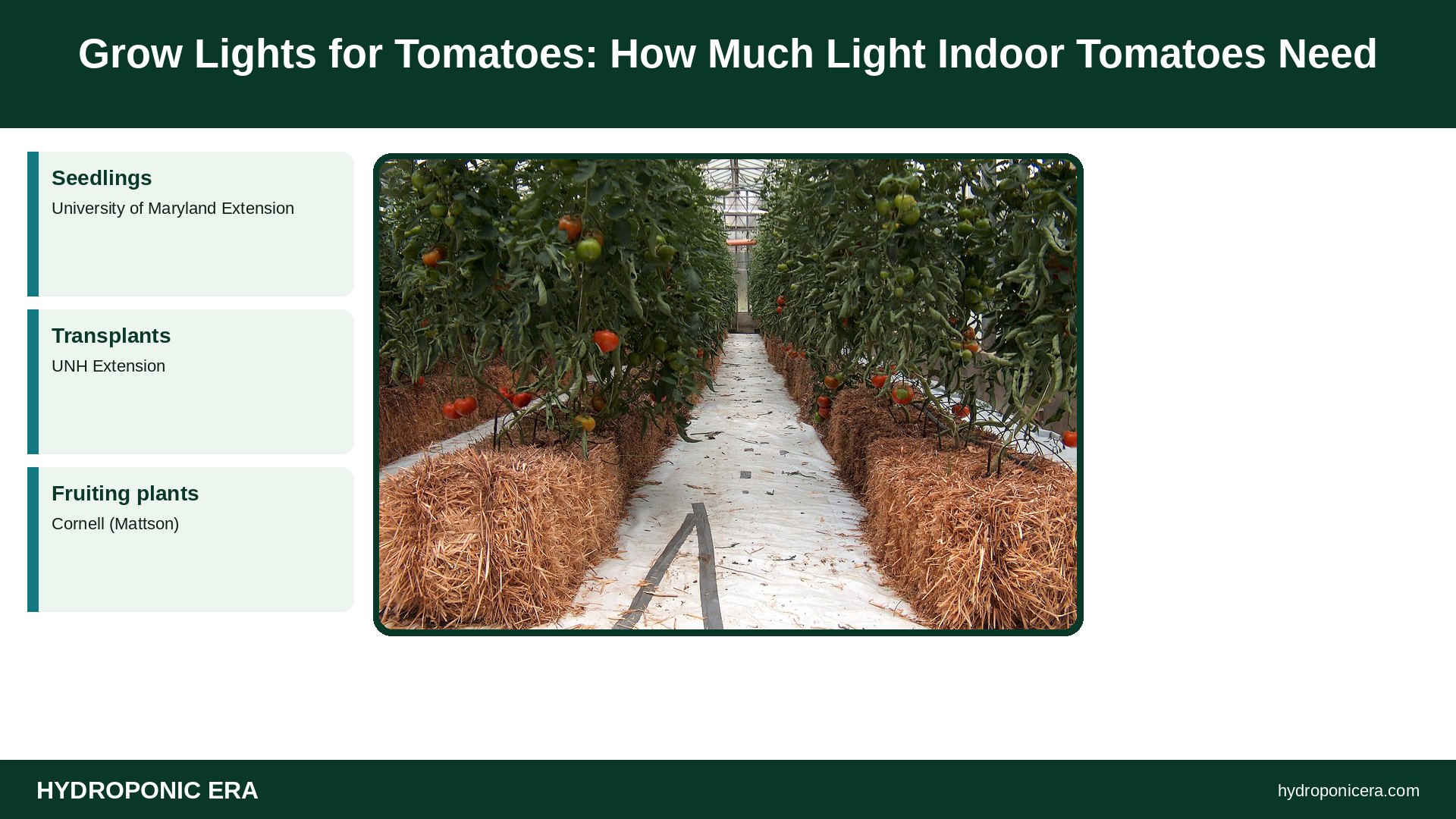
What grow lights for tomatoes work best? Strong full-spectrum LED grow lights for tomatoes work best. Seedlings need light 14–16 hours a day with fixtures close, while fruiting plants need far more light than leafy greens. Cornell’s Neil Mattson lists a daily light integral of at least 20 mol/m²/day for tomatoes, with more than 30 as optimal.