
Quick Answer
The cost to start home hydroponics depends on path: a single DIY Kratky jar, a small retail kit, or a dedicated indoor room with lights, climate control, and a recirculating system. Rather than fake ROI claims, use budget frameworks: list must-have categories (vessel, media/net pots, nutrients, meter, light, power, contingency), choose a crop that matches the system, and upgrade only after you can keep plants alive through a full cycle.
See start at home, kits, supplies, hobby vs commercial, and Kratky.
Key Takeaways
- Michigan State University Extension frames hydroponics as an agricultural production system—costs scale with complexity.
- Oklahoma State hydroponics fact sheet supports understanding system components before buying gadgets.
- Lights and climate often dominate indoor budgets more than net pots.
- Meters and calibration supplies are non-negotiable operating costs.
- No honest article can promise your payback period—markets and skills vary.
- Start smaller than your ambition; expand after one successful harvest cycle.
- Contingency budget for leaks, failed pumps, and replacement probes.
Related HydroponicEra guides
Three Starter Frameworks (Ranges, Not Quotes)
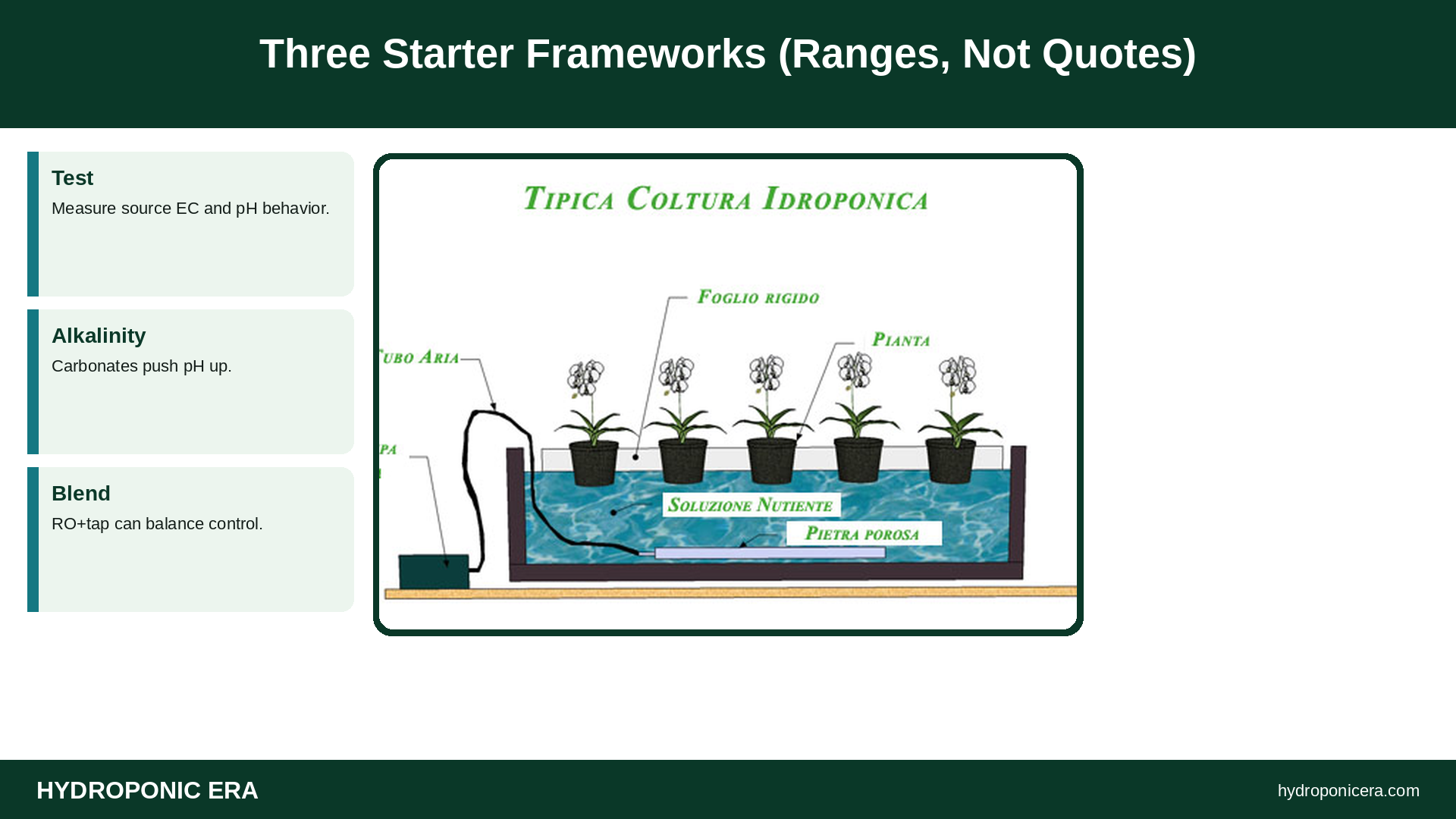
Prices vary by country, retailer, and year. Use these as category frameworks to build your own spreadsheet—not as invoices.
| Framework | What you typically buy | Cost driver notes |
|---|---|---|
| DIY jar / Kratky micro | Opaque bottles, net pots, plugs, nutrients, basic pH test or pen, desk LED | Cheapest learning loop; limited crop size |
| Retail beginner kit | Prebuilt module, pump, lights sometimes included, nutrients starter | Convenience premium; verify meter quality separately |
| Dedicated tent/room | Tent, quality LED, inline fan, reservoir, meters, backup air pump, shelving | Lighting + HVAC/vent dominate |
UF/IFAS small hydroponic lettuce/herb publications show how little space leafy crops need—useful when deciding whether a room build is premature.
Cost Categories Checklist
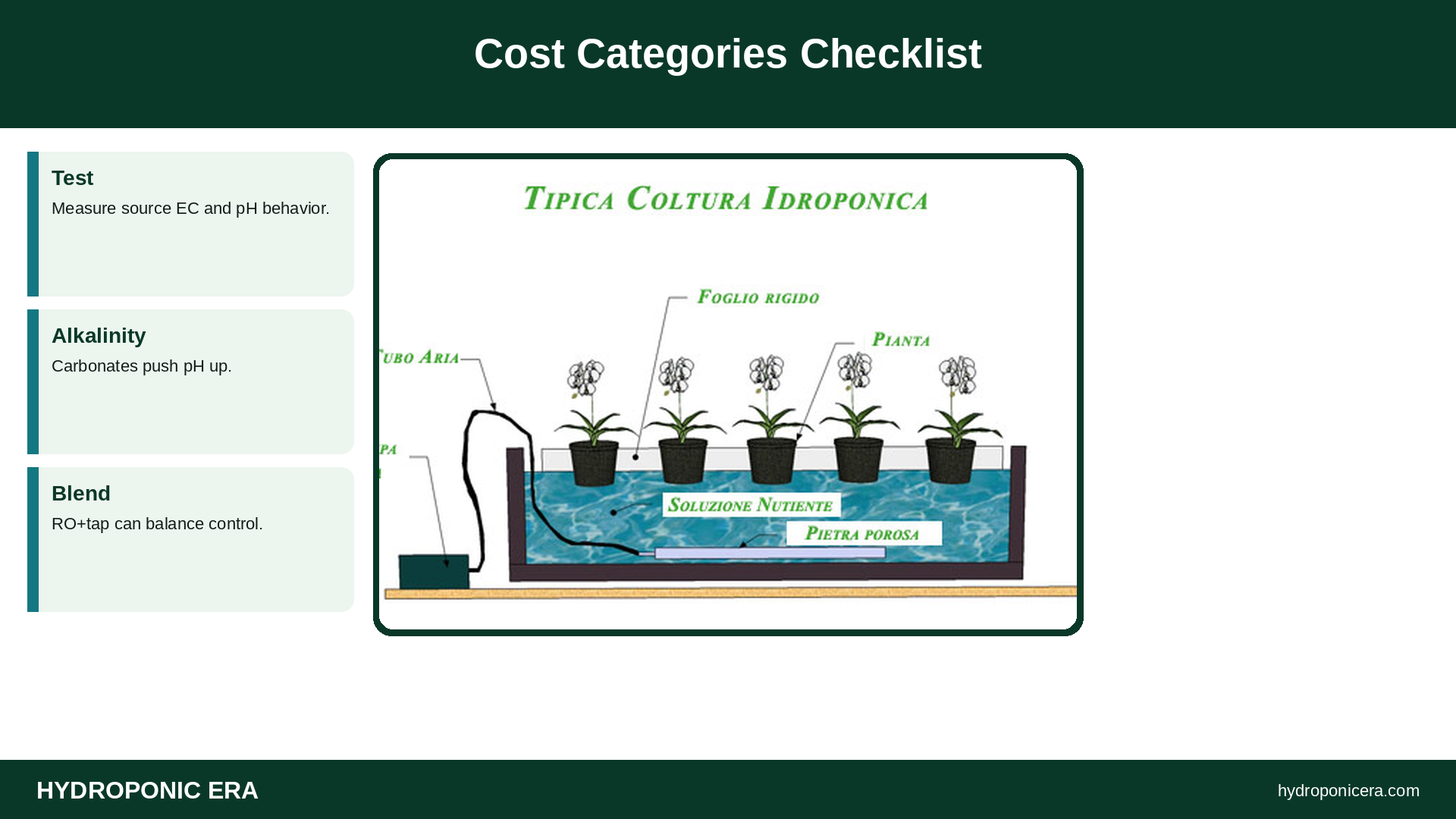
- Structure: jars, kits, trays, racks, tents
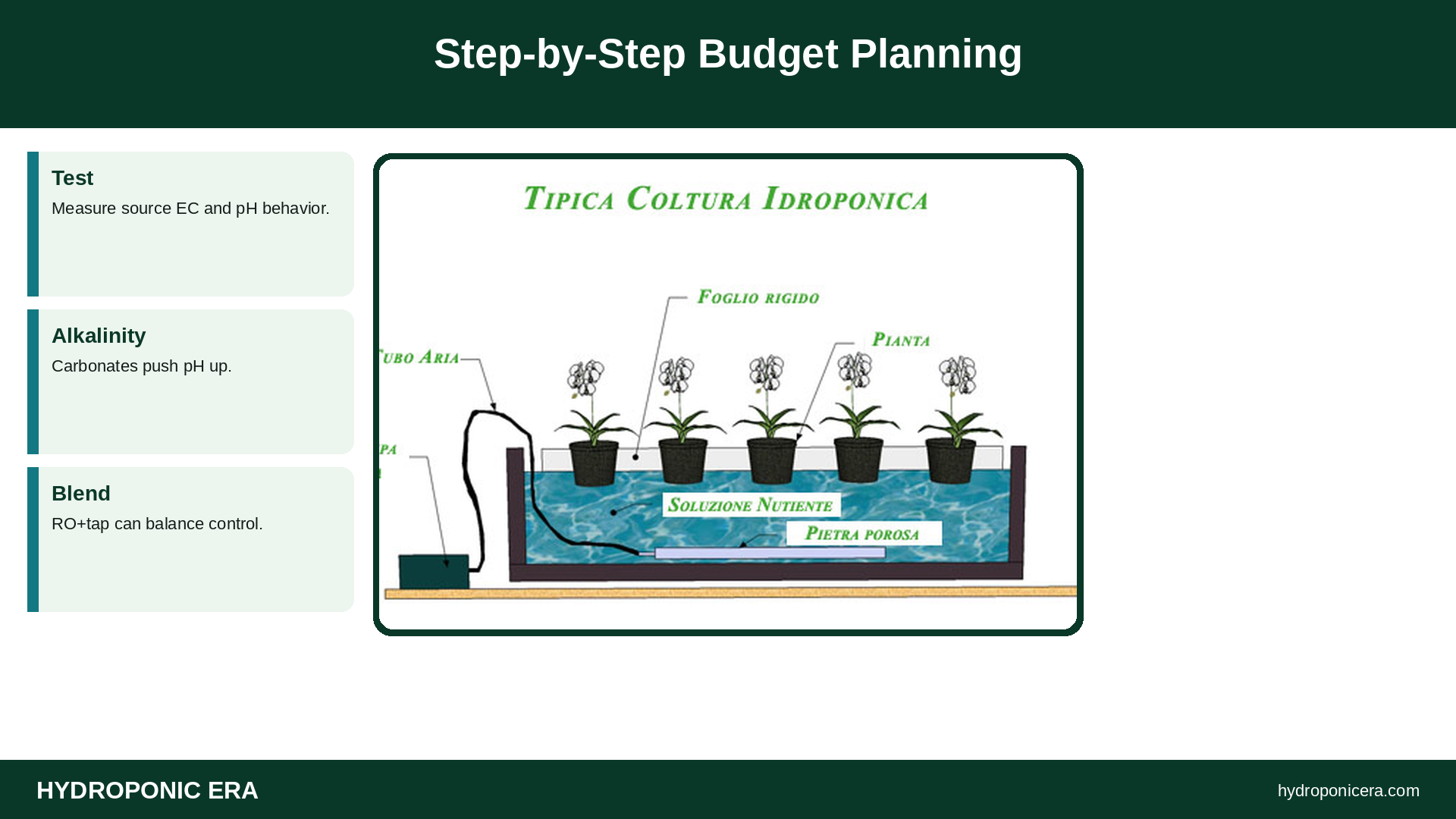
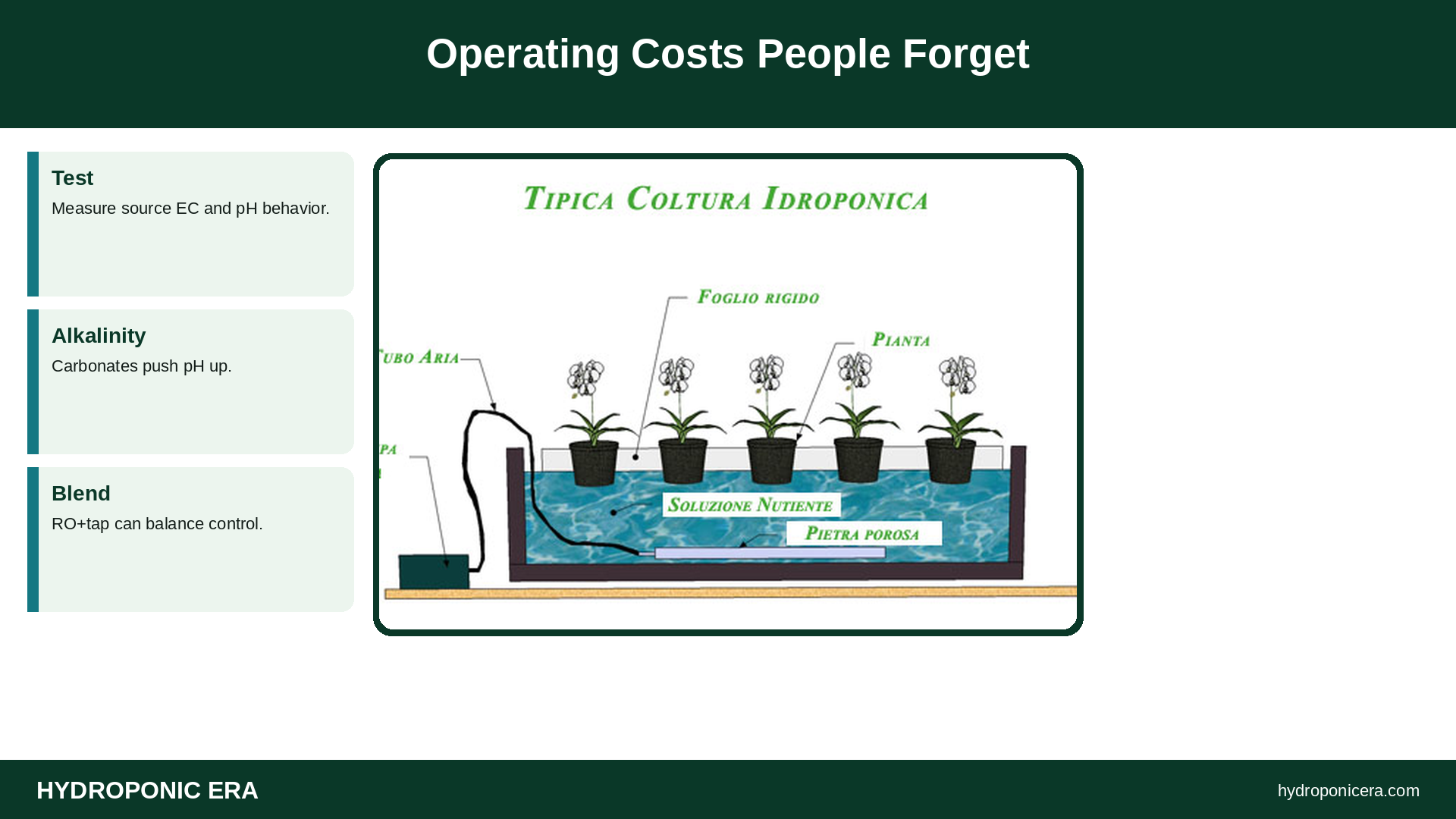
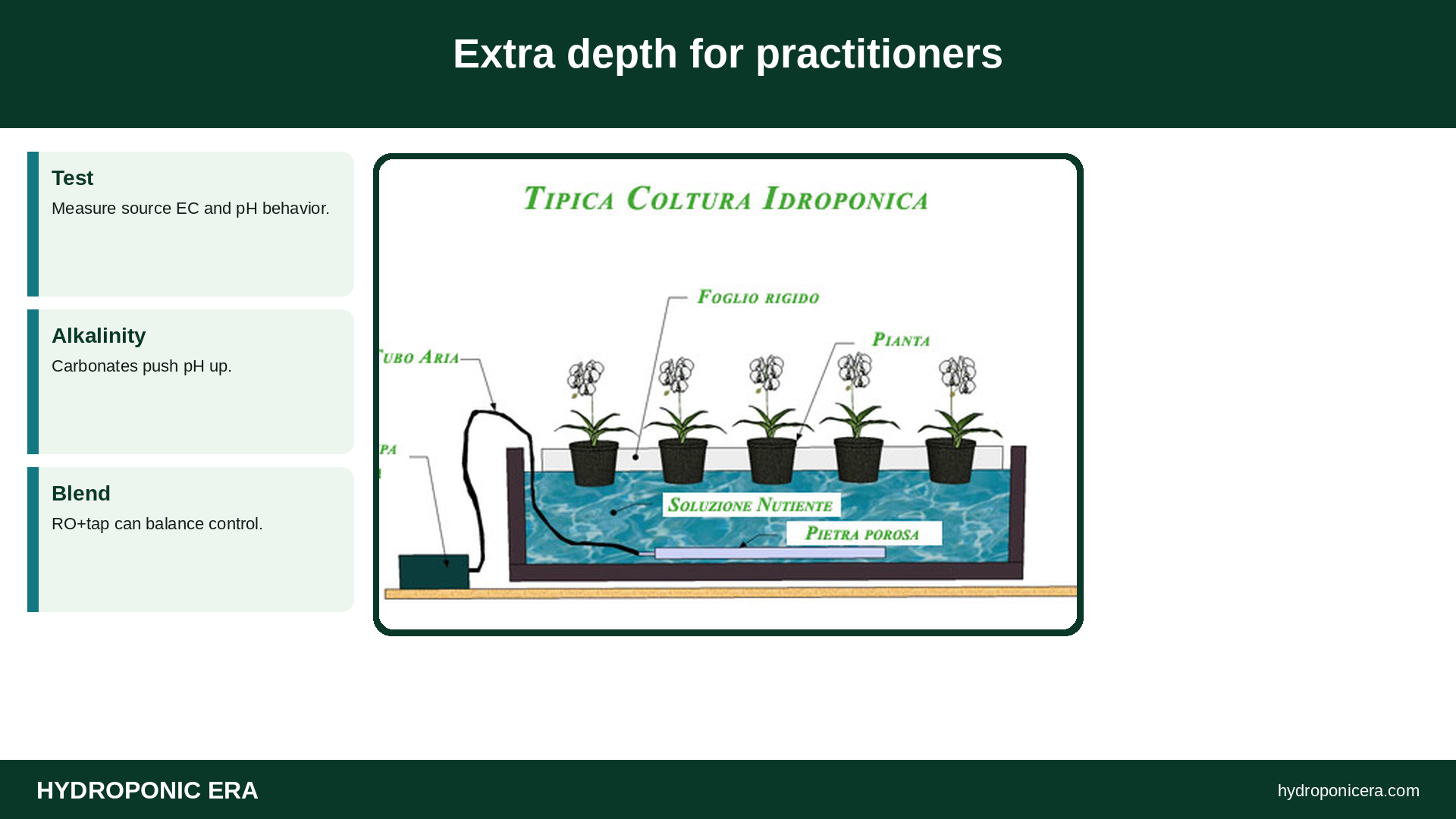
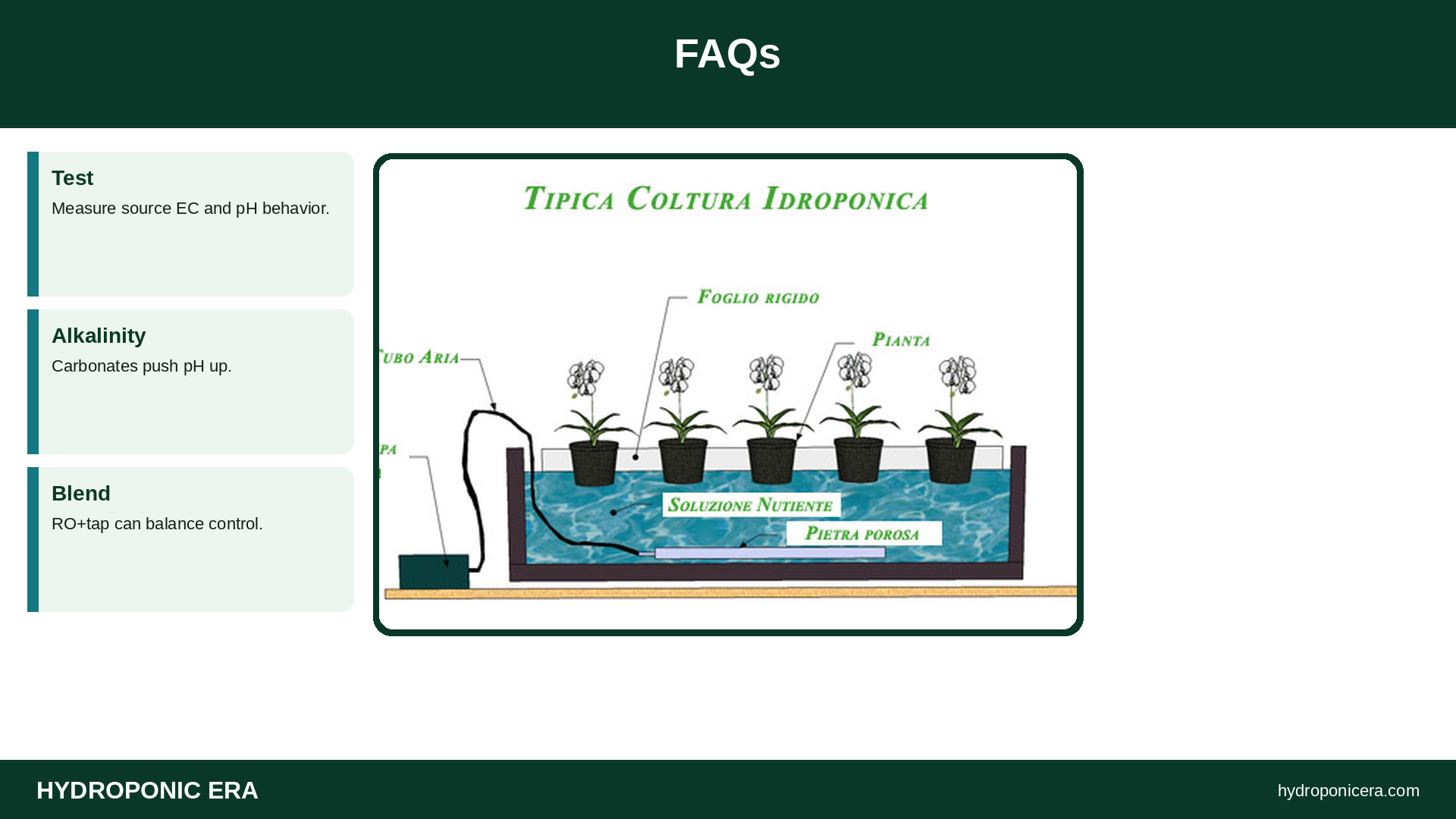
- Water system: reservoir, pump, tubing, air pump
- Media and pots: plugs, coco, pebbles, net pots
- Nutrition: complete fertilizer, pH up/down
- Measurement: pH/EC meters + calibration fluids
- Light: fixture, timer, hanging kit
- Climate: fans, humidity control if needed
- Power: electricity over months (track yourself)
- Consumables: seeds, replacements, cleaning supplies
- Contingency: 10–20% buffer for failures
What Beginners Overspend On
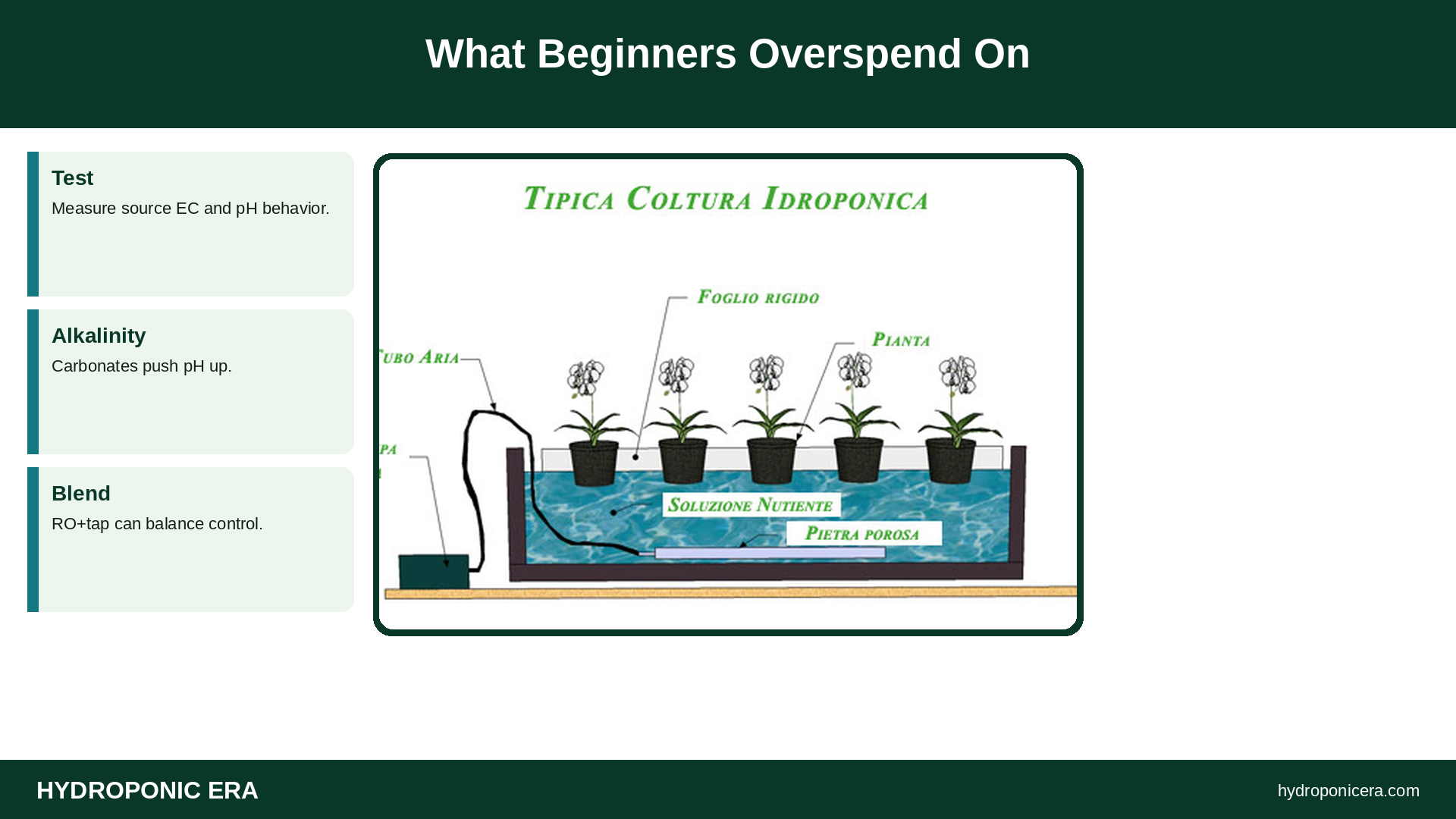
- Huge fruiting systems before surviving lettuce
- Additive bottles before a calibrated meter
- Decorative hardware that leaks
- Underpowered lights that waste months of nutrients
- Skipping spare air stones and timers
The HydroponicEra supplies and kit guides help prioritize. Meters article explains why calibration sachets belong in the cart on day one.
Step-by-Step Budget Planning
- Pick a first crop class (leafy vs herb vs fruiting).
- Pick a system that fits that crop (Kratky/DWC/NFT/ebb-flow/Dutch).
- List every category above with local price research.
- Buy measurement + light adequacy before exotic controllers.
- Run one full cycle; log actual electricity if possible.
- Only then expand plant count.
- If selling is a goal, read hobby vs commercial and selling locally before scaling spend.
Operating Costs People Forget
Nutrients, pH adjusters, seed, electricity, replacement probes, RO filters (if used), and time are real costs. A “cheap” system that dies from an uncalibrated meter is expensive. Oklahoma State’s EC/pH guidance is free education that protects paid equipment.
Water changes discard fertilizer—budget for it. Algae and disease resets cost media and time—hygiene saves money.
Extra depth for practitioners
If you are comparing kit vs DIY, price the silent extras kits omit: decent meters, backup pump, and light upgrades. If you are comparing hobby vs micro-commercial, remember compliance, packaging, and unsold product—not just channel length. The hobby vs commercial article exists specifically to slow expensive leaps.
Do not use fabricated yield-per-dollar charts from random blogs as financial plans. Track your own grams harvested per cycle and your own receipts.
Electricity for lights is often the largest recurring indoor cost. Virginia Tech’s DLI methods help you buy enough light without blindly oversizing.
Common Mistakes
- Scaling to 50 plants on day one
- Assuming grocery savings equal business profit
- Buying fruiting nutrients and tomato timers for basil jars
- No contingency for leaks upstairs
- Ignoring calibration consumables
Sample Spreadsheet Columns
Create columns: item, one-time cost, monthly cost, watts, hours/day, notes. Fill with your local currency. Add a “learning loss” line for the first cycle. After 90 days, compare estimated vs actual electricity and nutrient spend. That personal dataset is more valuable than any influencer’s claim.
If costs shock you, downsize lighting area or crop count before abandoning hydroponics entirely. Many beginners over-build tents for basil goals.
Revisit kit vs DIY after you know which parts failed. Sometimes paying for an integrated kit would have been cheaper than three incompatible DIY purchases.
Electricity Estimation Method
Add device watts, multiply by hours per day, multiply by days in the month, divide by 1000 for kWh, then multiply by your local rate. Include pumps and fans, not only LEDs. Re-measure with a plug power meter if you want higher accuracy. This single habit prevents fantasy budgeting.
FAQs
How much does it cost to start hydroponics at home?
Anywhere from a low DIY jar budget to a full tent build. Build a category spreadsheet for your market; this article will not invent a fake single price.
Is a kit cheaper than DIY?
Sometimes for time, not always for quality components. Compare meters and lights carefully.
Can I make money immediately?
Treat selling as a separate decision with compliance and consistency requirements—see selling locally and hobby vs commercial.
What is the first upgrade worth paying for?
Usually adequate light and reliable measurement after a working vessel exists.
Do I need RO on day one?
Only if water tests demand it. See hard water/RO guide.
Practice log and next steps
Keep a simple logbook for this topic: date, meter readings when relevant, what you changed, and what the plants did over the next three to seven days. Hydroponics rewards slow feedback loops more than frantic daily recipe rewrites.
When in doubt, return to calibrated pH and EC, root inspection, and light adequacy before buying another bottle. Extension hydroponic and plant nutrition resources emphasize fundamentals for a reason.
Link outward to the matching HydroponicEra cluster pages so readers can continue into systems, water, crops, or troubleshooting without dead ends. Internal links are part of topical authority, not decoration.
Sanitation and opaque reservoirs prevent many secondary problems that look like nutrient mysteries. Clean systems make diagnosis clearer.
If you sell produce or teach workshops, document procedures. Consistency protects customers and your future self.
Field notes
Price local electricity per kWh and estimate photoperiod hours for your fixture as a monthly line item. Ignoring power makes indoor budgets fictional.
Shared household purchases (fans, shelving) still count if they exist only for the grow.
Time is a cost: watering, mixing, and scouting hours matter if you later compare to buying produce.
A successful first crop on a small budget teaches more than an empty expensive rack.
Cycle-ready reminder
Readers evaluating this topic should also cross-check related HydroponicEra cluster articles on water chemistry, system choice, and troubleshooting so advice stays connected rather than isolated tips. Measure first, change one major variable at a time, and keep notes through at least one full crop cycle before declaring a method a failure. University extension hydroponic and plant nutrition pages remain the external evidence backbone whenever a claim needs grounding beyond grower habit.
Readers evaluating this topic should also cross-check related HydroponicEra cluster articles on water chemistry, system choice, and troubleshooting so advice stays connected rather than isolated tips. Measure first, change one major variable at a time, and keep notes through at least one full crop cycle before declaring a method a failure. University extension hydroponic and plant nutrition pages remain the external evidence backbone whenever a claim needs grounding beyond grower habit.
Sources
- Michigan State University Extension — Hydroponics as an agricultural production system
- Oklahoma State University Extension — Hydroponics
- Oklahoma State University Extension — Electrical Conductivity and pH Guide for Hydroponics
- University of Florida IFAS — HS1422: Growing Lettuce in Small Hydroponic Systems
- University of Florida IFAS — HS1421: Growing Herbs in Small Hydroponic Systems
- Virginia Cooperative Extension — SPES-720: Calculating and Using Daily Light Integral (DLI)
4 thoughts on “Cost to Start Home Hydroponics: Budget Frameworks (No Fake ROI)”