What is tote hydroponics? Tote hydroponics is a simple deep water culture system built from an opaque plastic storage tote. You fill the tote with nutrient solution, cut holes in the lid for net pots, add an air pump and air stone, and let plant roots hang in oxygenated water. It suits lettuce, herbs and other leafy greens.
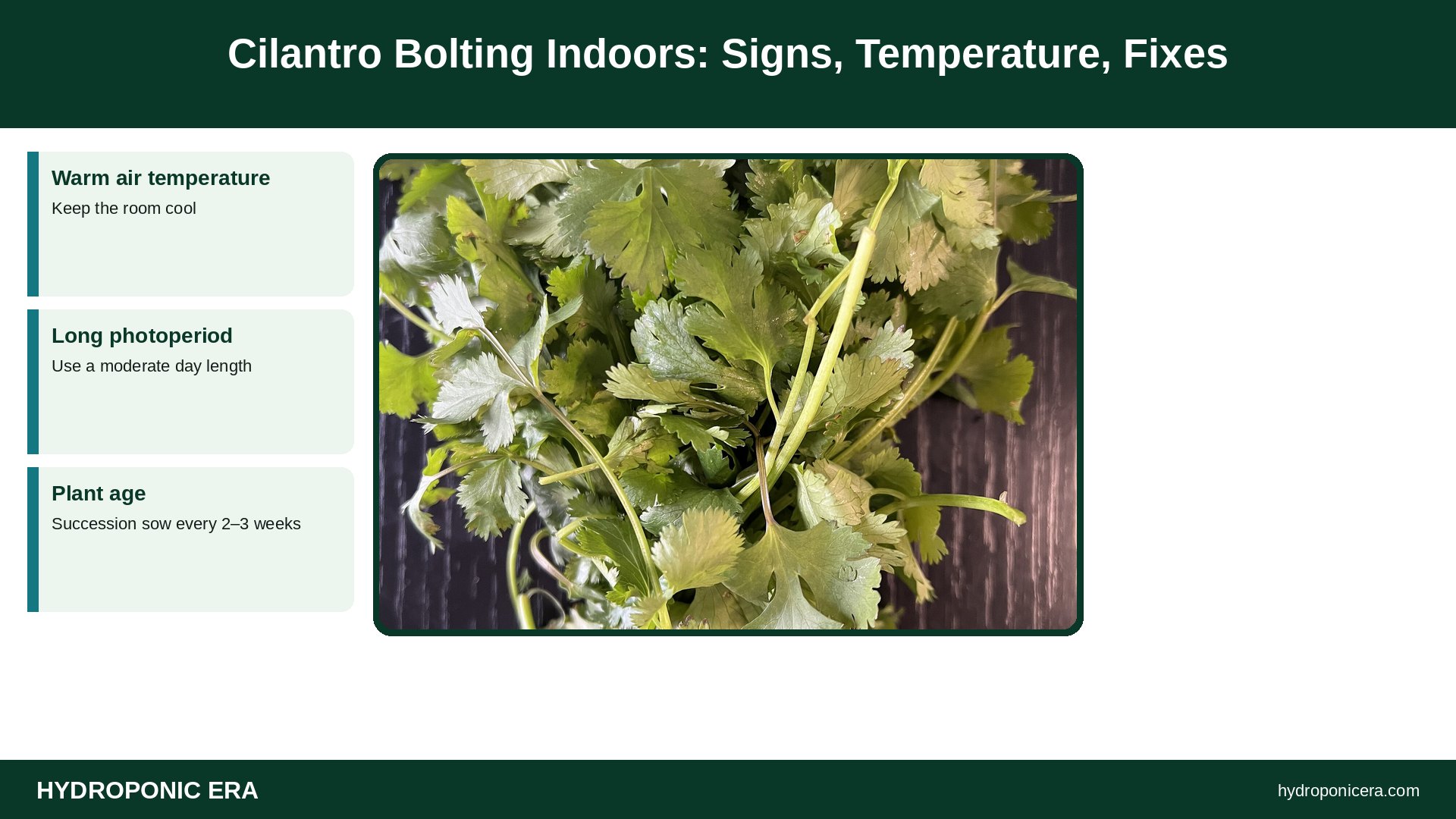
Cilantro bolting happens when the plant switches from making leaves to sending up a flower stalk, and it is triggered mainly by warm temperatures and long days. Once cilantro bolts, leaves become smaller, feathery, and more bitter. In hydroponics you can delay bolting by keeping air temperatures cool (roughly 50–75°F works best for leaf production), limiting the light period, choosing slow-bolt varieties, harvesting often, and sowing new batches every two to three weeks. You can’t stop bolting forever, because cilantro is a short-lived annual.
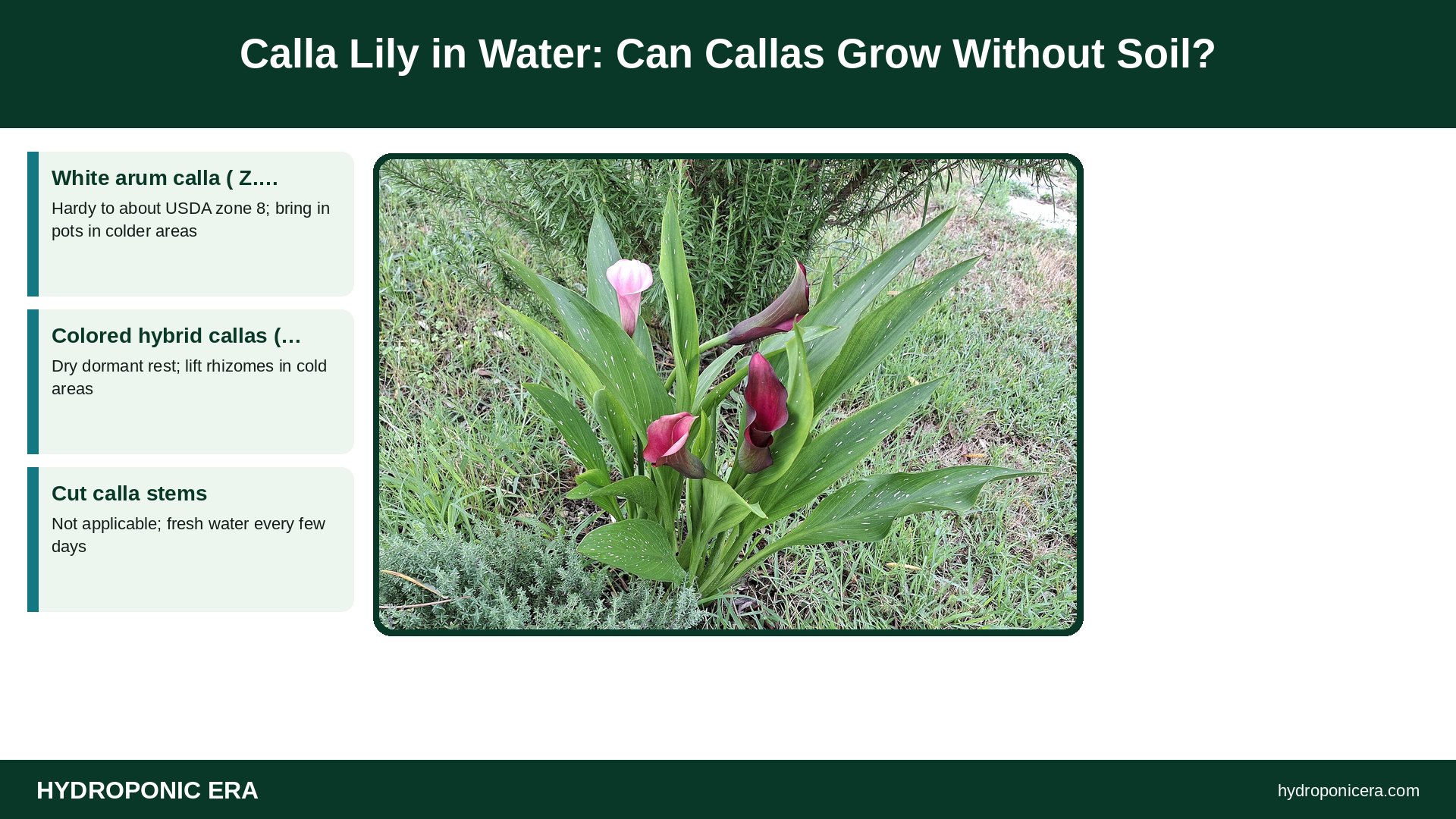
Can you grow calla lily in water? Yes, but only the right type. The white arum calla, Zantedeschia aethiopica , grows as a marginal water plant in up to 12 in (30 cm) of water, according to NC State Extension. Colorful hybrid callas need drained soil and a dry winter rest, so keep them out of standing water.
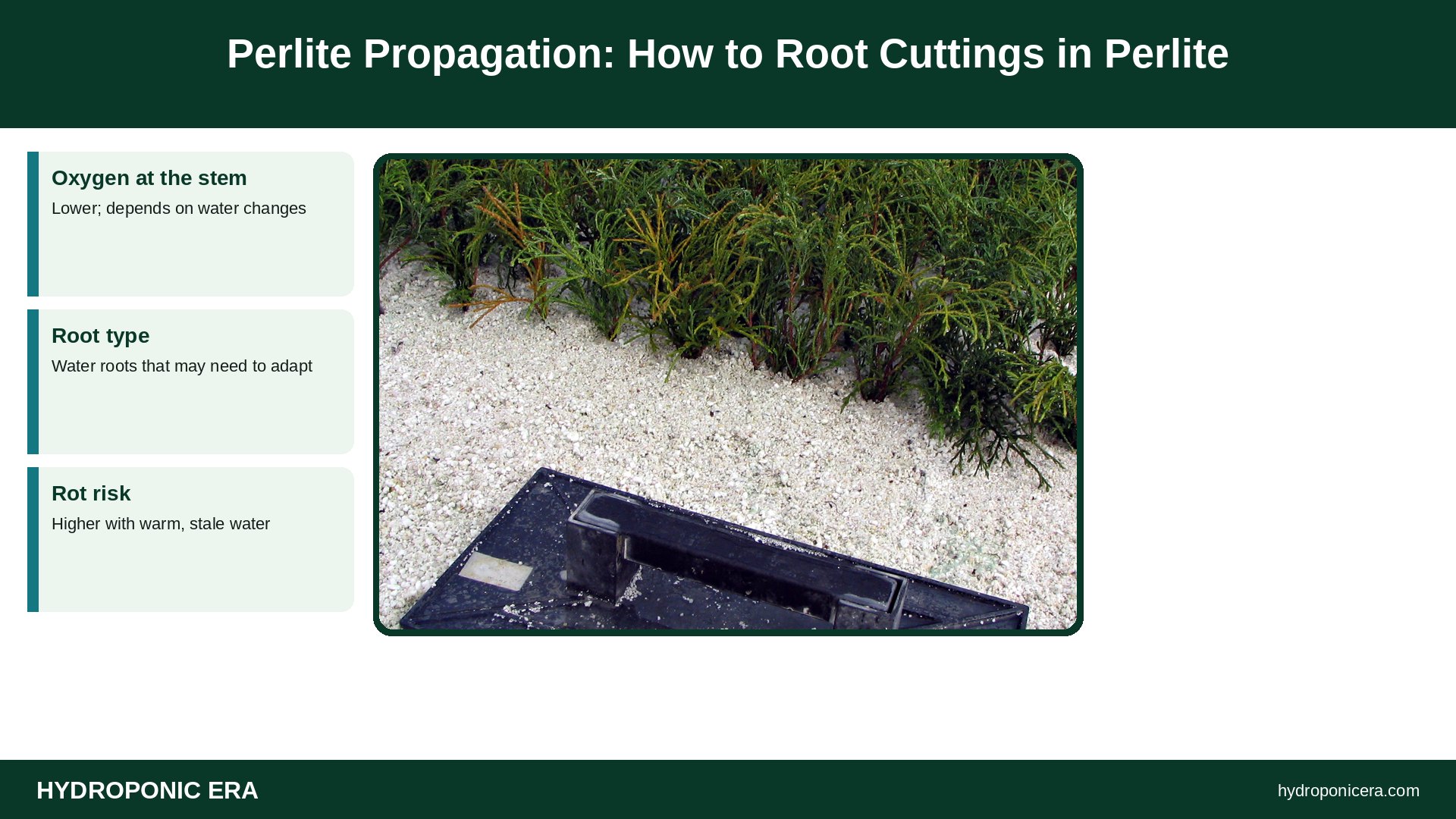
How does perlite propagation work? Perlite propagation means rooting stem cuttings in moist perlite instead of soil or water. Fill a pot with damp perlite, insert cuttings so at least one node is buried, cover them for humidity and keep them warm in bright, indirect light. Many houseplant cuttings root in 2–6 weeks.
Do grow lights for succulents work? Yes. Full-spectrum LED or high-output fluorescent grow lights for succulents work well indoors when you run them 12–16 hours a day. University of Minnesota Extension suggests fluorescent tubes 6–12 in (15–30 cm) above plants for 14–16 hours, while Iowa State notes LEDs often sit 12–24 in (30–60 cm) away.
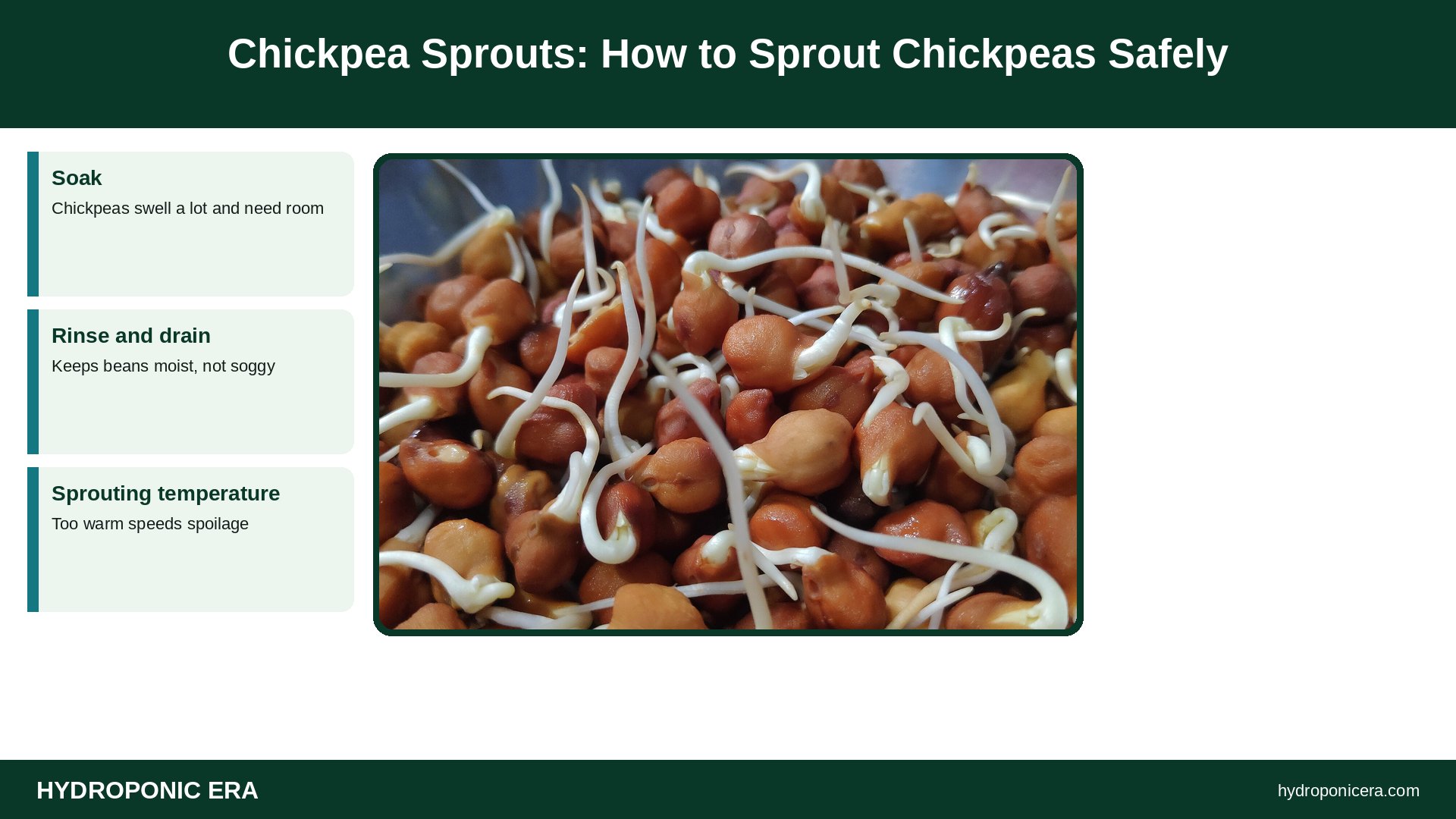
How do you make chickpea sprouts safely? Soak dried chickpeas 8–12 hours in cool water, drain, then rinse and drain them two or three times a day at room temperature. Short tails of 1/4–1/2 in (0.5–1 cm) appear in about 2–3 days. Refrigerate them right away, and cook them before eating if you are in a higher-risk group.
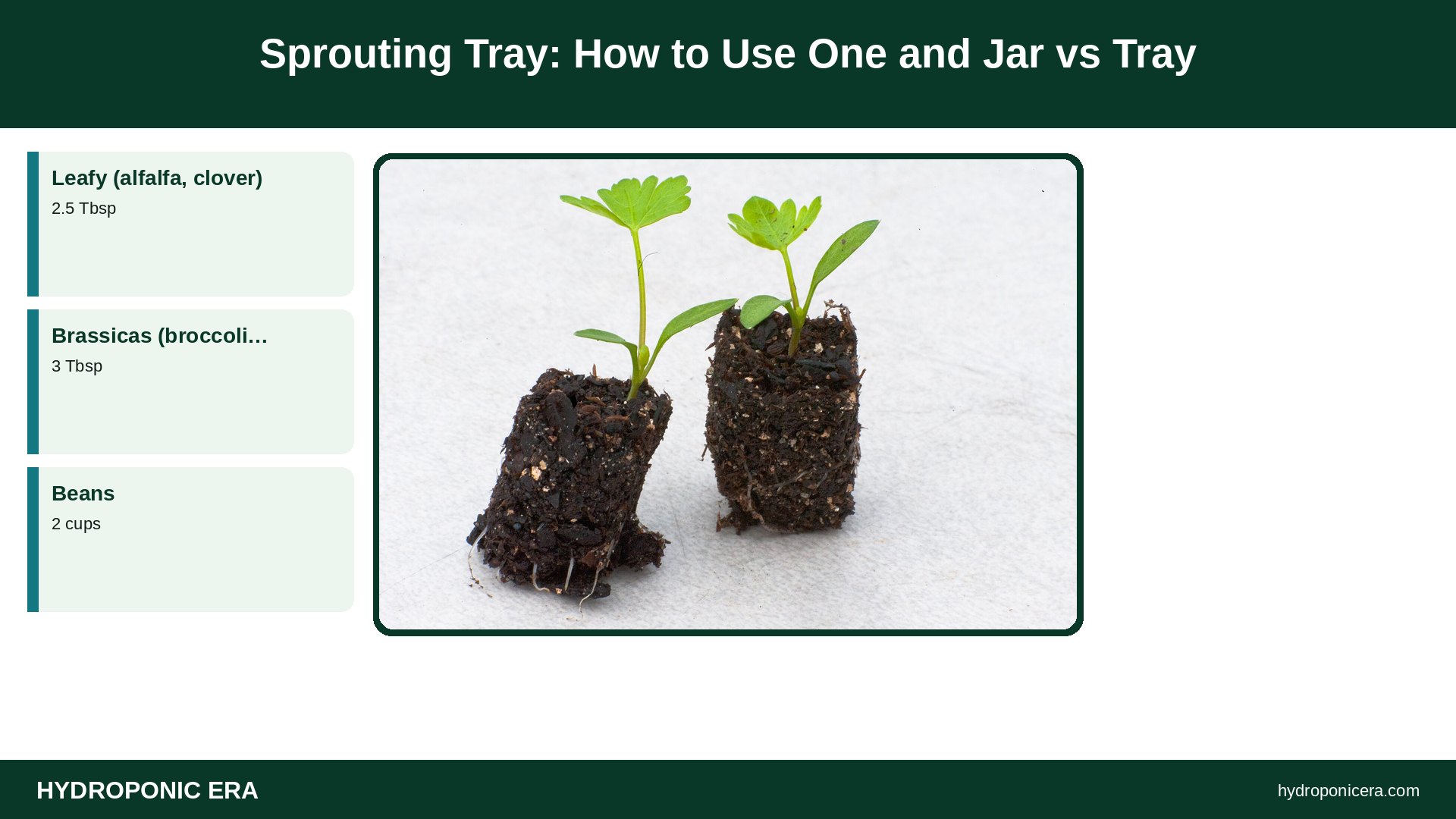
How do you use a sprouting tray? Soak seeds in a bowl first, then spread them in the tray’s mesh or slotted base. Rinse with cool 60–70°F (16–21°C) water every 8–12 hours until it runs clear, drain thoroughly, and keep the tray covered and out of direct sun. Uncover leafy sprouts once leaves appear so they green. Harvest in 3–7 days.
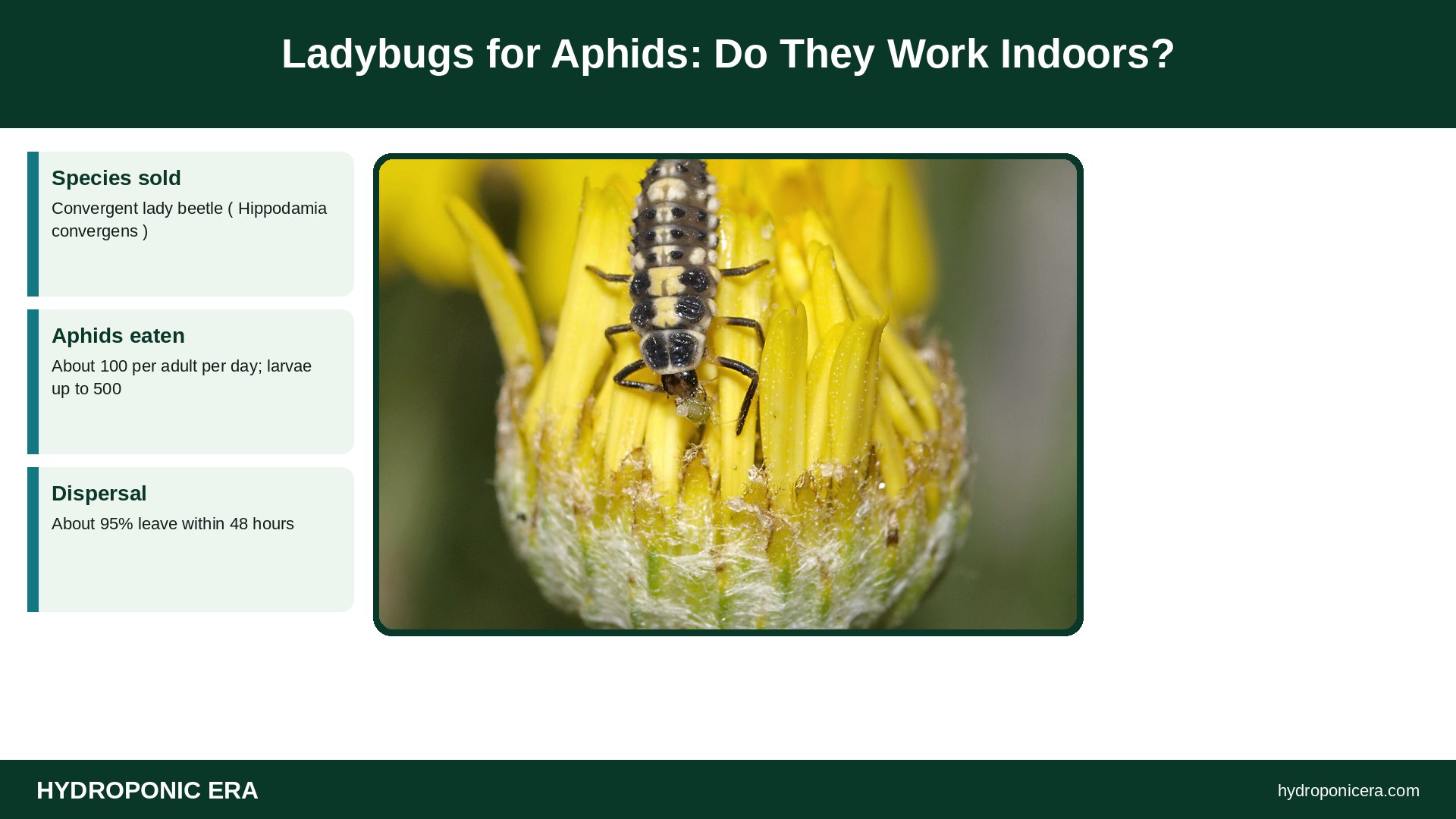
Do ladybugs for aphids actually work? They can, but only with enough beetles and good timing. Store-bought convergent lady beetles eat about 100 aphids a day each, yet most fly away within 1–2 days. Release them at dusk onto misted, aphid-infested plants, at the plant base. A heavily infested rose needed about 1,500 beetles per release in UC research.
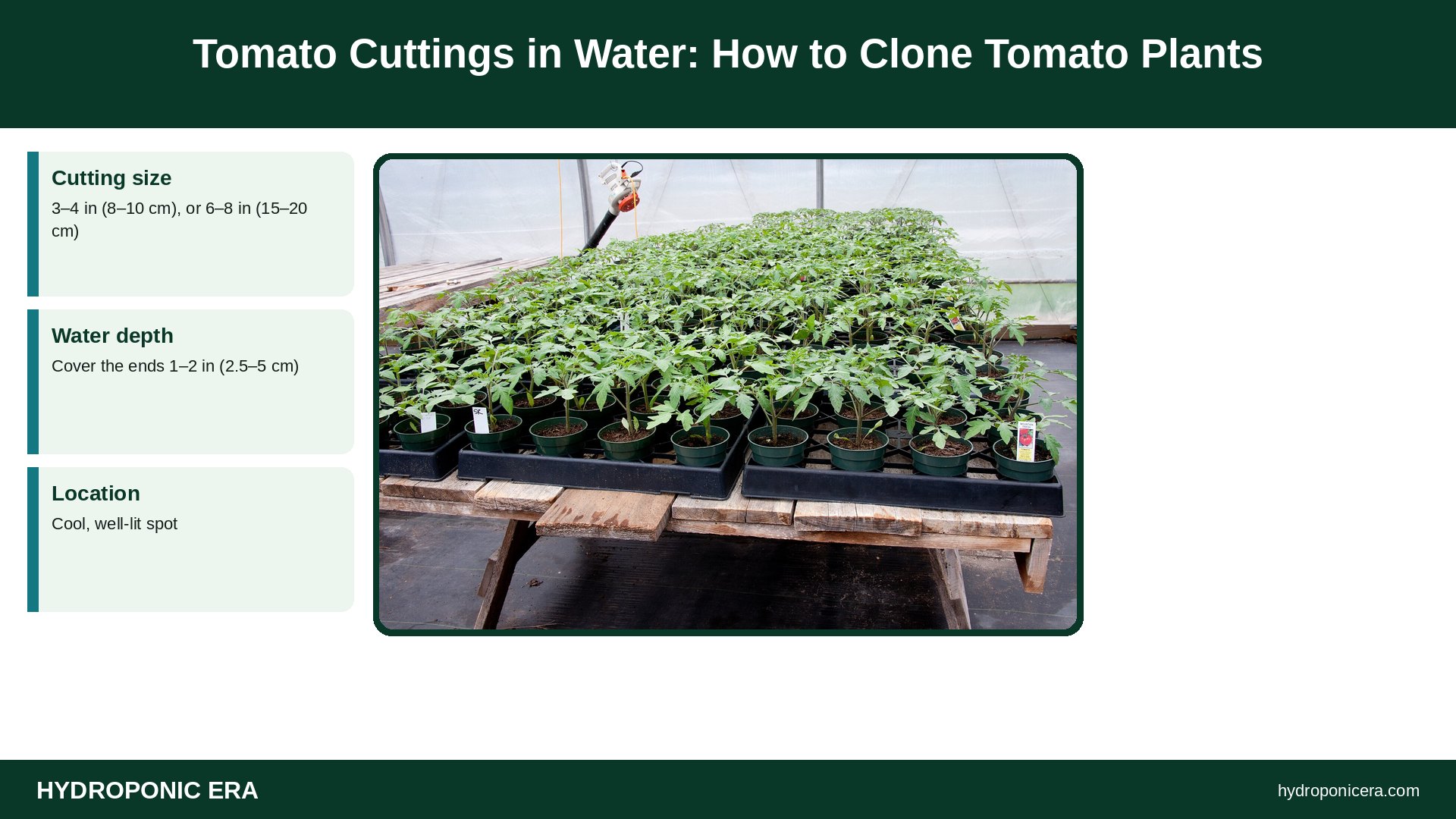
Can you root tomato cuttings in water? Yes. Tomatoes root easily from side shoots (suckers). Snip a healthy 3–8 inch (8–20 cm) sucker, strip the lower leaves and any flowers, and stand the stem 1–2 inches (2.5–5 cm) deep in a jar of water in bright, indirect light. Tomato cuttings in water usually show roots in about 3–7 days and can be potted a few days later.
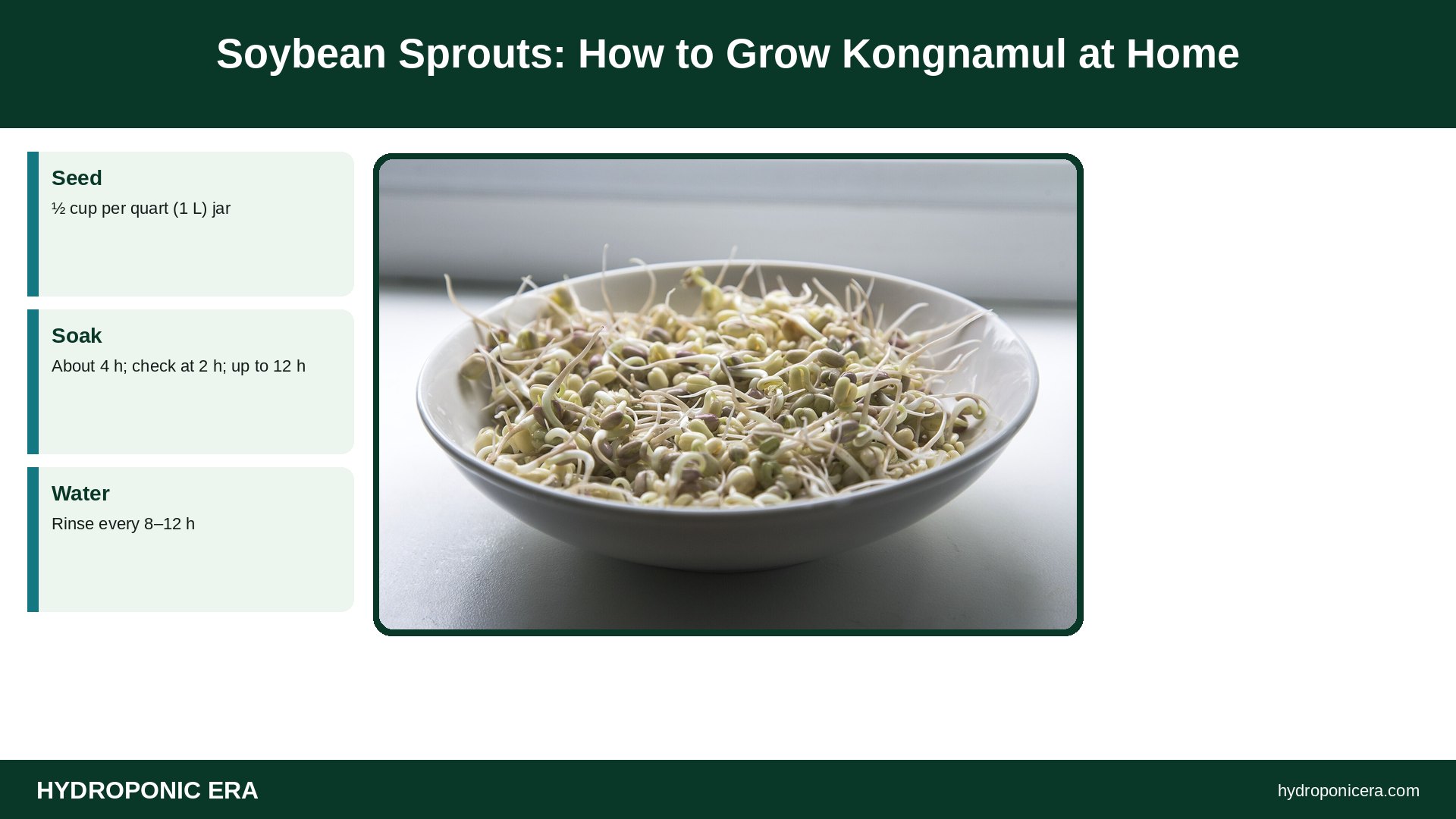
How do you grow soybean sprouts at home? Use small soybeans sold for sprouting. Rinse, soak until the beans soften (about 4 hours for short sprouts, up to 24 hours for Korean kongnamul), drain, and keep them dark. Water or rinse often and drain well. Short soybean sprouts are ready in 2–6 days; long kongnamul reaches about 4 inches (10 cm) in 4–6 days. Cook before eating.