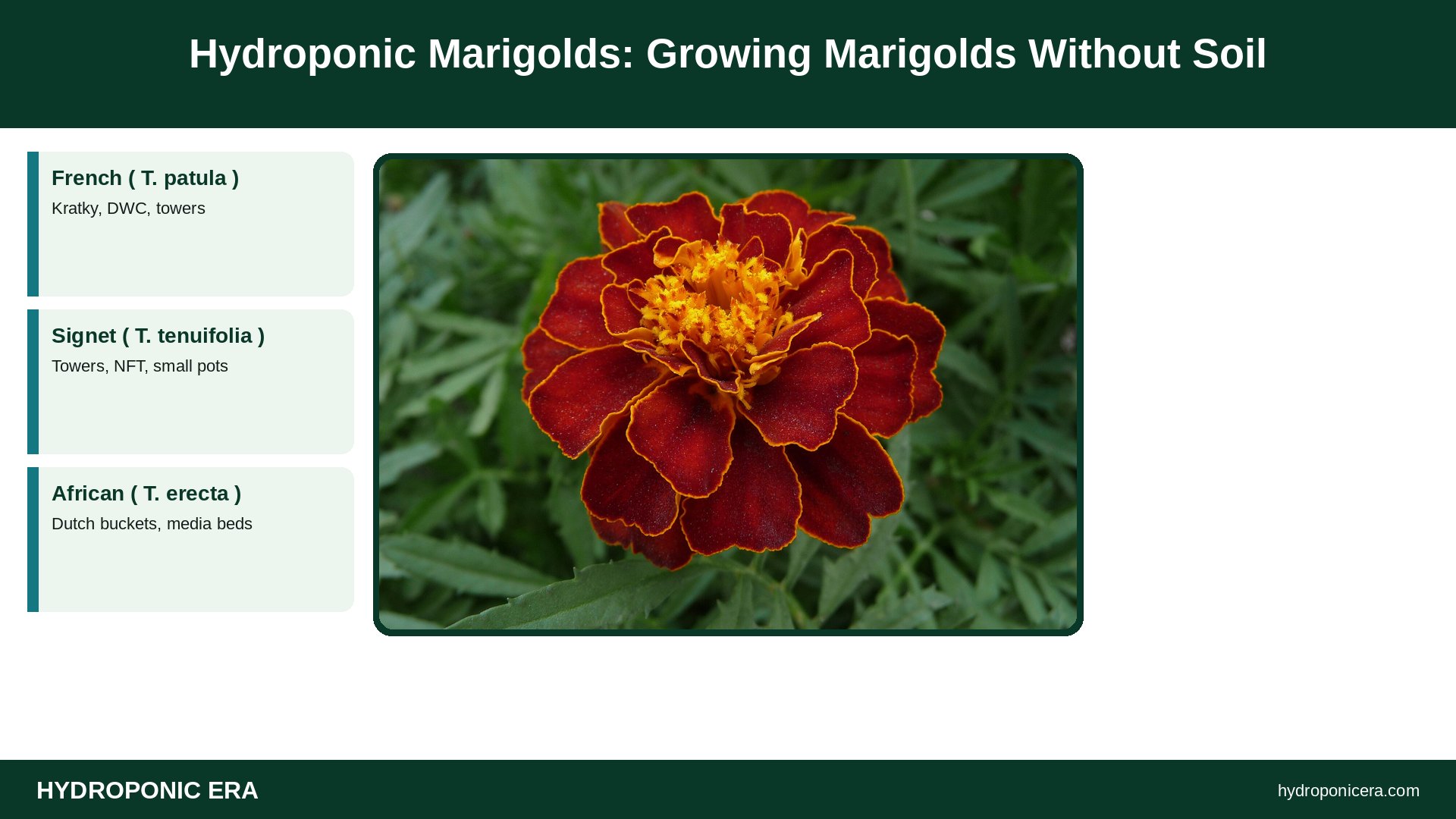
Hydroponic marigolds grow easily in most systems, from Kratky buckets to Dutch buckets and media beds, as long as they get full sun or strong grow lights. Marigolds ( Tagetes ) are fast annuals that germinate in about a week in warm conditions and bloom for months with deadheading. North Carolina State Extension lists African marigold ( Tagetes erecta ) as a full-sun annual, and UF/IFAS notes signet marigold seed germinates in about one week at 70–75°F. Compact French and signet marigolds are best for small indoor systems; tall African marigolds need deeper media and support.
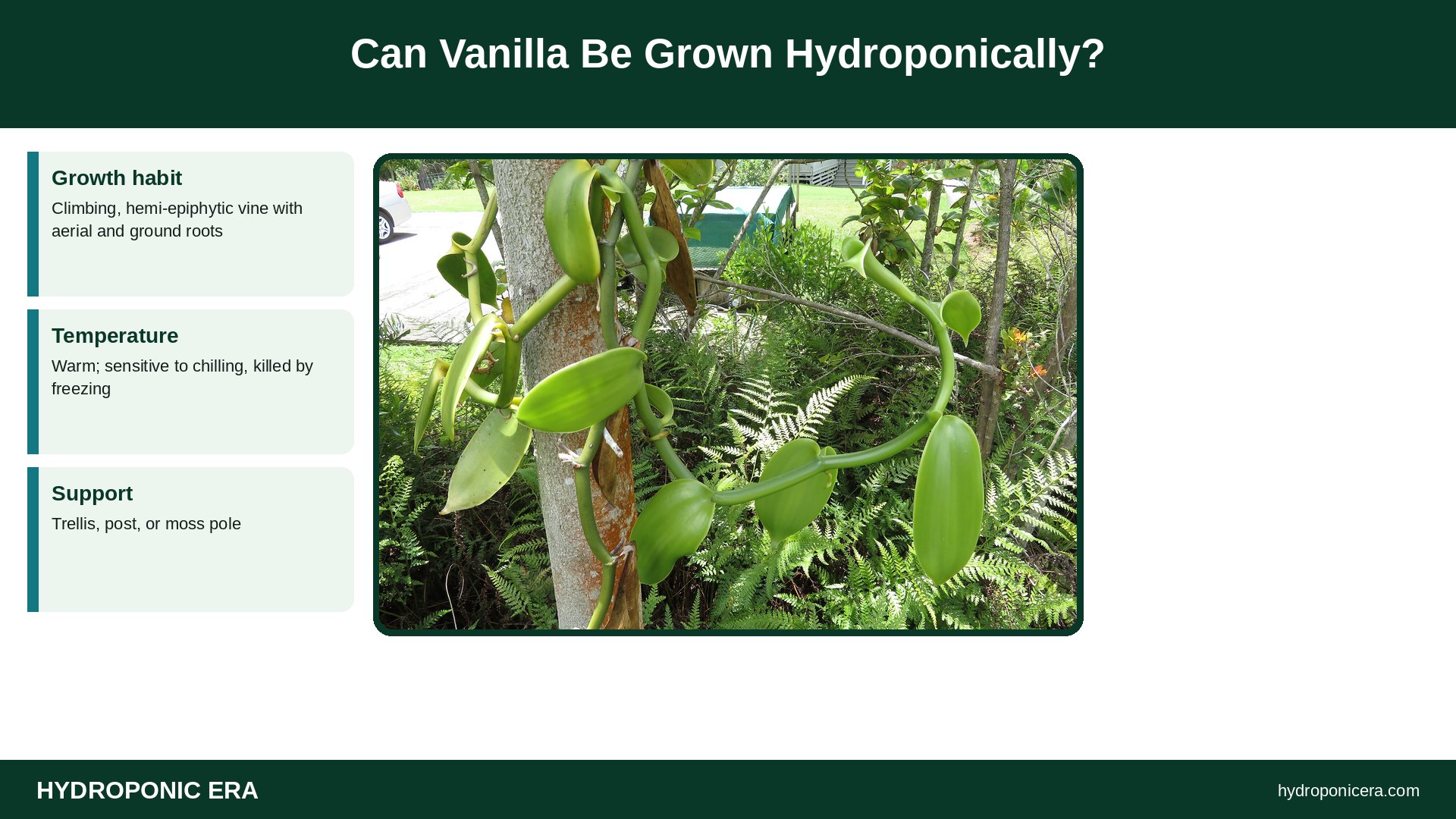
Can vanilla hydroponics work? You can keep a vanilla orchid ( Vanilla planifolia ) alive and growing in a semi-hydroponic setup, such as clay pebbles (LECA) with a reservoir, much like other orchids. But growing vanilla for beans at home is a long project, hydroponic or not.
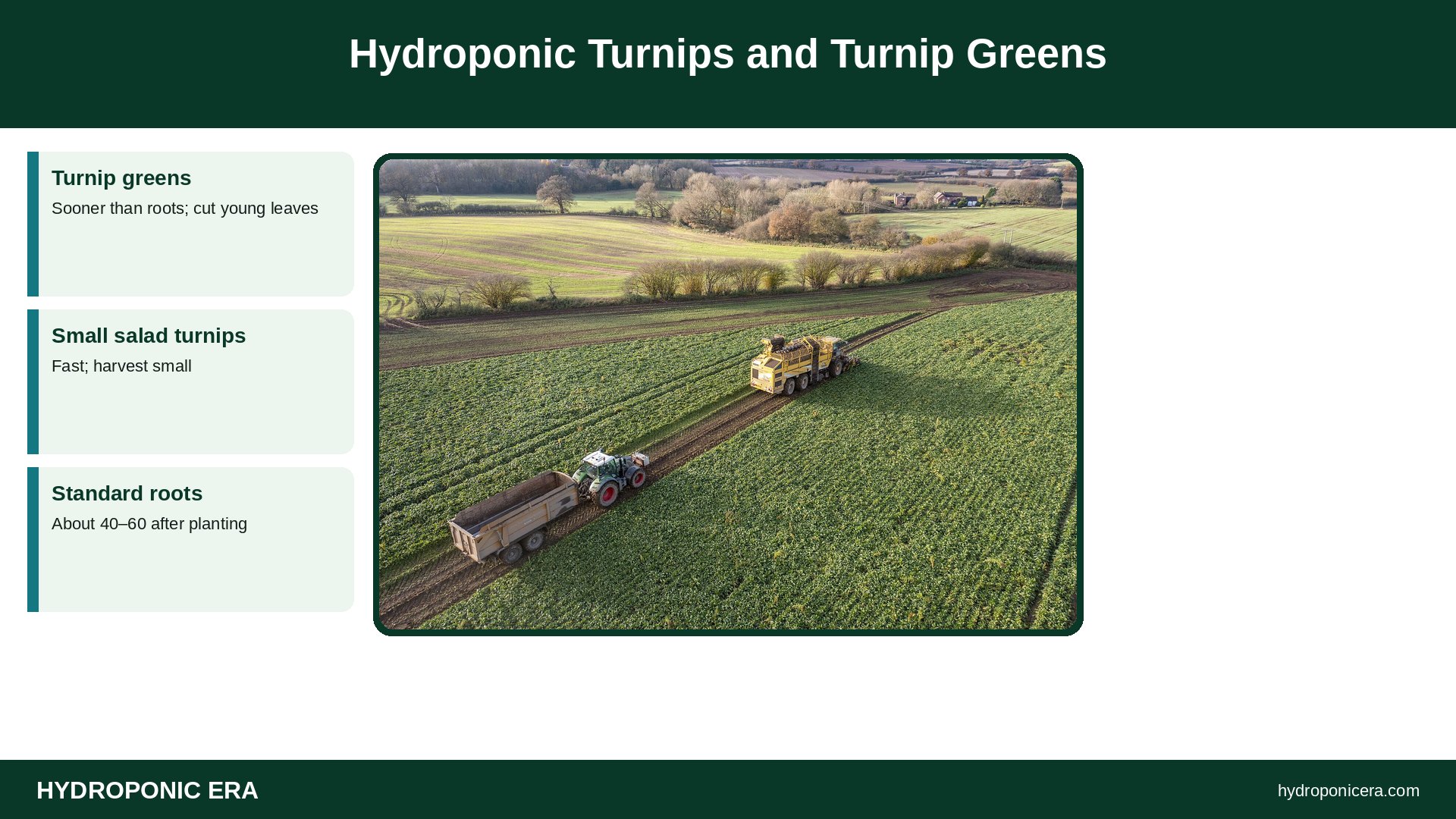
Hydroponic turnips are easy if you grow them for greens, and possible for roots with the right system. Turnips are a fast, cool-season crop: Texas A&M AgriLife lists turnips as a cool-season crop harvested about 40–60 days after planting, and notes temperatures above 75°F reduce yield and quality. Greens can be cut sooner. For greens, any lettuce-style system works, including raft, NFT, or Kratky. For roots, use a deep media bed or Dutch bucket filled with perlite, coco, or a perlite-vermiculite mix so the root has something to swell in and stays out of standing water.
Hydroponic tulips are grown by chilling bulbs, then setting them on trays or vases with their base just touching water or a dilute calcium nitrate solution until they root and bloom. It’s a real commercial method: Cornell University’s flower bulb program notes that about 30–35% of the Dutch cut tulip crop is forced hydroponically. The key is cold. Cornell describes giving dry bulbs about 75–80% of their cold requirement first, often 12–14 weeks depending on the cultivar, then rooting them in water at about 40°F for 2–4 weeks before moving them to warmth to flower, about three weeks later.
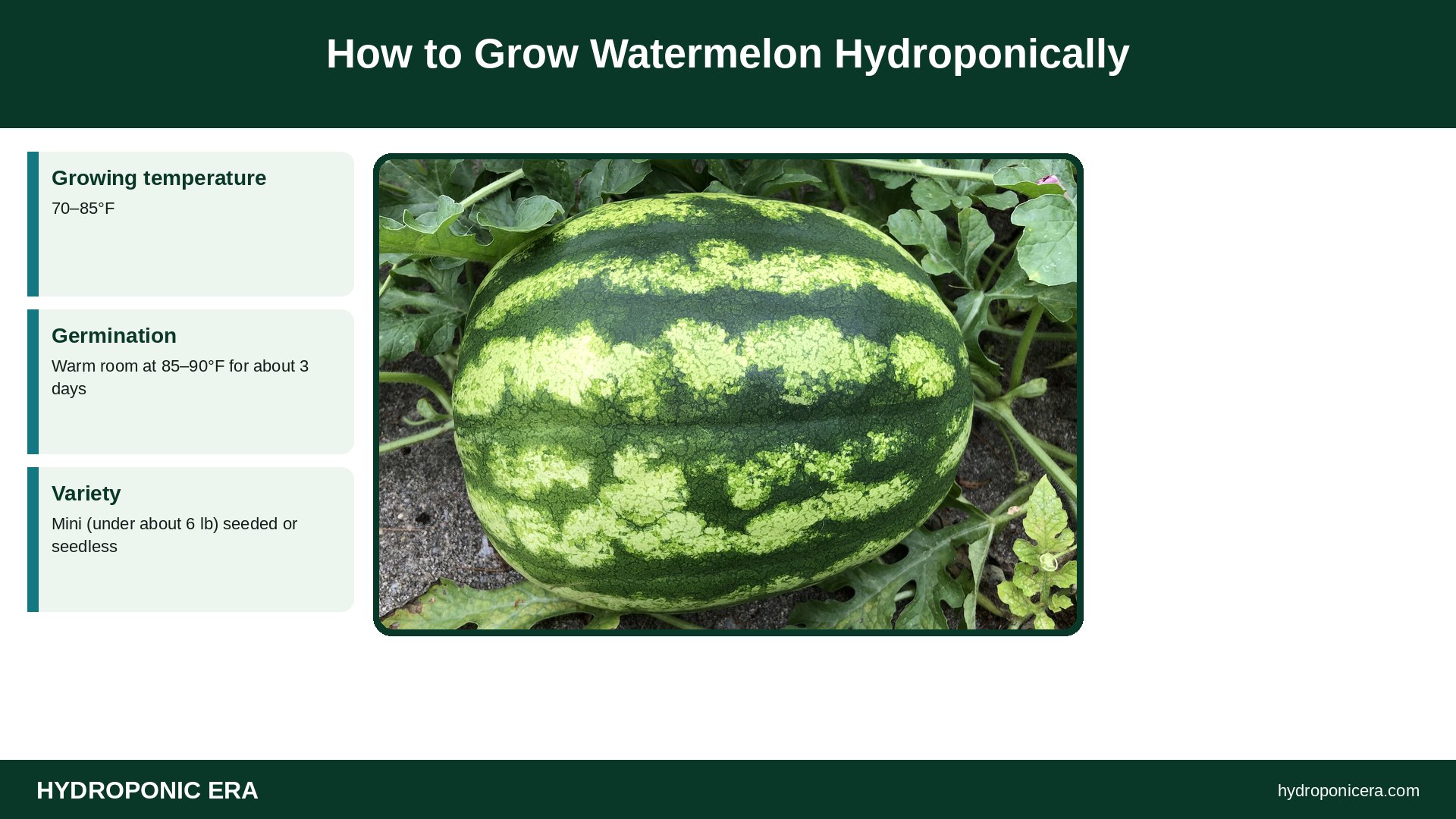
Hydroponic watermelon is possible in a greenhouse, high tunnel, or large indoor space if you grow compact personal-size varieties vertically on a trellis, support each fruit in a sling, and hand-pollinate. Use a large media-based system such as Dutch buckets with perlite or coco, rather than small channels, because vines grow big and roots need room. University of Missouri Extension gives 70–85°F as the optimal growing temperature for melons and watermelons and notes trellising allows higher plant populations in protected structures. Mini watermelons under about 6 pounds, such as seeded ‘Sweet Beauty’ or seedless minis, suit vertical growing best.
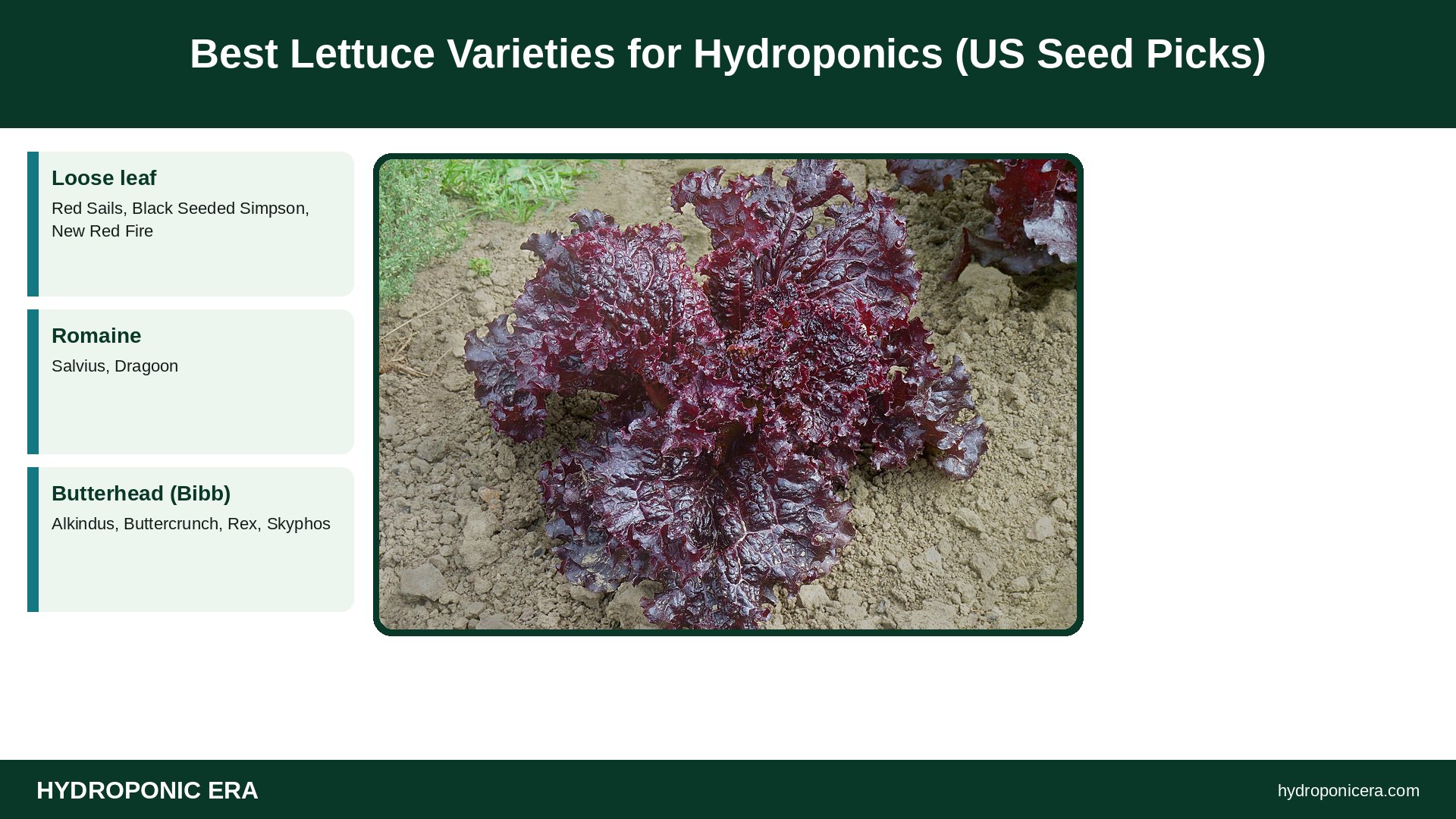
The best lettuce varieties for hydroponics depend on your system and your room temperature, but leaf and romaine types usually give the highest yields, butterheads give the softest texture, and heat-tolerant, slow-bolting cultivars matter most in warm US summers. A Purdue University trial of 24 lettuce varieties in NFT and floating systems found leaf and romaine groups produced higher yields overall, with ‘Red Sails’ (leaf), ‘Salvius’ (romaine), ‘Salanova’ (oakleaf), and ‘Alkindus’ (butterhead) topping their groups. Choosing lettuce varieties by type, heat tolerance, and tipburn resistance is the fastest way to better harvests.
Bay laurel (Laurus nobilis), the source of culinary bay leaves, can be grown indoors and even in a soilless, hydroponic-style setup, but it is a slow woody shrub, not a fast herb. Cuttings root slowly, plants grow only a few inches a year indoors, and they prefer a well-drained root zone with air around the roots. For most US growers outside the mild-winter zones, the practical approach is a container bay laurel in a soilless mix or semi-hydro medium, brought indoors for winter and harvested a few leaves at a time.
You can grow cucamelon hydroponically with the same basic setup you’d use for cucumbers: a drip, Dutch bucket, or deep water culture system, a trellis, warm temperatures, and lots of light. Cucamelon (Melothria scabra), also called mouse melon or Mexican sour gherkin, is a fast vine native to Mexico and Central America that produces grape-sized fruits with a lemony cucumber flavor. Penn State Extension notes the vines can reach about 10 feet, so plan for vertical support.
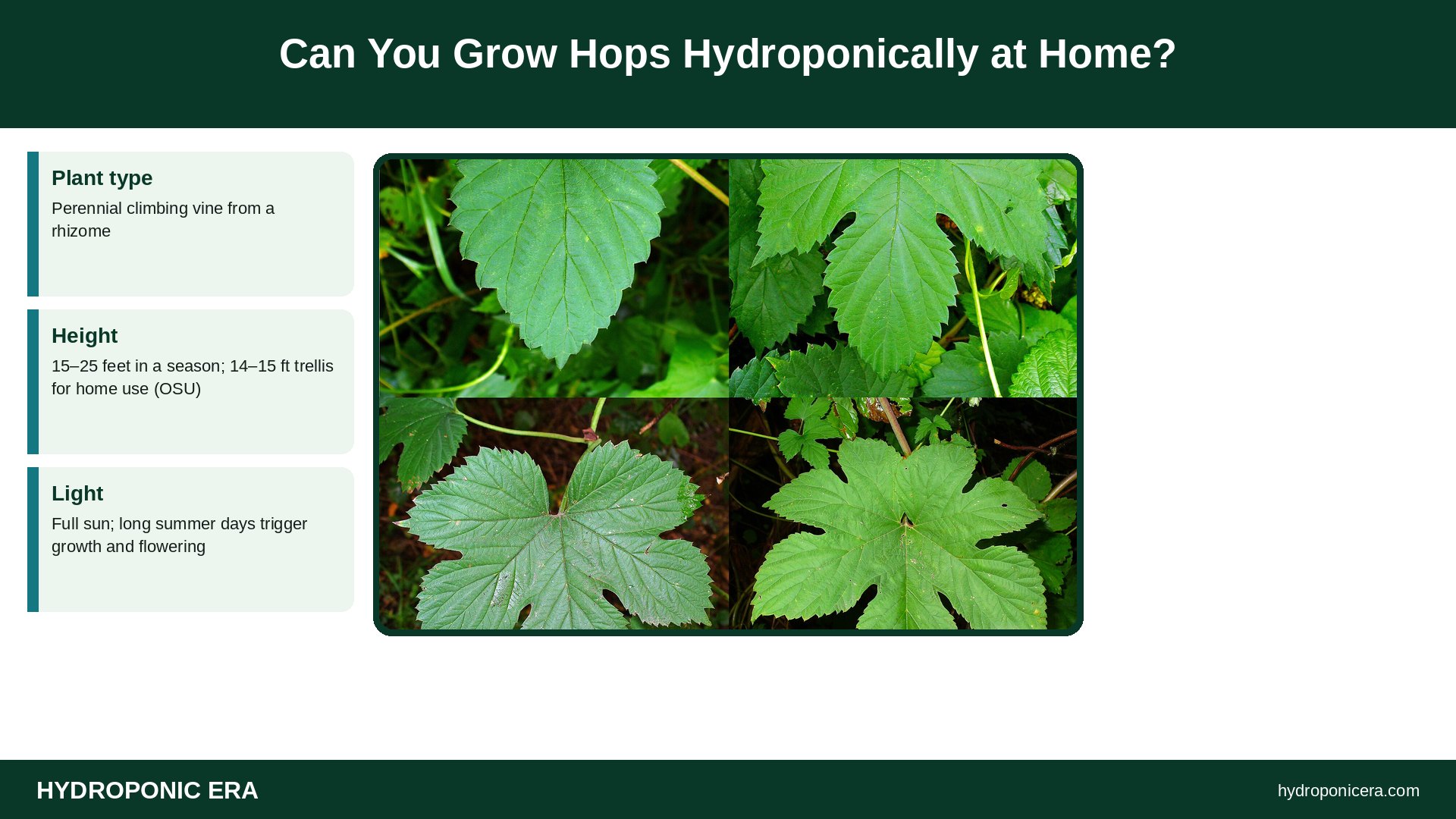
You can grow hops hydroponically at home, but they are a big, demanding plant. Hops (Humulus lupulus) are perennial vines that climb 15–25 feet in a season, want long days and full sun, and only produce their brewing cones on female plants after the root system is established. Oregon State University Extension notes that a 14–15 foot trellis is enough for home use and that plants usually reach full production in their second or third season. A hydroponic system can feed hops well, but you still need height, light, and a winter rest.
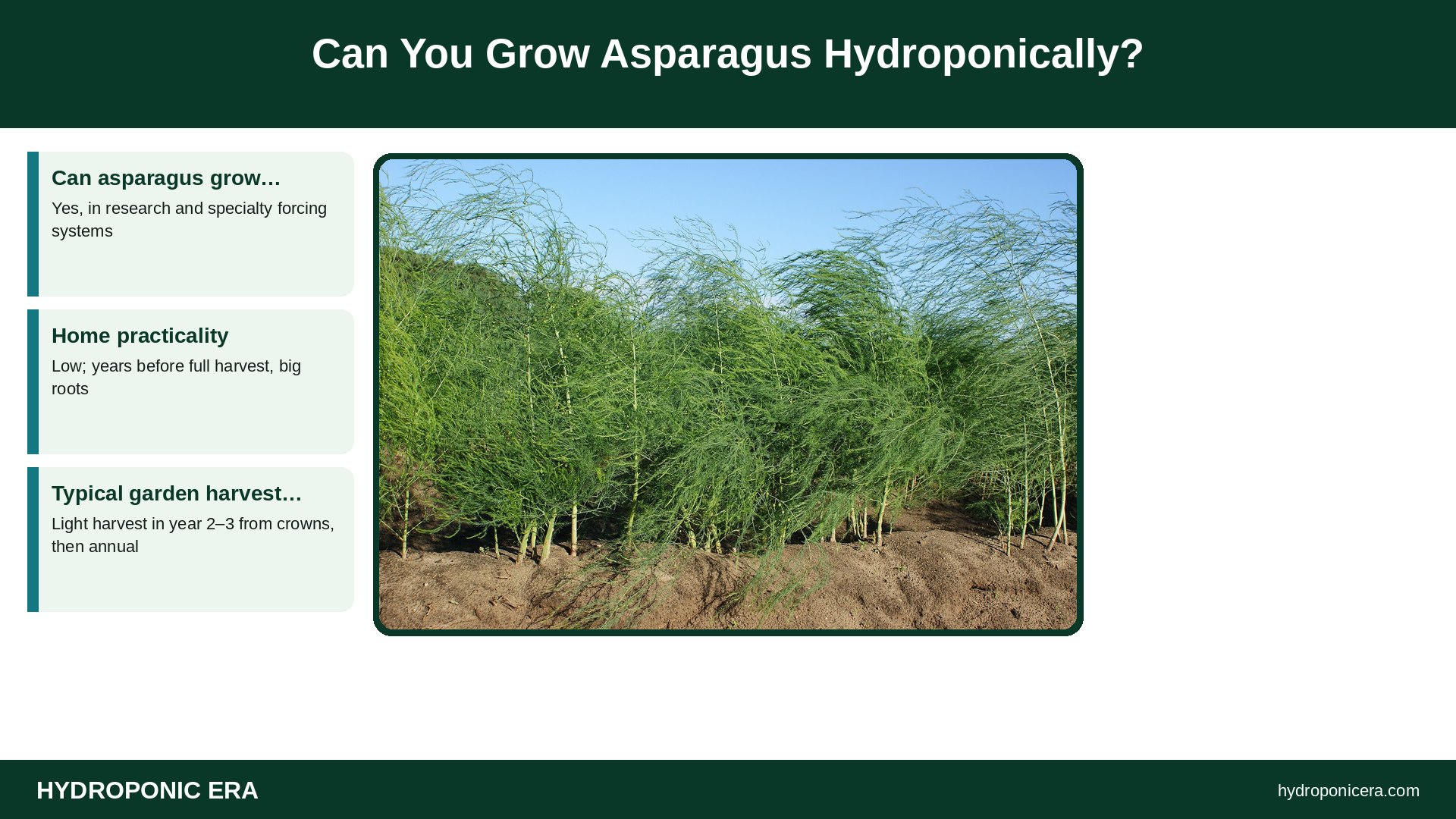
You can grow asparagus hydroponically, but it is one of the least practical crops for a home system. Asparagus is a long-lived perennial that builds a large crown and storage roots for two to three years before a good spear harvest, and each crown wants a lot of root space. Researchers have grown asparagus in hydroponics and soilless containers, including forcing white spears in dark climate rooms in Belgium, but for most US home growers, a garden bed or large container outdoors makes far more sense.