Which koi pond plants survive koi? Koi pond plants survive best when they are protected or placed where koi cannot reach them: water lilies in heavy, rock-topped pots, marginals on shallow shelves, and filtering plants in a separate bog bed. Kansas State University Extension notes koi burrow, eat and uproot potted plants, so protection matters more than variety.
How do you grow anacharis? Anacharis, sold as Brazilian elodea, grows in tanks with modest light and fish waste for food. Plant stems in gravel or let them float, keep the light moderate rather than intense, and trim often. It is invasive in US waterways and banned in several states, so keep it indoors and trash all cuttings.
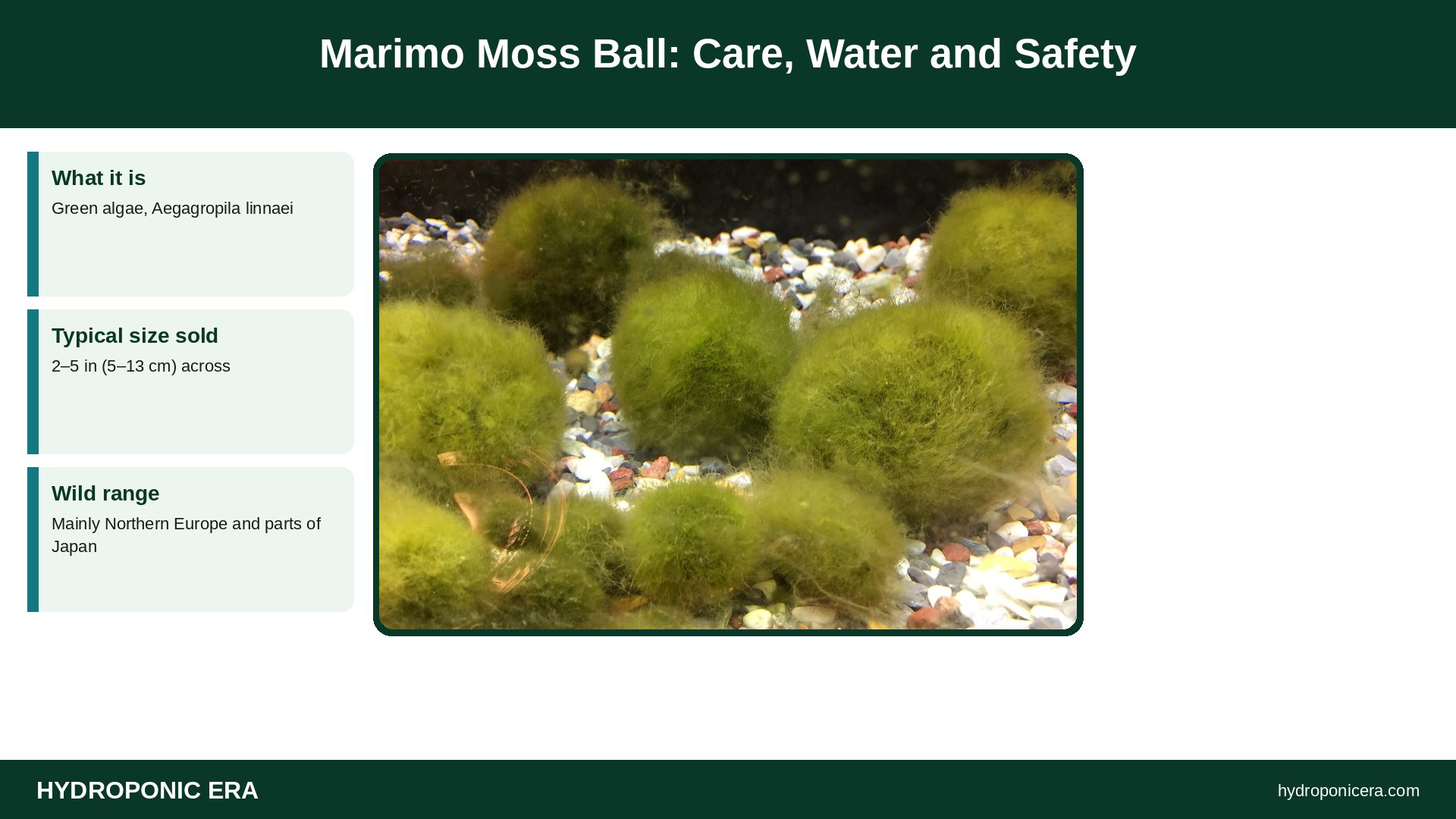
How do you care for a marimo moss ball? A marimo moss ball is a round colony of green algae, not moss. Keep it in cool, dechlorinated water out of direct sun, change the water every week or two, and roll it gently now and then. Inspect new balls for zebra mussels, which were found in imported marimo in 2021.
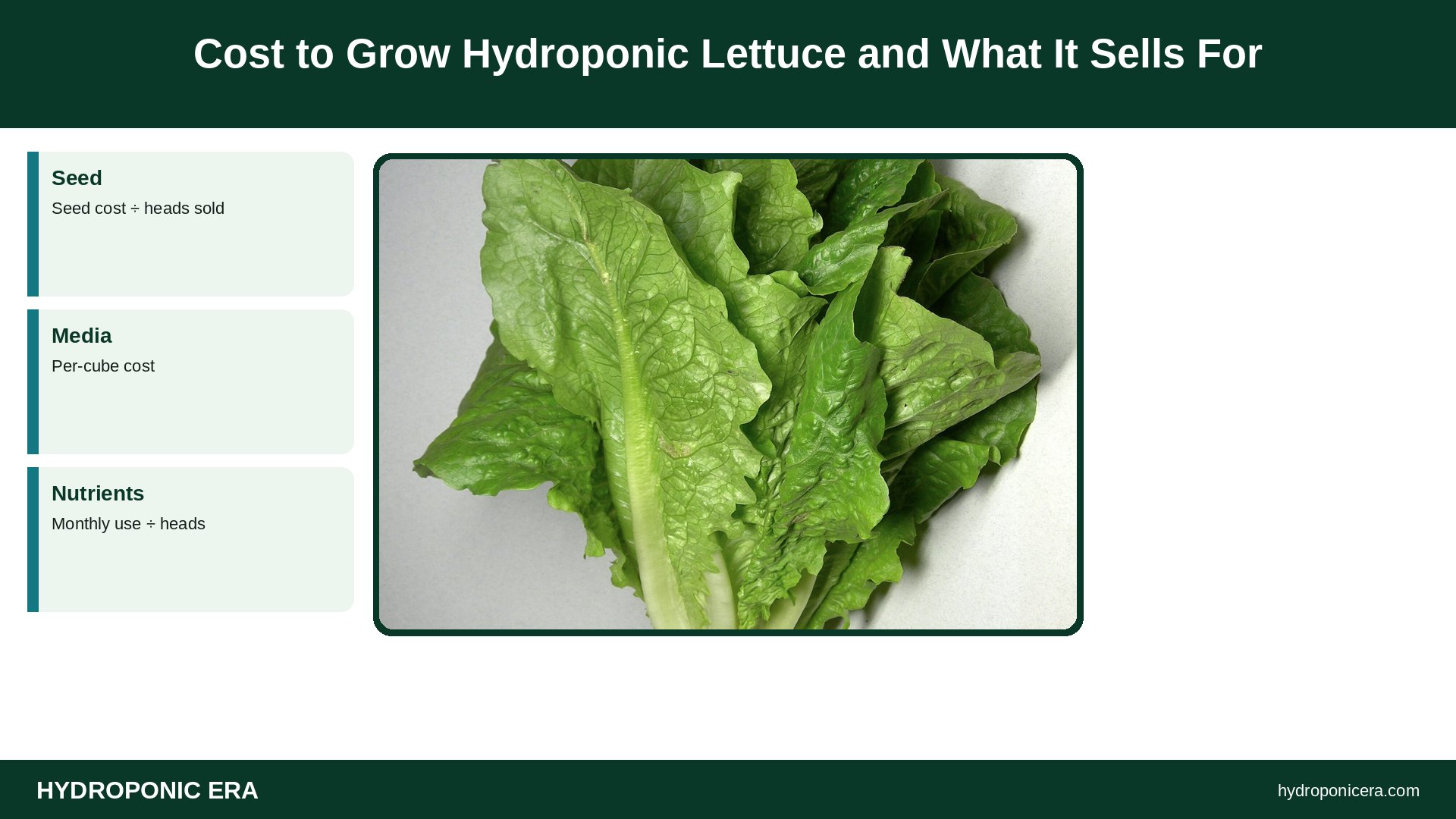
The cost to grow hydroponic lettuce and its selling price both vary widely, so the only reliable numbers are the ones you calculate for your own system and market. Cost per head is the sum of seed, growing media, nutrients, electricity, water, packaging, labor, and a share of equipment and rent, divided by the number of heads you actually sell. Selling price depends on channel: wholesale buyers pay the least, grocery and restaurant accounts pay more, and direct sales at farmers markets or CSAs usually pay the most. Check local prices and USDA AMS Market News terminal prices, then set a price floor above your full cost.
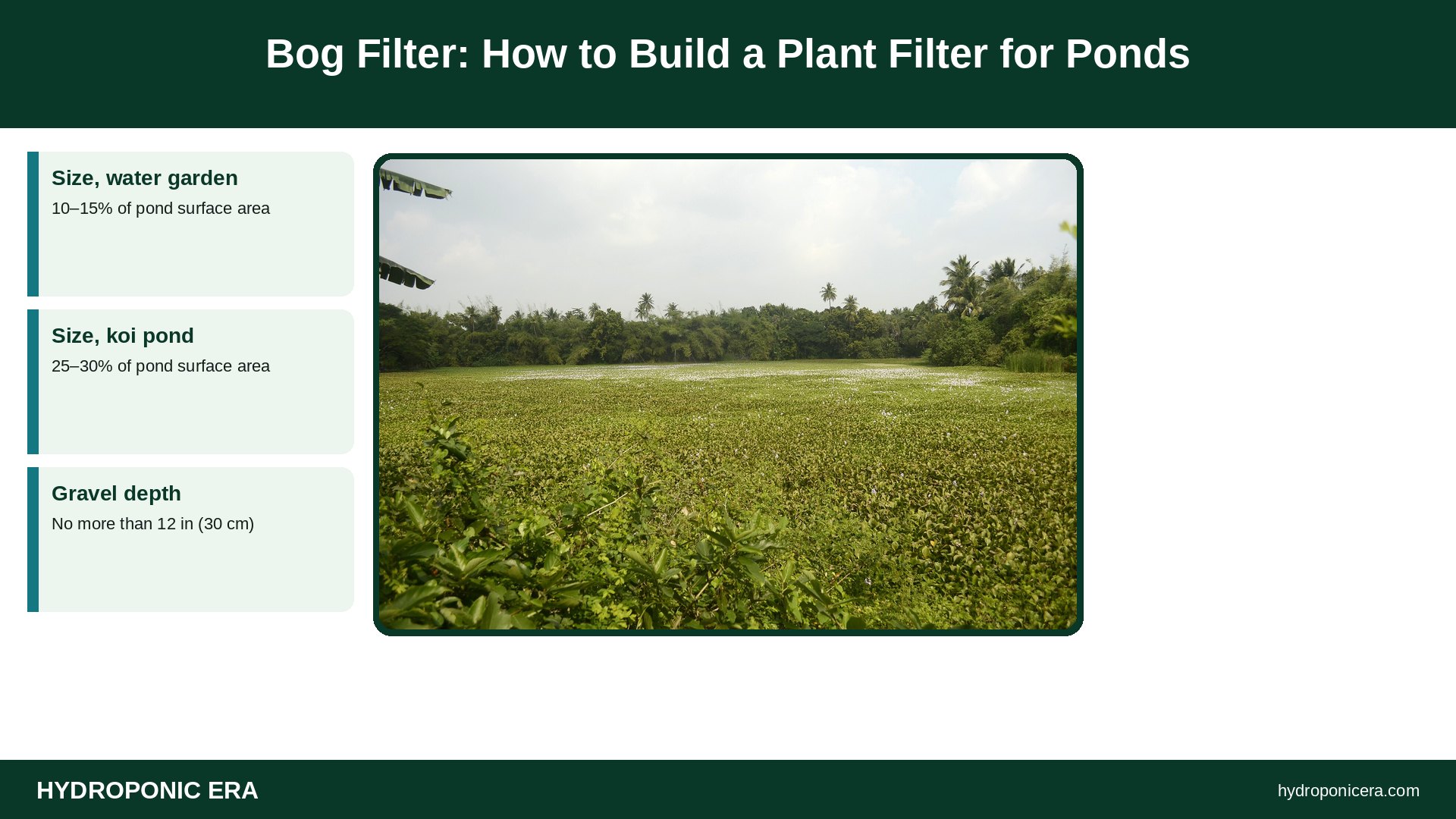
What is a bog filter for a pond? A bog filter is a shallow, lined gravel bed planted with bog plants. A pump pushes pond water up through slotted pipes under the gravel, bacteria break down waste, and plant roots take up the nutrients that feed green algae. Clean water then flows back to the pond by gravity.
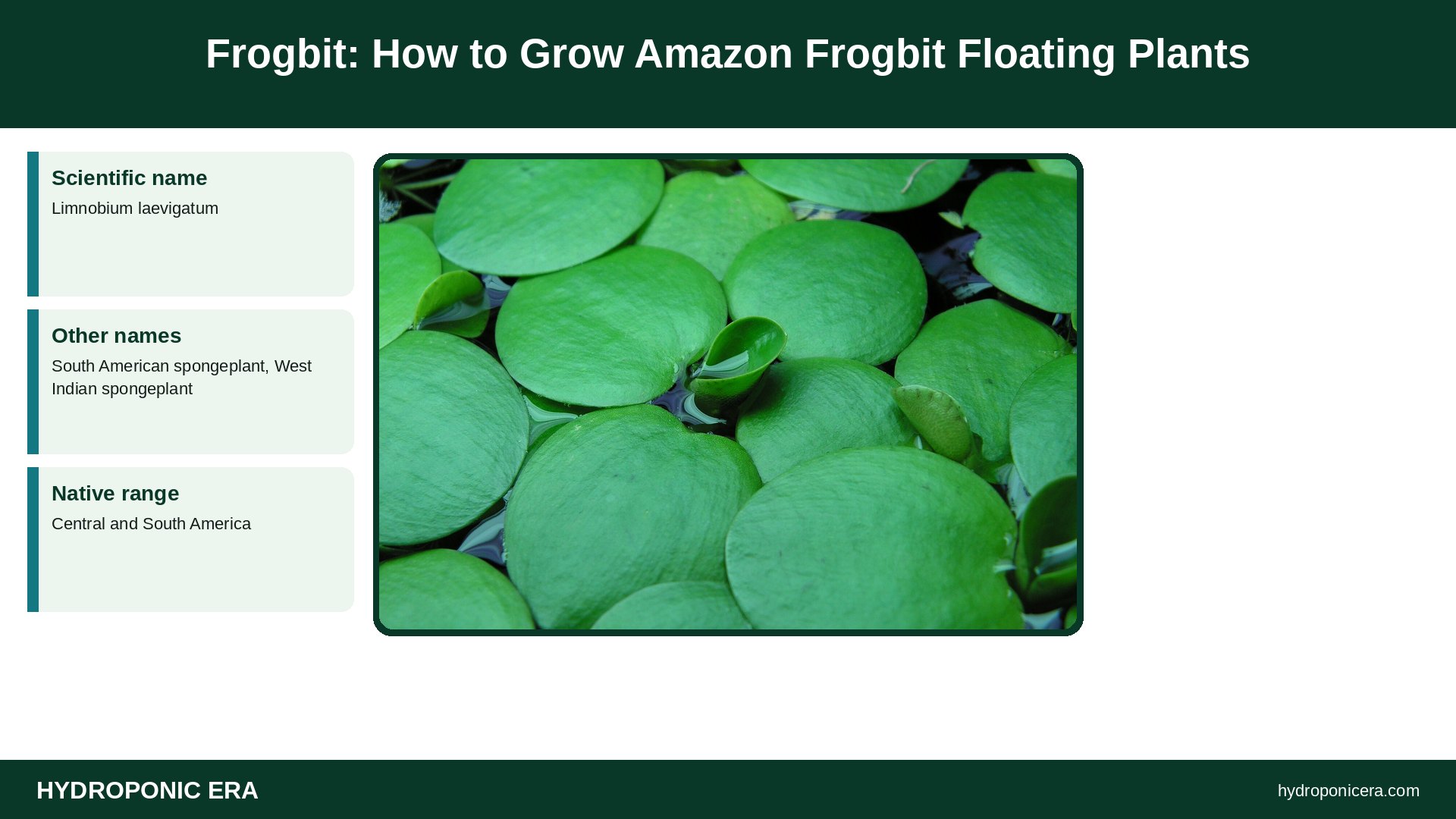
How do you grow Amazon frogbit? Amazon frogbit is a floating plant with round, spongy leaves and long dangling roots. Float it on calm water under moderate light, keep the leaf tops dry, and thin it often. It is invasive and regulated in California, so keep it indoors in closed tanks and never discard it outdoors.
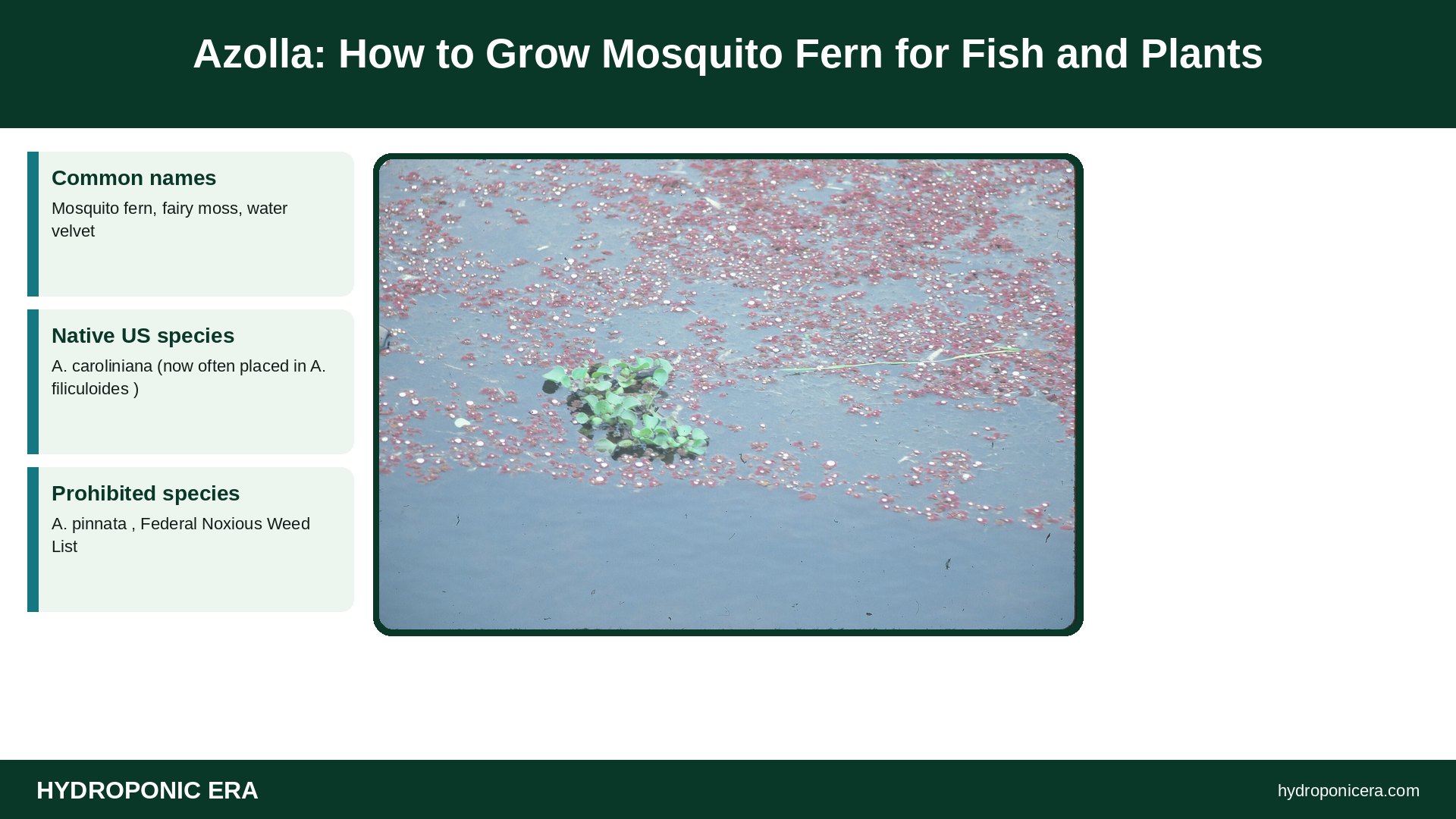
How do you grow azolla? Azolla, or mosquito fern, is a tiny floating fern that grows on still water in partial to full sun. It hosts a nitrogen-fixing cyanobacterium, so it can double as fish feed, mulch or compost. Grow a native species in a closed tub, skim it often, and never use the federally listed noxious A. pinnata .
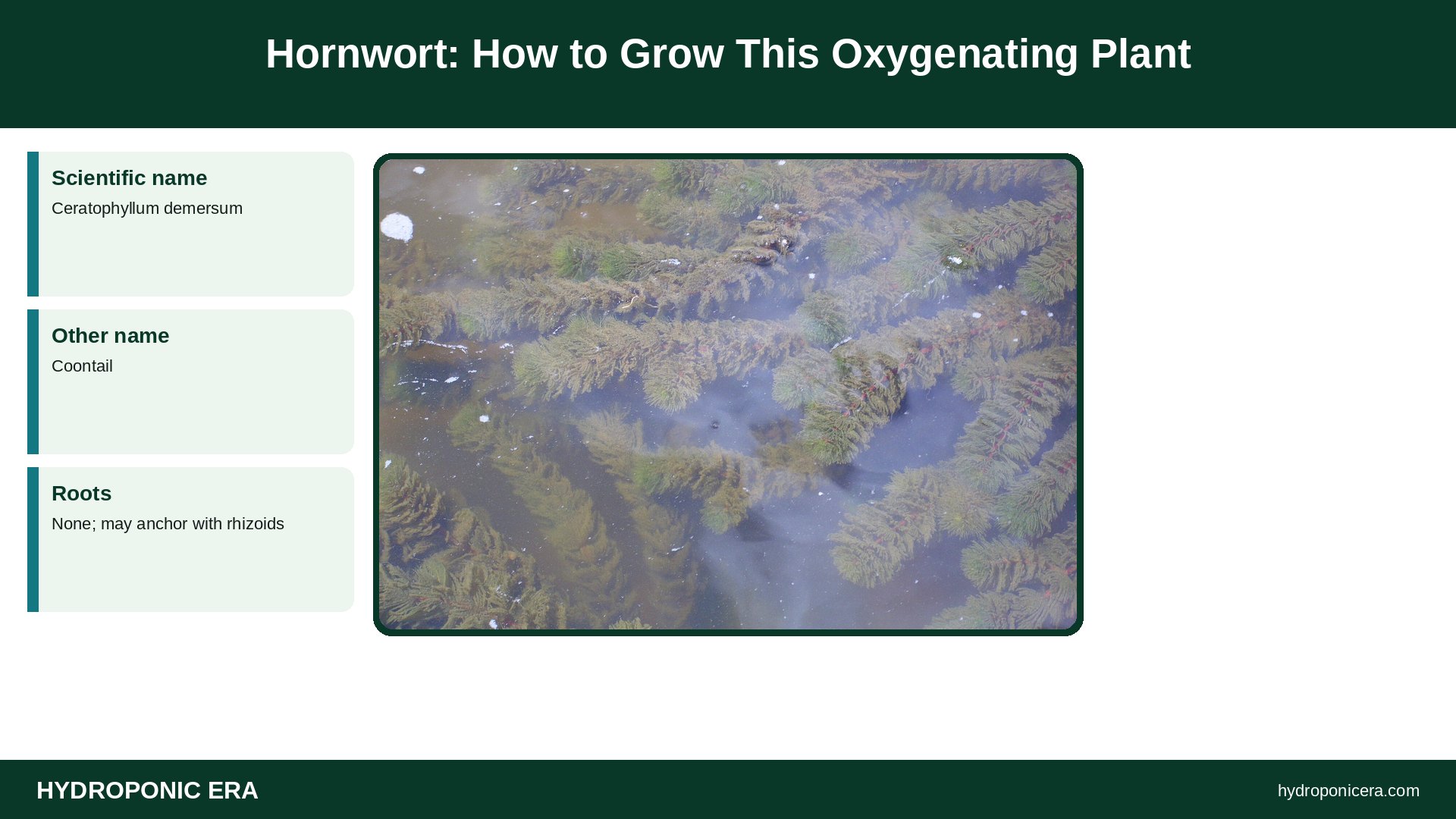
How do you grow hornwort? Hornwort is a rootless, submerged plant you can float or loosely anchor in a tank or pond. It pulls nutrients straight from the water, tolerates shade, and grows fast, so it helps soak up fish waste. Trim it often and never dump fragments into wild water, since tiny pieces regrow.
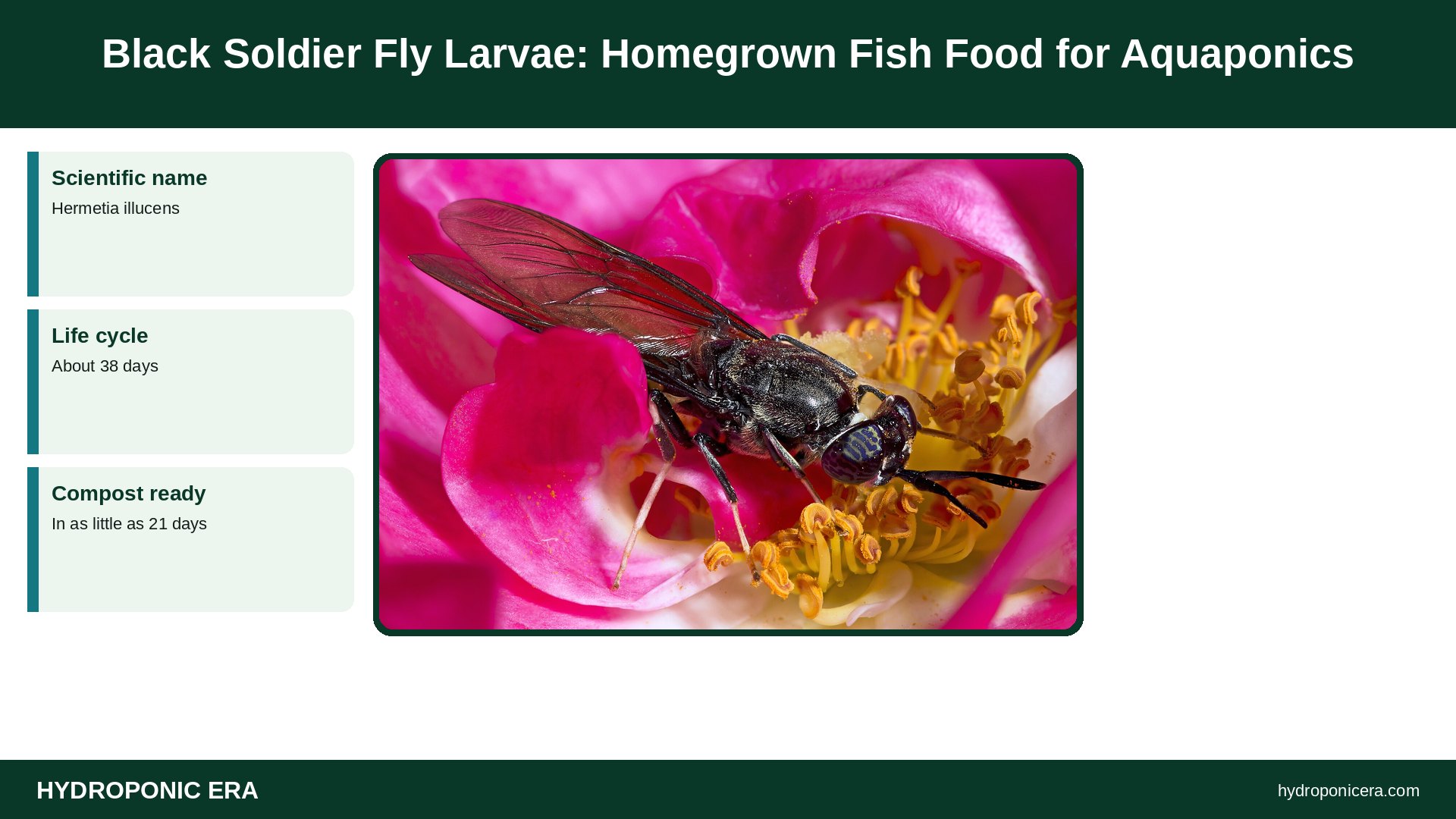
Can you raise black soldier fly larvae as fish food for aquaponics? Yes. Black soldier fly larvae turn food scraps into protein-rich grubs that fish eat, and mature larvae crawl out of a bin on their own for easy harvest. Purdue Extension notes the adults do not feed and are not pests. Use them as a supplement.
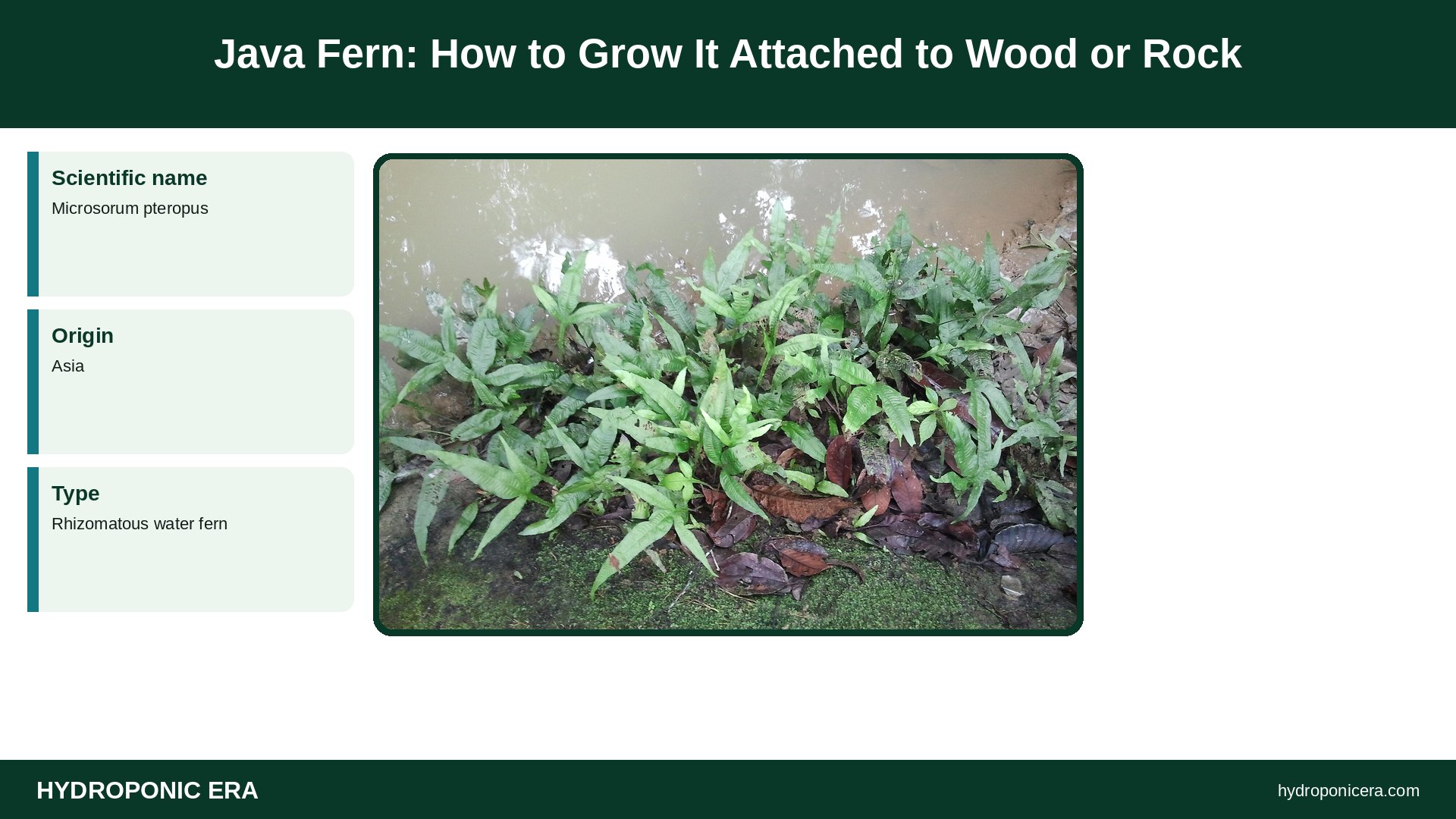
How do you grow java fern? Java fern grows best tied or glued to wood or rock, never with its rhizome buried in gravel or sand. It needs only low light and low CO2, grows slowly, and reaches about 6–12 in (15–30 cm) tall, which makes it one of the easiest plants for aquariums and small aquaponics tanks.