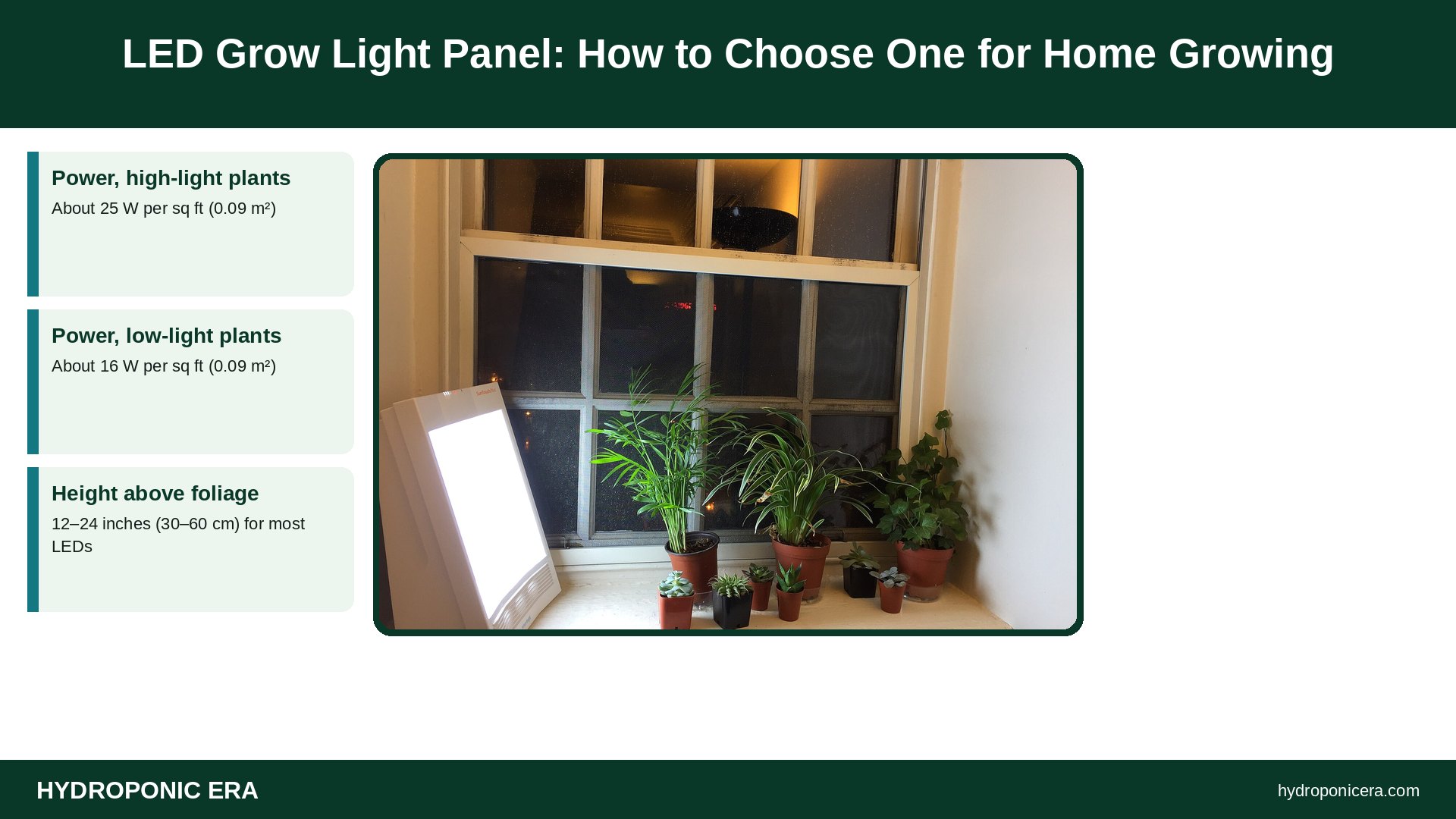
What is an LED grow light panel? An LED grow light panel is a flat fixture that spreads many diodes across one board to light a square or rectangular area. For most indoor plants, choose full-spectrum white light, plan about 25 watts per square foot (0.09 m²) for high-light crops, hang it 12–24 inches (30–60 cm) above foliage, and run it about 14–16 hours a day.
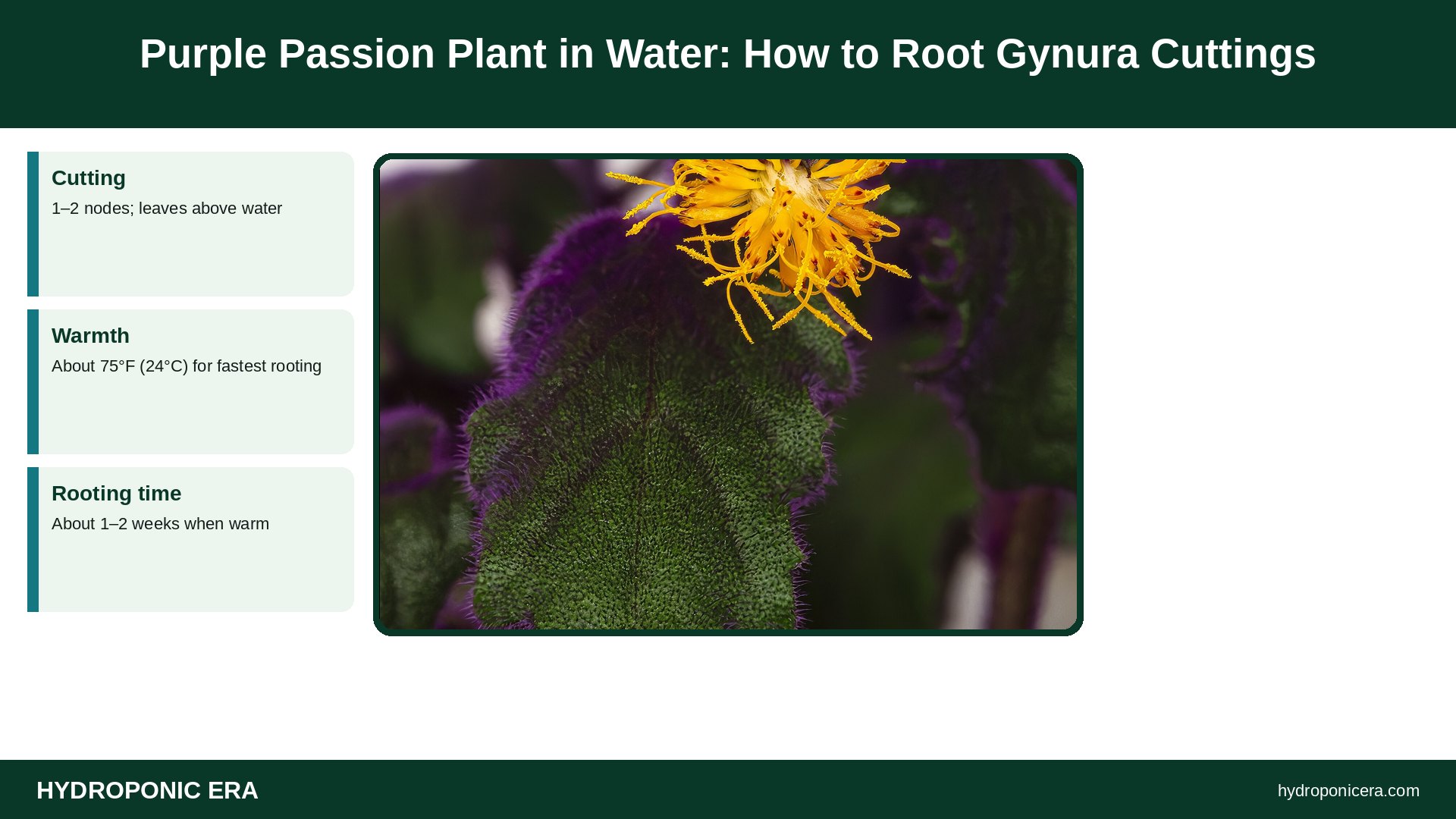
Can you root a purple passion plant in water? Yes. Purple passion (Gynura aurantiaca) roots quickly from one- or two-node stem cuttings. Place the nodes in room-temperature water, keep the fuzzy leaves dry and above the surface, and give bright, indirect light. Roots usually form within a couple of weeks when kept warm. Pot cuttings once roots reach 2–3 inches (5–8 cm).
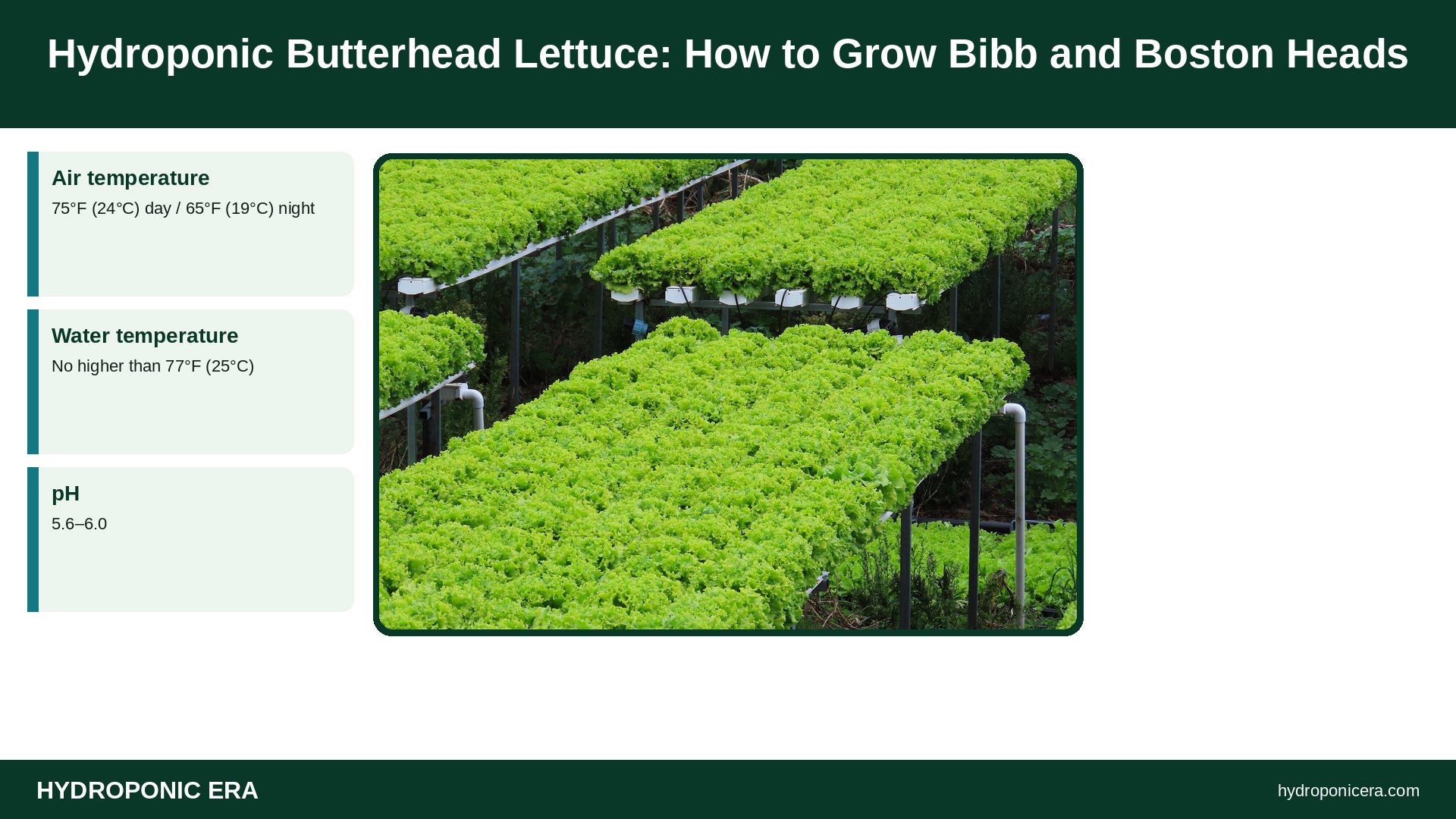
How do you grow hydroponic butterhead lettuce? Start seeds in plugs, move seedlings into NFT channels, a raft or a Kratky jar after about 11 days, and harvest heads around day 35. Cornell’s lettuce handbook targets 75°F (24°C) days, 65°F (19°C) nights, pH 5.6–6.0, strong airflow and about 17 mol/m²/day of light.
What is a grow light bar, and is it worth it? A grow light bar is a long, slim LED fixture that spreads light evenly along a shelf, tray or row of plants. It suits seedlings, herbs, lettuce and microgreens. Hang bars 6–12 inches (15–30 cm) above leafy crops, overlap their coverage, and run them 12–16 hours a day on a timer.
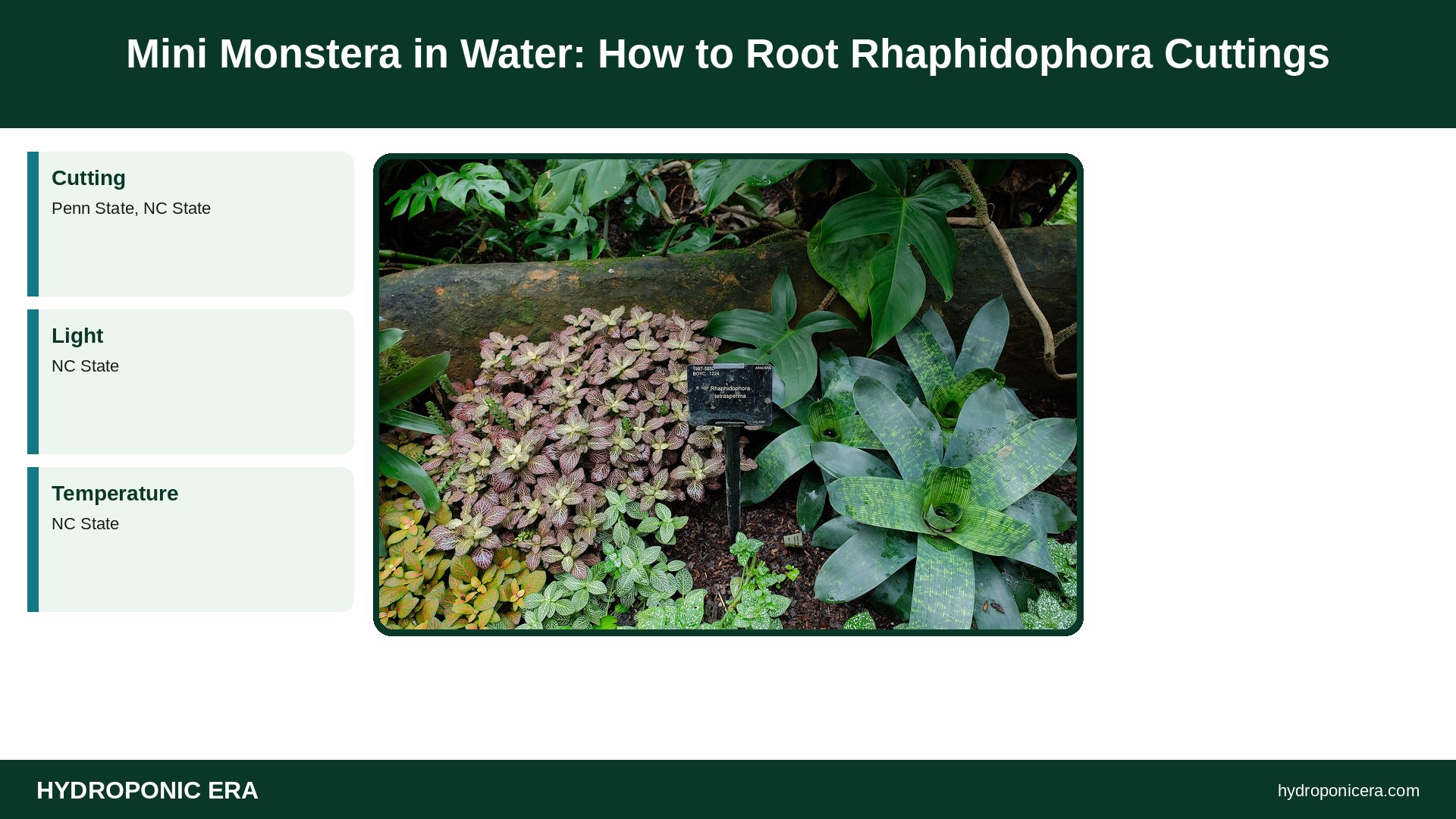
Can you root a mini monstera in water? Yes. Mini monstera (Rhaphidophora tetrasperma) roots readily from stem cuttings in water. Cut a section with at least one node and, ideally, an aerial root. Set the node in room-temperature water in bright, indirect light, keep leaves dry, change cloudy water, and pot it once roots reach 2–3 inches (5–8 cm).
How do you grow onion sprouts at home? Soak onion seeds in cool water for 8–12 hours, drain, and keep them in a jar or tray at about 70°F (21°C) out of direct sun. Rinse and drain 2–3 times a day. Sprouts appear in 4–7 days, green up in indirect light, and are ready in about 10–15 days.
Hydroponic cucumber leaves turning yellow usually point to a nutrient problem (most often nitrogen, magnesium, iron, or potassium), pH drift that locks out nutrients, root problems from warm or oxygen-poor water, too little light, or pests such as spider mites. Which leaves turn yellow tells you a lot: older lower leaves suggest a mobile nutrient like nitrogen or magnesium, while yellow new growth suggests iron or a pH issue. Cucumbers are heavy feeders, so EC and pH drift faster than with leafy greens.
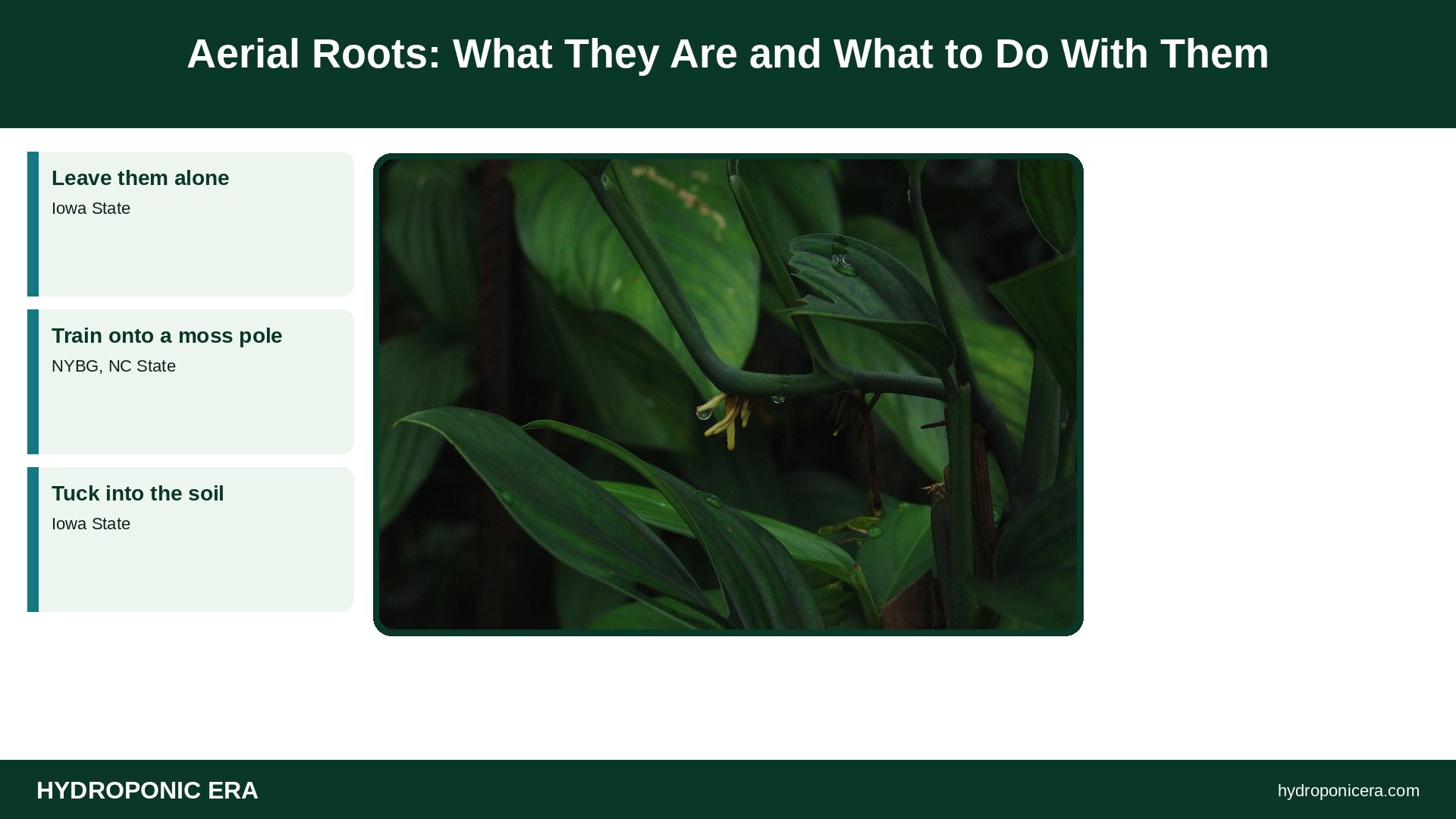
What are aerial roots, and should you cut them? Aerial roots are roots that grow from a stem above the soil. Climbing houseplants such as monstera, philodendron and pothos use them to grip trees and take in moisture. They are normal and healthy. You can leave them, tuck them into the pot, train them onto a moss pole or trim them off.
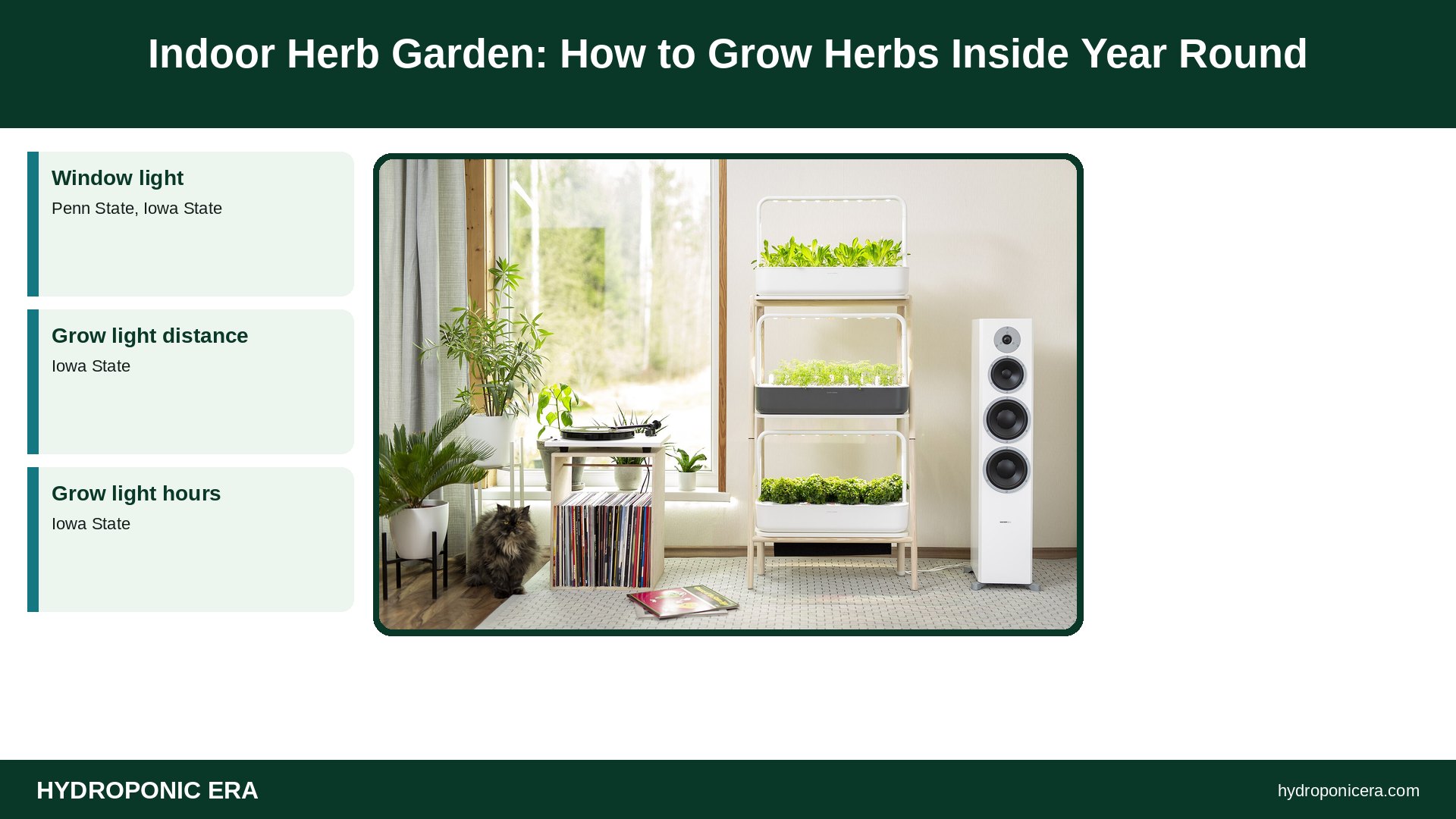
How do you start an indoor herb garden? Pick easy herbs such as basil, chives, mint and parsley, plant each in its own draining pot of light potting mix, and give them a south-facing window or a full-spectrum grow light 6–12 inches (15–30 cm) above the leaves for 12–16 hours a day. Water when the mix starts to dry.
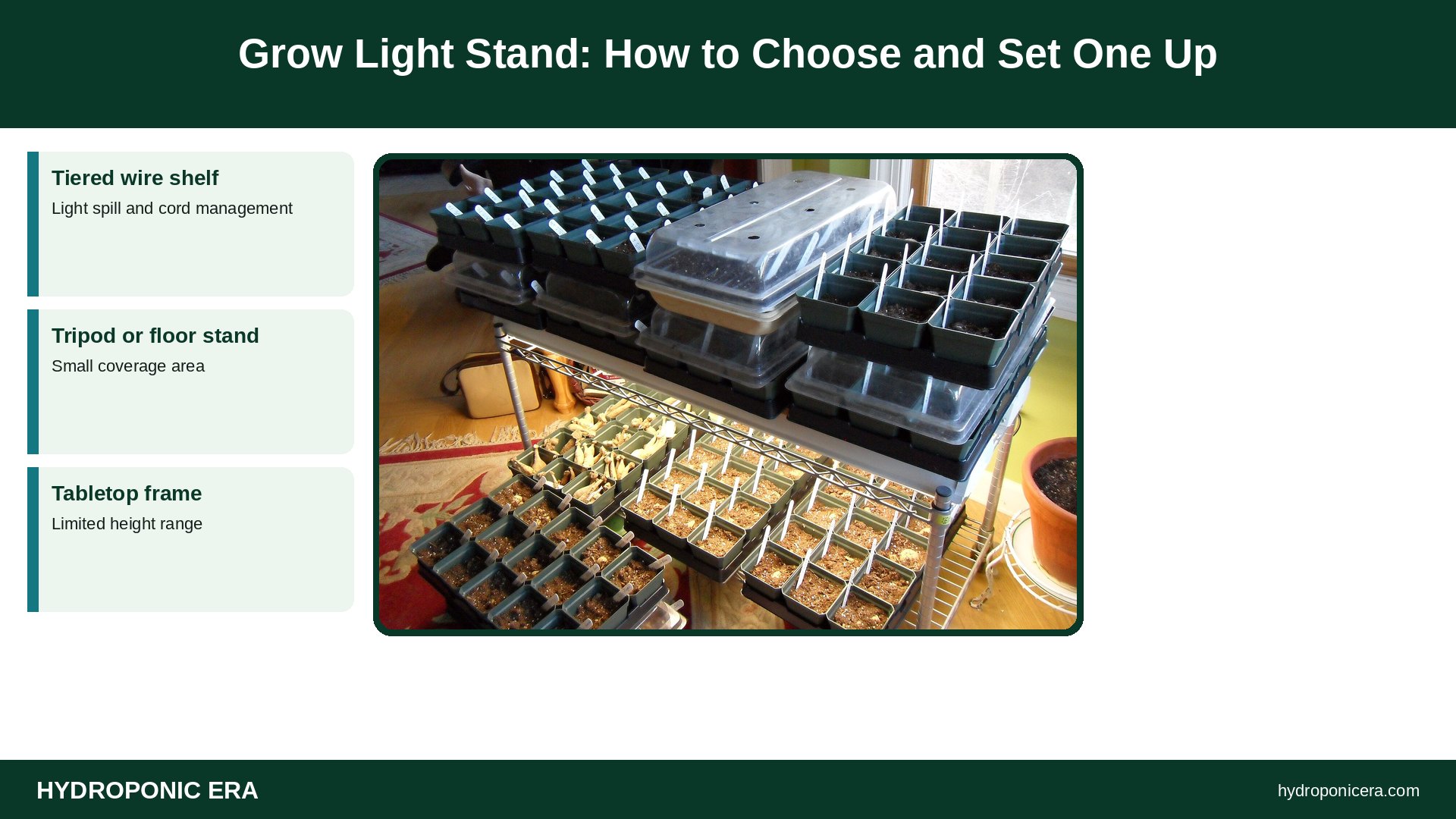
What is a grow light stand? A grow light stand is a frame, shelf or tripod that holds grow lights over your plants at an adjustable height. Iowa State Extension says to hang fixtures on adjustable chains, with LEDs about 8–12 inches (20–30 cm) above seedlings and fluorescent tubes 4–6 inches (10–15 cm) away.