
Quick Answer
Value-added Products Hydroponic Herbs (value-added products hydroponic herbs) — Value-added Hydroponic Herbs (value-added hydroponic herbs) is the practical focus of this guide for home growers.
Value-added products from home hydroponic herbs—dried blends, rubs, or simple preserved items—can stretch surplus, but they add food-safety, labeling, and licensing complexity. Fresh herbs remain the simplest product; value-added is optional and rule-sensitive. This is not recipe spam and not legal advice.
See best herbs, selling, food safety, and basil.
Key takeaways for value-added products hydroponic herbs
- National Center for Home Food Preservation (UGA) is the science hub for home preservation methods—use tested processes when preserving.
- Drying herbs is popular, but moisture and storage decide safety and quality.
- Cottage food and labeling rules vary—ask local officials before selling processed items.
- Ohio and UF food-safety materials still apply to handling before any drying step.
- Do not invent medical claims for herb blends.
- Track batch dates; dried products are not “set and forget” forever.
- Fresh market sales often beat complex processing for true beginners.
- Keep allergens and cross-contact in mind when blending.
Related HydroponicEra guides

Value-added Hydroponic Herbs: Fresh vs Dried vs Blended Decision

| Product | Pros | Watch-outs |
|---|---|---|
| Fresh bunches/clamshells | Simple; familiar | Short life |
| Dried single herbs | Uses surplus; shelfable | Dryness, labeling, licensing |
| Blends/rubs | Differentiation | Allergens; claim rules |
| Wet preserves (pesto-style) | High perceived value | Higher risk; often restricted |
NCHFP guidance is especially important before you sell acidified or low-acid preserved foods. When in doubt, stay with fresh.
Value-added Hydroponic Herbs: Responsible Value-Added Workflow
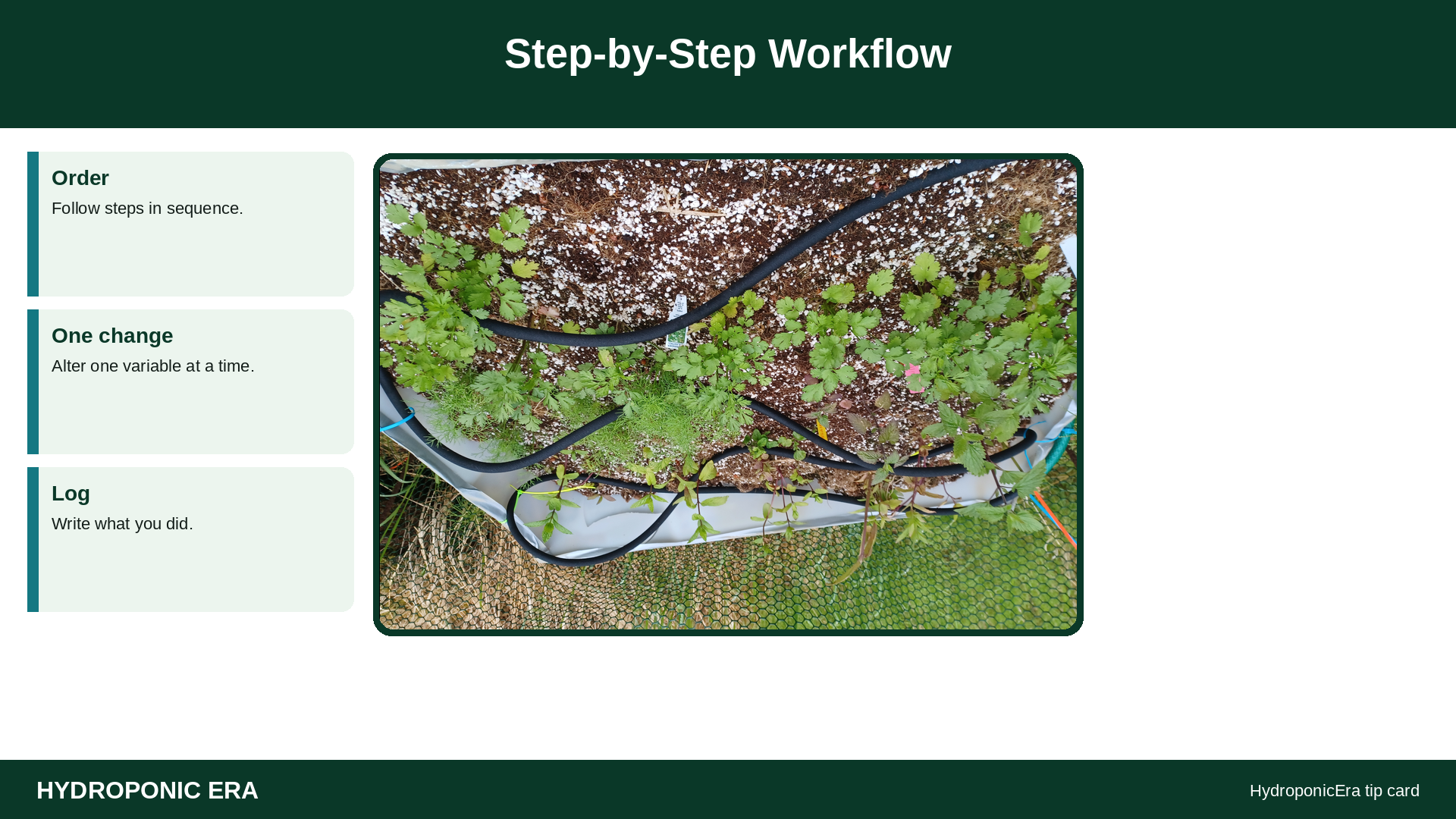
- Confirm local cottage-food / processed-food rules in writing.
- Start with drying only if rules look favorable—skip wet preserves initially.
- Harvest clean, peak-flavor herbs ({a(‘herbs’,’herbs’)}, {a(‘basil’,’basil’)}).
- Wash using your food-safe process; dry thoroughly.
- Use clean dehydrator/screens; avoid dusty garages.
- Condition and store in airtight, dark containers with pack dates.
- Label contents, net weight, date, and your contact—no miracle claims.
- Allergen check if blending in a kitchen that handles nuts/gluten.
- Small test batches; track customer feedback on aroma strength.
- Keep fresh SKUs primary until process is boringly reliable.
Value-added Hydroponic Herbs: Risk Framework
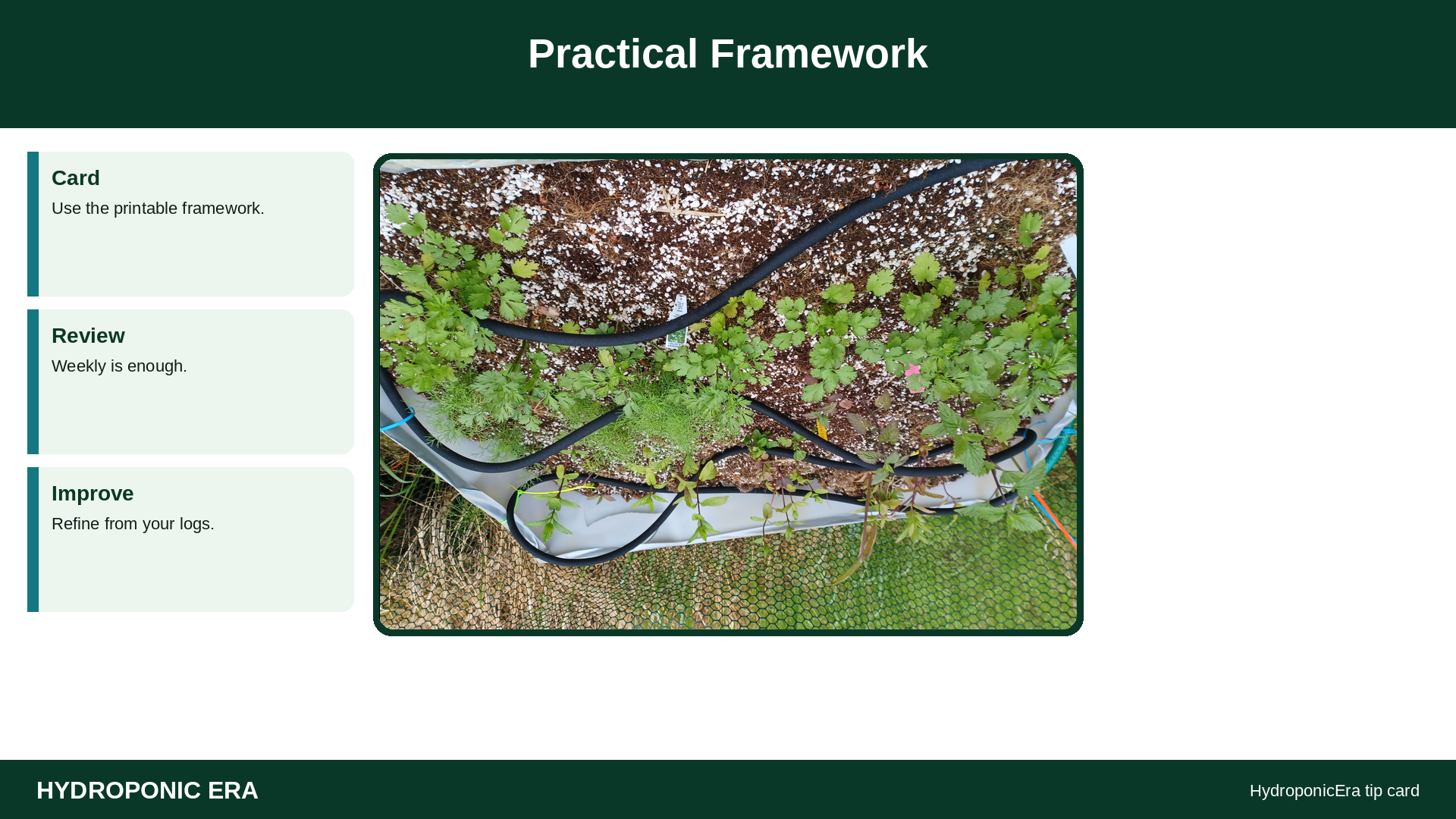
Original risk card: Rule check → Method from trusted preservation source → Clean raw material → Dryness/storage verified → Honest label → Small batch.
If any step is fuzzy, do not sell it. Educational blogs (including this one) do not replace regulators or NCHFP tested methods.
Value-added Hydroponic Herbs: Common Mistakes
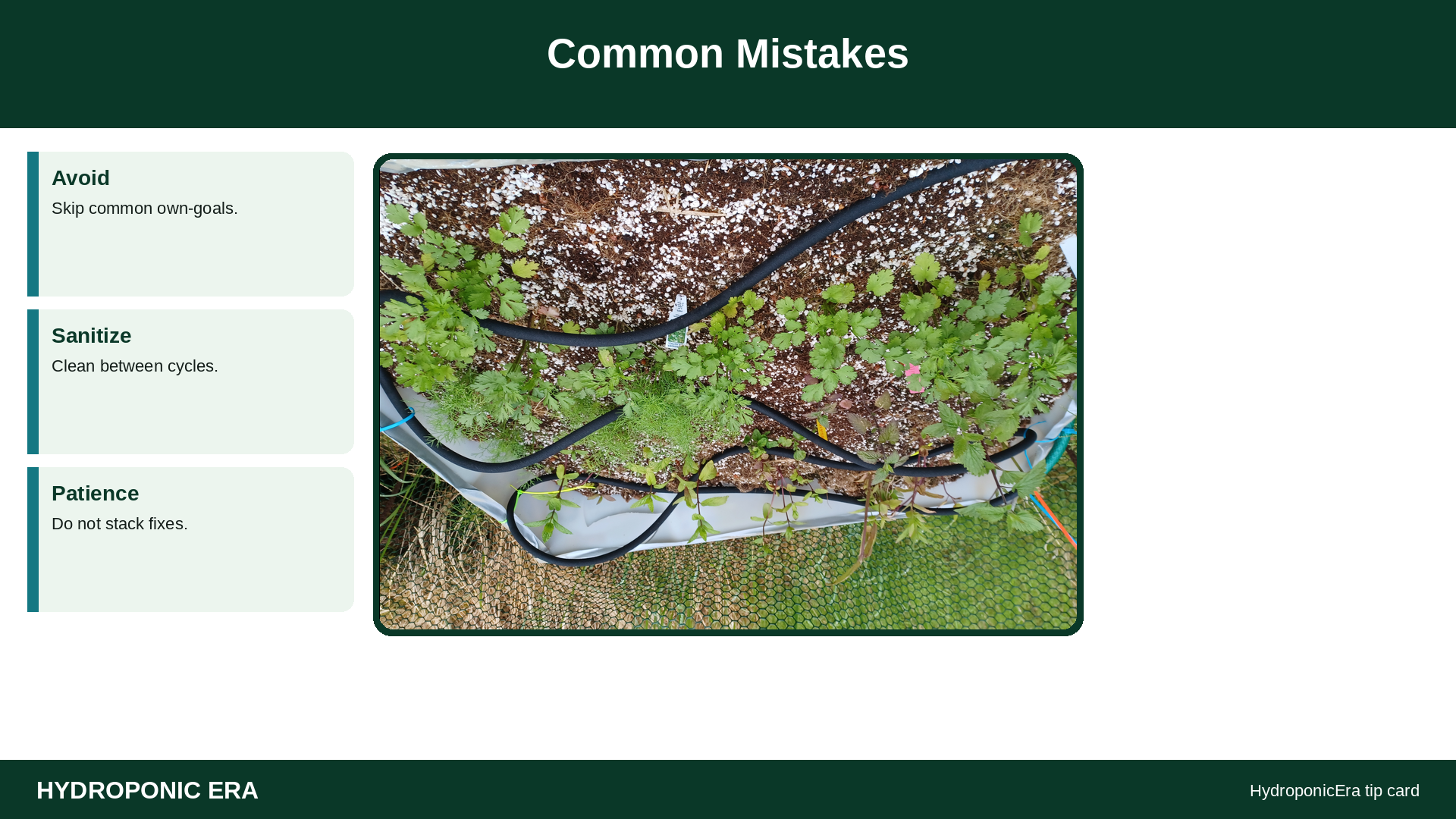
- Selling jarred wet sauces without approved process
- Under-dried herbs that mold in bags
- Medical or “detox” claims on culinary herbs
- Using broken glass jars with rusty lids
- Skipping dates
- Processing in a visibly unclean laundry room
Value-added Hydroponic Herbs: Troubleshooting Quality

| Issue | Cause | Action |
|---|---|---|
| Musty smell | Moisture | Discard; improve drying |
| Brown basil | Oxidation / heat | Gentler dry; faster pack |
| Weak flavor | Old stock / late harvest | Fresher cycles; opaque storage |
Related woody herbs: rosemary, sage guides in the plant cluster.
What to Check Before Selling a Value-Added Herb Product
- Local rules confirmed for this exact product type?
- Method referenced from NCHFP or extension—not a random video?
- Raw herbs washed and high quality?
- Dryness/storage validated?
- Labels honest (no medical claims)?
- Allergen/cross-contact considered?
- Batch date system ready?
- Fresh product still carries the business if value-added pauses?
FAQs about value-added products hydroponic herbs
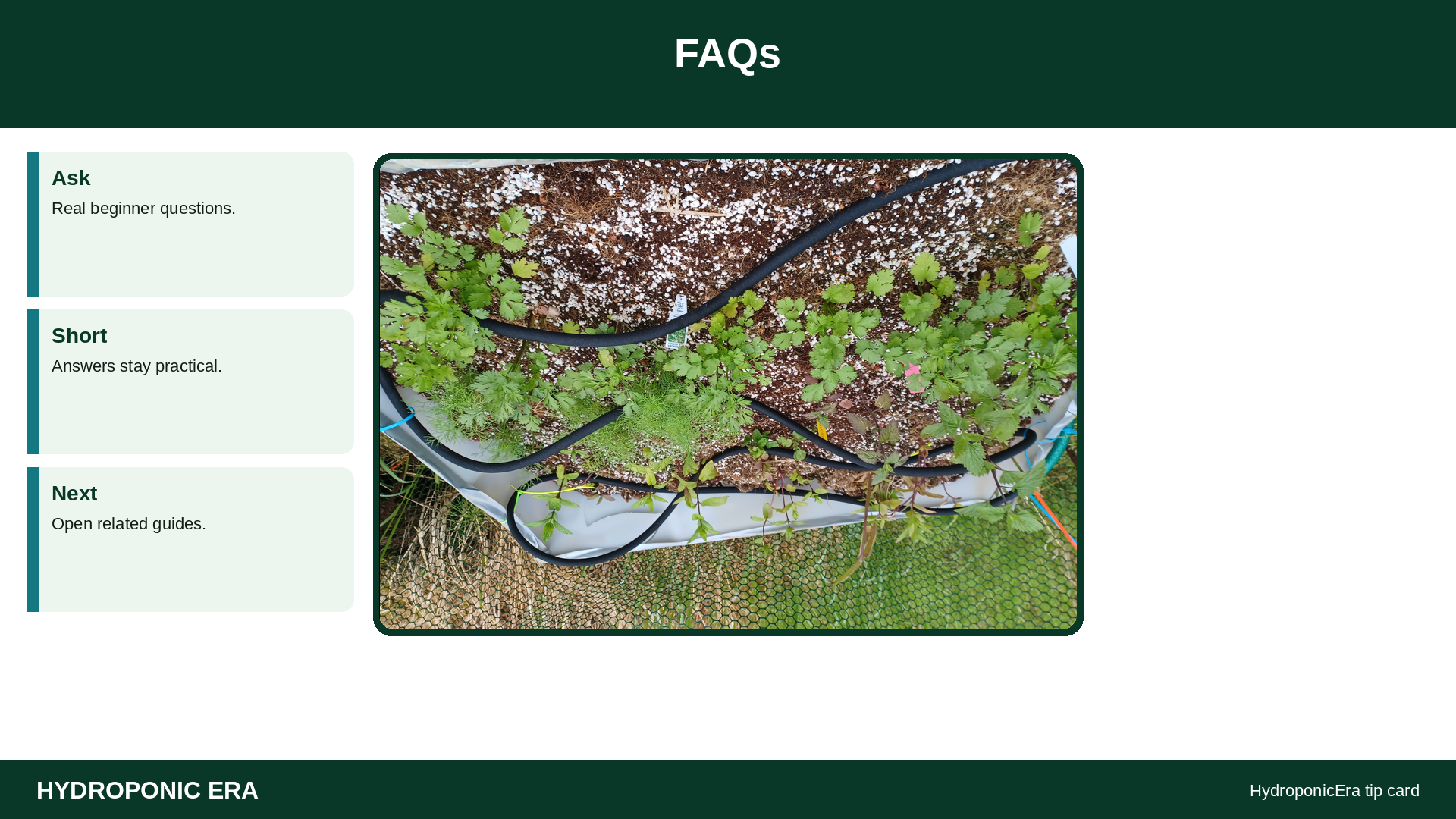
Is pesto safe to can at home for sale?
Many wet products are restricted or need approved processes—ask regulators and use NCHFP science; do not improvise.
Are dried herbs always cottage-food eligible?
Not everywhere. Ask locally.
Can I say it cures anything?
No—avoid medical claims.
Best herbs to dry?
Often sturdy culinary herbs; test quality. See herb guides.
Why fresh first?
Fewer process steps and clearer rules for many beginners.
Next?
Packaging/labeling and farmers market pricing.
Stay-Fresh-First, Then Earn Complexity
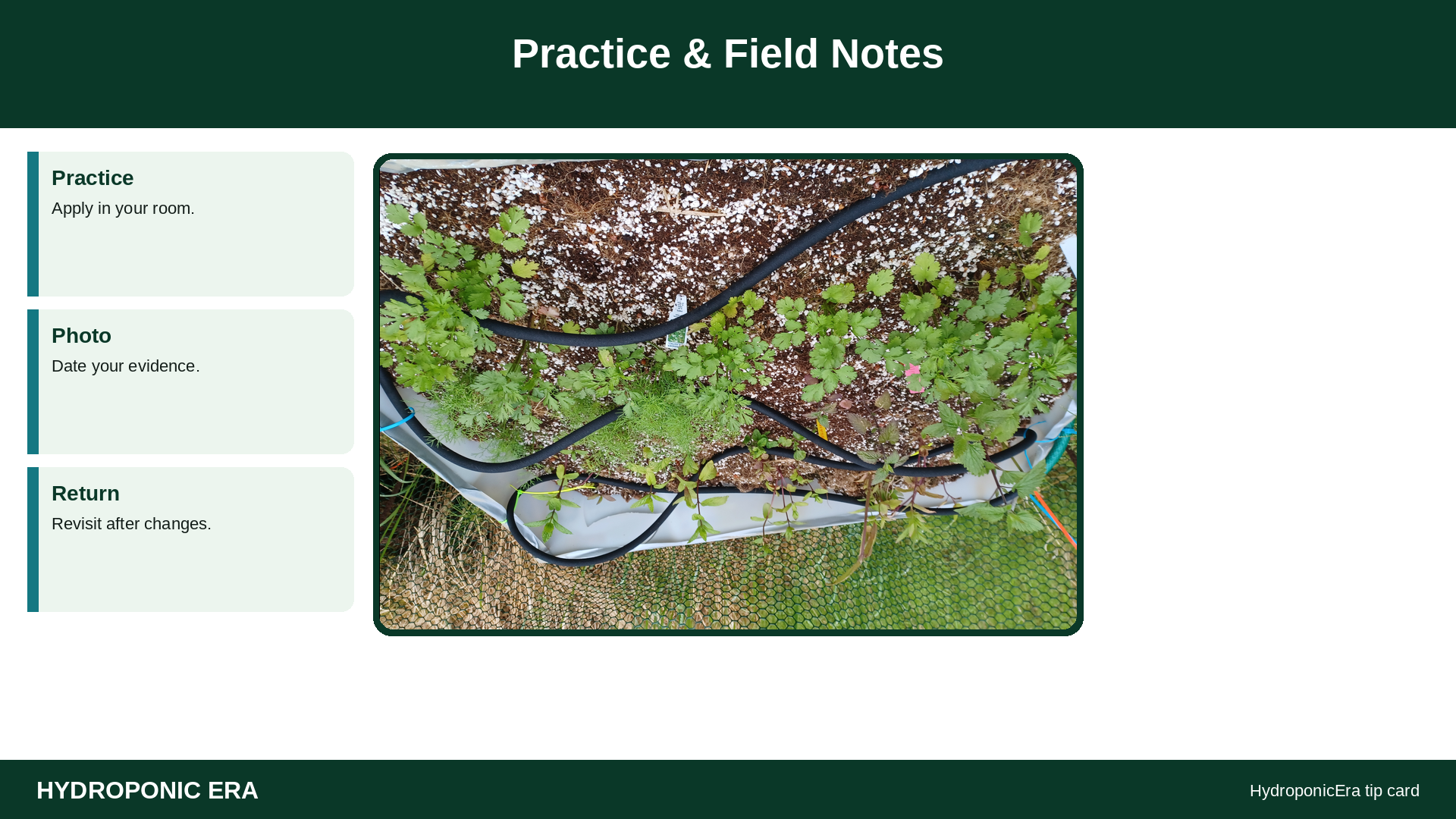
Default path for most HydroponicEra readers: master fresh herb quality and local rules for fresh sales before dehydrators and jars. Value-added multiplies failure modes—moisture, labels, allergens, and licensing. Fresh basil done well already differentiates (basil, herbs).
If you dry: verify local permission, use clean harvests, dry until crisp-brittle appropriate to the herb, condition, and store opaque with dates. When aroma fades, it is tea-for-home—not inventory. NCHFP is your science north star for preservation questions; random videos are not.
Original “sell gate” for any processed item: written rule OK | method from trusted source | clean process photos for your SOP | honest label draft reviewed by a second person | tiny batch test. Missing gate → do not sell.
Wet products (pesto-style, infused oils) are frequent regulatory and safety tripwires. Prefer to skip until you have professional guidance. This site will not provide improvised canning recipes for sale.
Practice: run a non-sale drying experiment for household use only, log aw/moisture indirectly via texture and mold checks over two weeks, and decide if the labor justifies a rule-check for sales. Pair with food safety and packaging/labeling articles.
Marketing ethics: culinary enjoyment only—no disease claims. USDA AMS local channel ideas still start with trust (selling).
Closing: surplus herbs can also become free samples that grow fresh-bunch sales—sometimes the highest ROI “value-add” is generosity with excellent fresh product, not a new SKU line.
Allergen and cross-contact SOP: if you blend lemon pepper with kitchen nuts elsewhere, you owe customers clarity—or a dedicated clean zone. When unsure, sell single-ingredient dried herbs only.
Shelf-life humility: date packs and use rotational FIFO. A beautiful label on stale oregano damages the fresh-bunch brand you worked to build (herbs, selling).
Cost reality: dehydrator time, jars, desiccants, and labeling often exceed the value of simply selling extra fresh bunches at market. Run the numbers once with the electricity framework for dryer kWh before committing.
Education over mystique: tell customers how you dry and store; skip miracle narratives. Extension-backed food-safety posture travels further than guru storytelling (food safety, NCHFP).
Practice batch: dry one herb, package ten units, and attempt to sell only those ten after rules clearance. Review feedback before expanding to blends. Keep fresh SKUs as the economic engine.
Moisture check habit: if a jar fogs after closing or herbs cake together, open, redry if still safe household use, and do not sell. When selling, err toward discard. Mold risk is not a branding opportunity (food safety).
Story alignment: tell buyers the herb was grown hydroponically and dried on date X—keep the story factual. Point enthusiasts to fresh bunches for peak aroma. Fresh remains the flagship; dried is a surplus tool (basil, selling).
Value-added Hydroponic Herbs: Practical Checklist
Value-added Hydroponic Herbs matters every week in a home system. Recheck value-added hydroponic herbs after transplants, heat spikes, and canopy fill-in. Strong value-added hydroponic herbs habits beat one-time guesses. When value-added hydroponic herbs drifts, leaves crowd, roots stress, or harvest quality drops. Write value-added hydroponic herbs targets into your log so you do not rely on memory. Teach helpers your value-added hydroponic herbs checklist before you leave town.
Treat value-added products hydroponic herbs as a weekly habit: scan, note, then adjust only when data says so.
Share value-added products hydroponic herbs basics with anyone covering your system while you are away.
Print a short value-added products hydroponic herbs note and leave it near the reservoir.
Update value-added products hydroponic herbs after storms, heat waves, or DIY plumbing changes.
Good value-added products hydroponic herbs beats last-minute guessing when something drifts overnight.
Archive last month’s value-added products hydroponic herbs notes; patterns beat memory.
Teach one other person your value-added products hydroponic herbs so coverage is not a single point of failure.
When value-added products hydroponic herbs is clear, you waste less time chasing the wrong variable.
Revisit value-added products hydroponic herbs whenever you change lighting, EC, or who waters the system.
Write one line on value-added products hydroponic herbs after each reservoir check so patterns show up early.
Keep value-added products hydroponic herbs tied to a short list of numbers you already measure.
If value-added products hydroponic herbs still feels unclear, reduce variables before adding gadgets.
Sources
- National Center for Home Food Preservation (UGA) — Home food preservation guidance hub
- University of Florida IFAS — FS233: Food safety publication
- Ohio State University Extension — HYG-1132 Food safety / produce handling
- University of Minnesota Extension — Growing herbs in home gardens
- University of Florida IFAS — HS1421: Growing Herbs in Small Hydroponic Systems
- University of Georgia Extension — B1377 publication
- USDA Agricultural Marketing Service — Local and regional food systems resources
- Ohio State University Extension — ANR-25 Direct Marketing