hydroponic wall garden — Hydroponic Wall Garden: Indoor Living Wall Systems

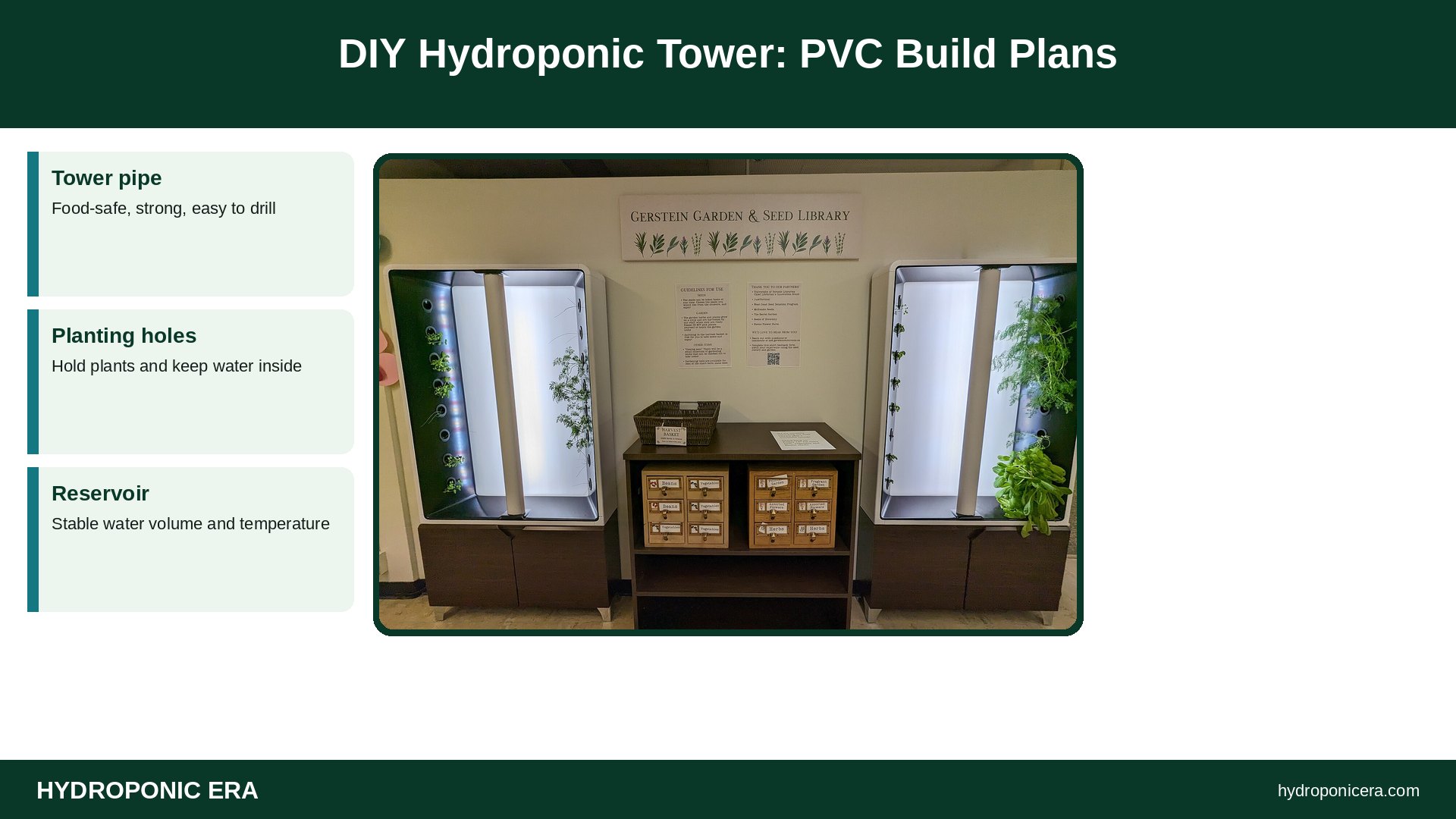
A hydroponic wall garden is a vertical growing system mounted on a wall, where nutrient solution is pumped to the top and drips or trickles down through pockets, channels, or panels before draining back to a reservoir. Indoors, it can grow herbs, lettuce, and trailing houseplants in a few inches of floor space. The big design questions are weight, waterproofing, lighting, and access: a wall garden holds water next to drywall, so you need a sealed backing, a catch tray, and a reliable pump. For edible greens, keep the solution in the ranges UF/IFAS Extension gives for small lettuce systems, about 65–80°F and EC 1.2–1.8 mS/cm.
autopot — AutoPot Systems: How Gravity-Fed Watering Works

An AutoPot system is a gravity-fed, no-electricity watering system: a raised reservoir feeds a tray through tubing, and a small float valve in each tray (the AQUAvalve) lets in nutrient solution, then shuts off until the tray dries out. That built-in wet-dry cycle gives roots air between waterings. AutoPot systems suit coco coir or soilless mixes and work well for tomatoes, peppers, and other larger plants on patios, in greenhouses, or indoors where you’d rather not run pumps.

homemade hydroponic nutrients — Homemade Hydroponic Nutrients: What Works and What Doesn't

Homemade hydroponic nutrients work when you mix them from proper water-soluble fertilizer salts, such as calcium nitrate, potassium nitrate, monopotassium phosphate, magnesium sulfate (Epsom salt), and a chelated micronutrient mix. That’s exactly how university and research recipes are built. Kitchen hacks like banana peel water, coffee grounds, or compost tea alone don’t work as a complete hydroponic feed, because they can’t supply all the essential nutrients in the right balance. Penn State Extension describes three reliable approaches: fertilizer programs (a base fertilizer plus calcium nitrate and Epsom salt), crop recipes built from individual salts, and complete hydroponic fertilizers.

aquaponics cost — Aquaponics Cost: Home Setup and Running Costs

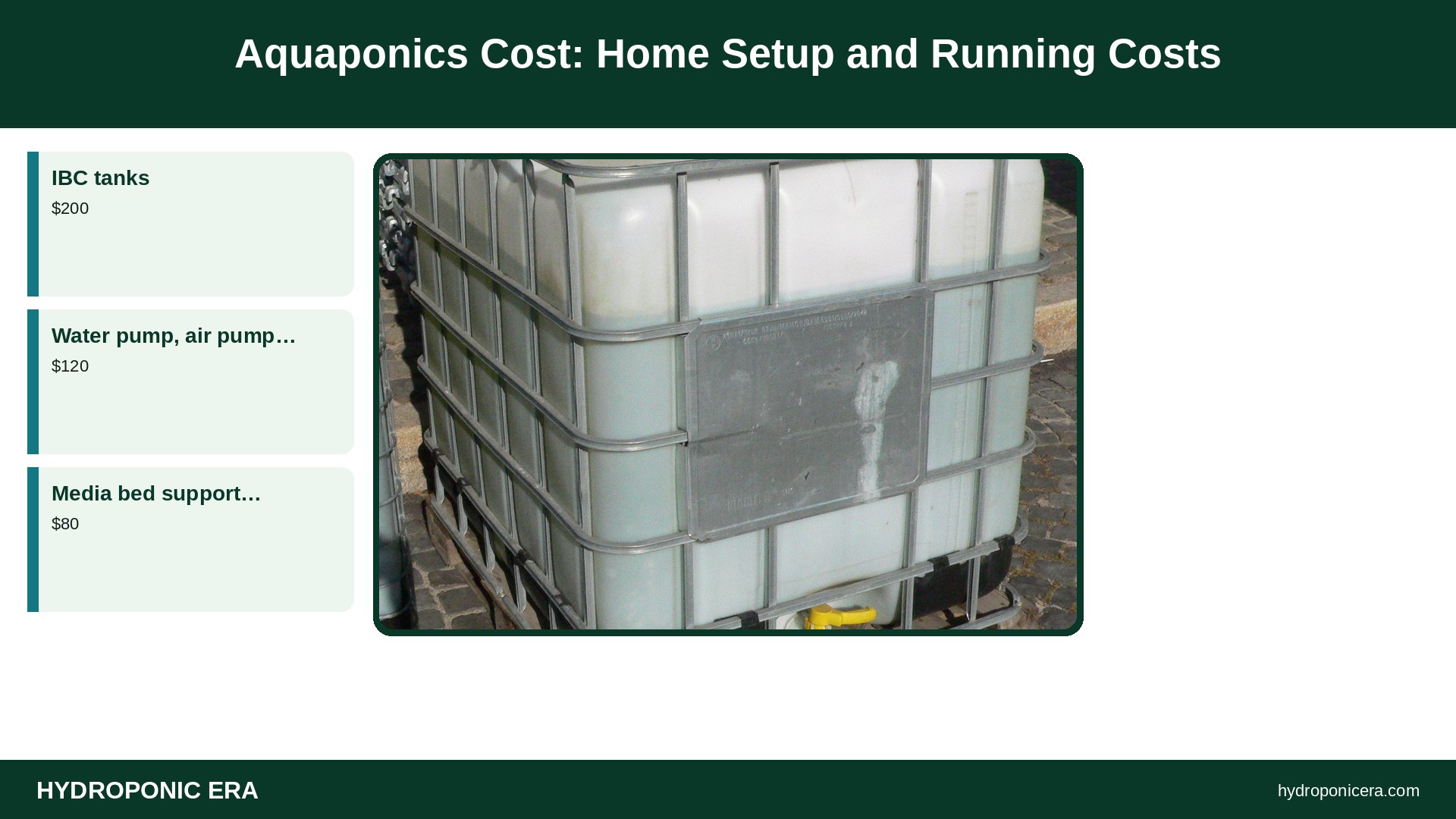
Aquaponics cost for a small home system is mainly the setup: tanks, pumps, plumbing, media, and support structure. FAO’s aquaponics manual priced a small media bed unit with a 264-gallon (1,000 L) fish tank and about 32 square feet (3 m²) of grow space at about $700 in materials, using IBC totes. FAO’s running costs for that unit came to about $26 per month, with fish feed the biggest line. In the US, electricity for a 35-watt pump and air setup uses about 25 kWh a month, roughly $4.50 at the US average residential price of about 18 cents per kWh reported by the EIA for 2026. Your costs will vary by size, materials, and whether you build or buy a kit.

aquaponics vs hydroponics — Aquaponics vs Hydroponics: Cost, Yield and Effort

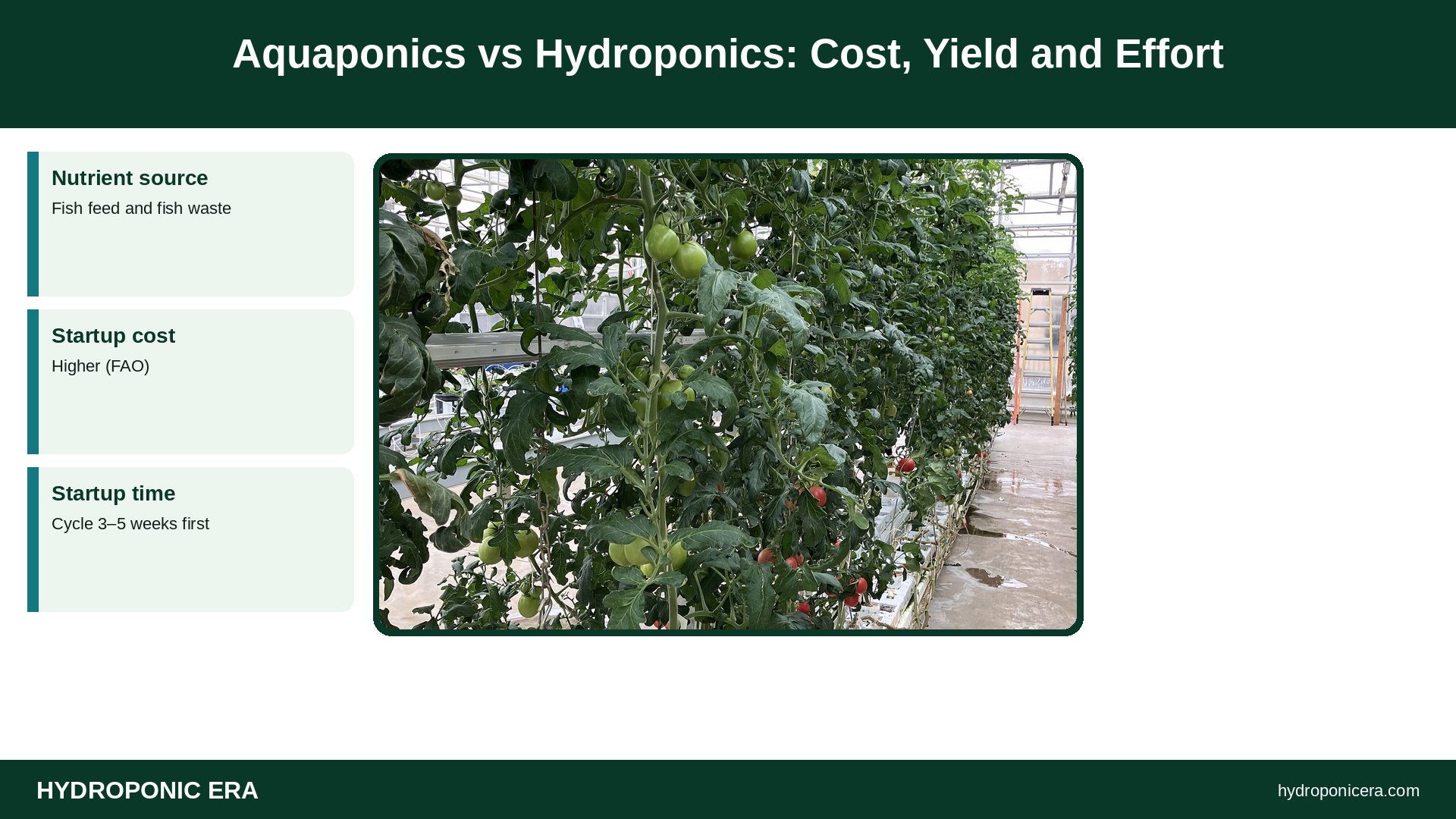
Aquaponics vs hydroponics comes down to trade-offs. Hydroponics is simpler to start, gives precise control over nutrients, and usually costs less to set up. Aquaponics produces fish and vegetables from one input, fish feed, and avoids mineral fertilizer, but needs more knowledge, a longer startup, and compromises between fish and plant needs. FAO’s aquaponics manual lists higher startup costs than hydroponics and the need to understand fish, bacteria, and plants as aquaponics’ main weaknesses. It also notes aquaponics systems are extremely water efficient and produce two products. Choose hydroponics for simplicity and maximum plant control; choose aquaponics if you want fish too and enjoy managing a living system.

aquaponics algae — Aquaponics Algae Control Without Harming Fish

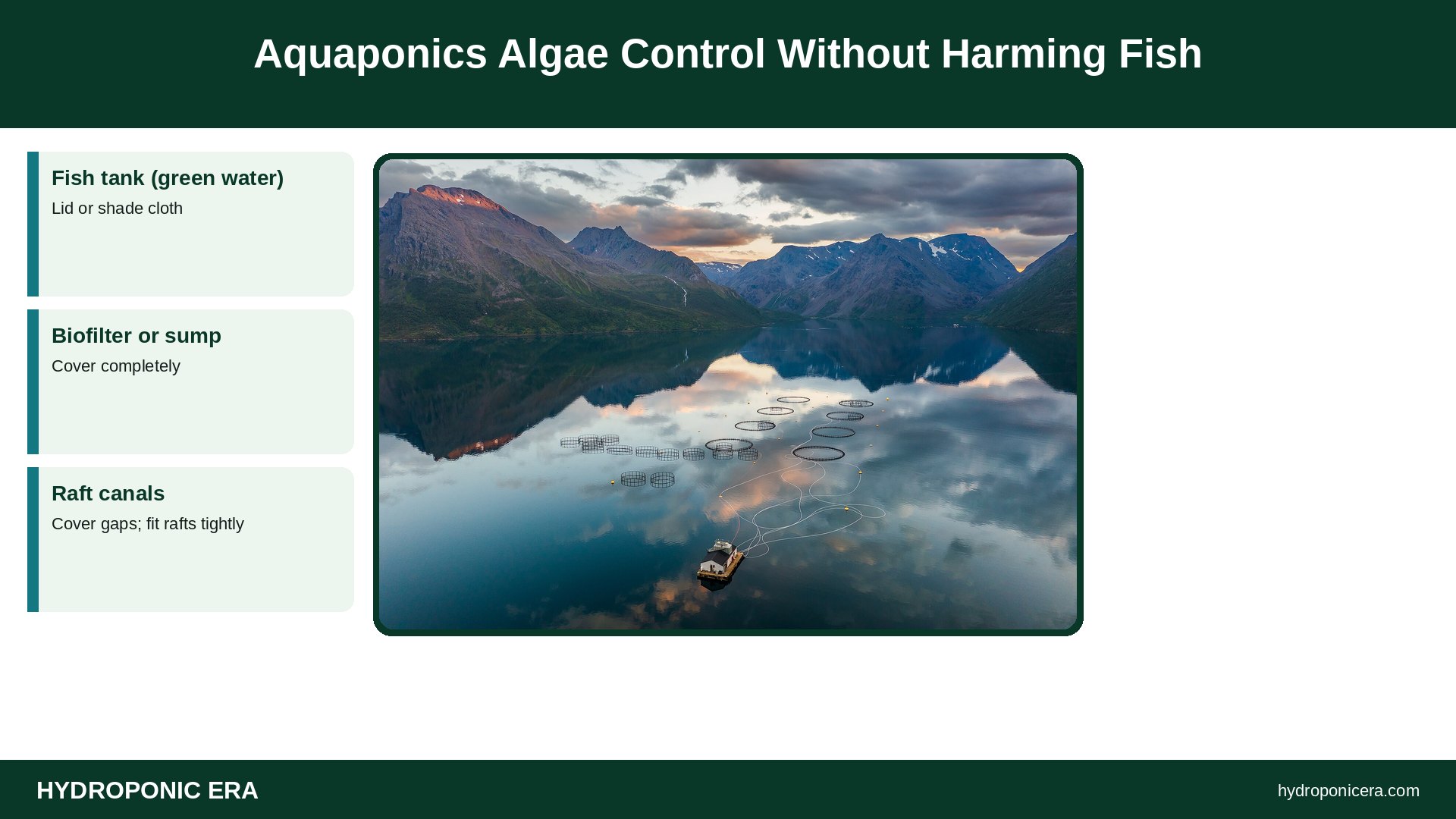
Aquaponics algae is best controlled by blocking light, not with chemicals. FAO’s aquaponics manual says preventing algae is relatively easy: shade all water surfaces, and cover fish tanks and biofilters with shade cloth, tarps, or lids so no water is in direct sunlight. Algae compete with plants for nutrients, swing pH up by day and down at night, and can crash dissolved oxygen at night, which can kill fish. Filamentous algae also clog drains and filters. If a bloom appears, FAO’s fix is to shade the system and physically remove mature algae. Avoid algaecides and household chemicals in a system with fish and food crops.

aquaponics worms — Worms in Aquaponics Grow Beds: Do They Help?

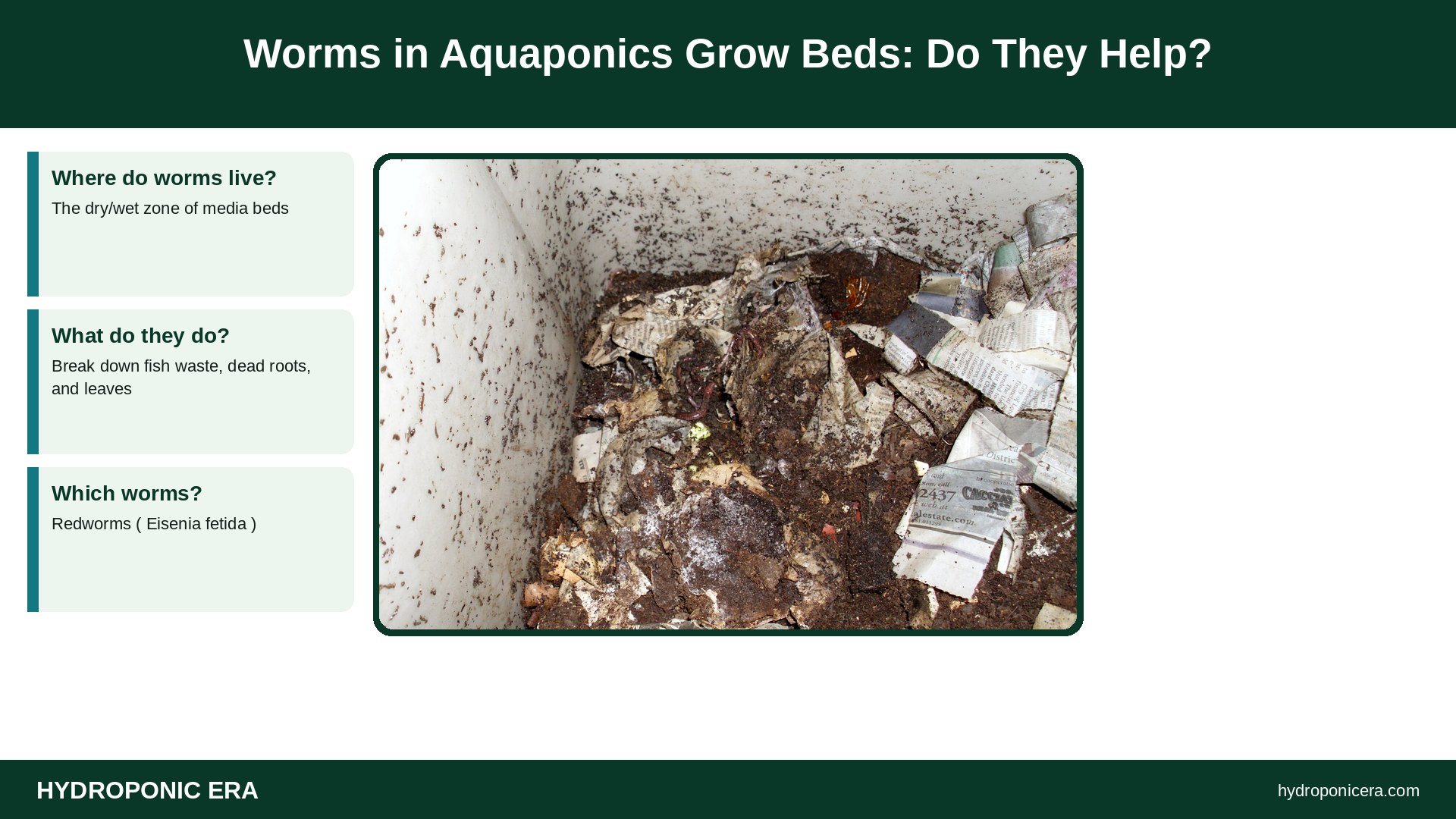
Aquaponics worms do help. FAO’s aquaponics manual describes adding worms to media beds as a common technique: the worms live in the moist middle zone of the bed, break down solid fish waste, and eat dead leaves and roots, which helps stop the bed from clogging. Red wigglers ( Eisenia fetida ), the standard composting worm, are the usual choice. Worms only suit media beds; they don’t belong in raft or NFT systems, where there’s no media for them to live in. Source worms from a reputable supplier, and FAO suggests a 1–2 day starve period for worms from outside sources if feeding them to fish.