
Quick Answer
Brown hydroponic roots are a warning to inspect the root zone—but brown color alone is not always root rot. Firm, lightly discolored roots can be staining or mild stress; brown, soft, slimy, foul-smelling roots usually mean serious oxygen, temperature, cleanliness, or pathogen problems.
Start by checking dissolved oxygen/aeration, reservoir temperature (often aim roughly cool/comfortable mid-60s–low-70s °F for many leafy systems), circulation, light leaks (algae), and pH/EC. Clean and refresh the solution when needed using a careful water-change routine.
Key Takeaways
- Judge roots by color + texture + smell, not color alone.
- Common drivers: root rot pathogens, low oxygen, warm water, poor circulation, biofilm/pathogens, algae (light leaks), and pH/nutrient stress.
- Cooler, well-aerated, moving nutrient solution is harder for many root pathogens to exploit.
- Fix the environment first; then clean the system and replace compromised solution.
- New white root tips are a better recovery sign than trying to “whiten” old damaged tissue overnight.
- Leaf yellowing often appears with root problems—check both.
- Prevention beats rescue: opaque reservoirs, working air pumps, stable pH/EC, and scheduled cleaning.
Related HydroponicEra guides
- Why hydroponic leaves turn yellow
- How often to change hydroponic water
- How to control hydroponic pH
- Hydroponic nutrients for beginners
- Deep water culture (DWC) for beginners
- Aeroponics for beginners
- Grow lights for hydroponics
- Hydroponic garden basics
Why Are Hydroponic Roots Turning Brown? 7 Common Causes and How to Fix Them

Introduction
If you notice your plant’s roots changing from healthy white to brown, you may be wondering, why are hydroponic roots turning brown? Brown roots can be a warning sign (leaf symptoms often appear together—see yellow hydroponic leaves) that something is wrong with your hydroponic system.
Healthy hydroponic roots are generally white, cream-colored, or light-colored and should feel firm. Brown, slimy, soft, or foul-smelling roots can indicate root rot, poor oxygenation, warm water, pathogens, or other problems with the growing environment.
The good news is that brown roots don’t always mean your plant is going to die. If you identify the problem early, you can often correct the growing conditions and help the plant develop healthy new roots.
In this guide, we’ll explain the most common causes of brown roots in hydroponics, how to determine what’s causing the problem, and how to fix brown roots in hydroponic plants.
What Should Healthy Hydroponic Roots Look Like?
Before diagnosing a problem, it’s important to understand what healthy roots look like.
Healthy hydroponic roots are usually:
- White or light cream-colored
- Firm and strong
- Free from excessive slime
- Fresh-smelling or nearly odorless
- Well-developed
- Surrounded by adequately oxygenated water
Some plants can naturally have slightly darker roots because of nutrients, growing media, or plant variety. Therefore, brown roots don’t automatically mean root rot.
The texture and smell of the roots are often more useful indicators than color alone.
Healthy White Roots vs. Unhealthy Brown Roots
Healthy roots:
- White or cream-colored
- Firm
- Fresh-looking
- No unpleasant odor
Potentially unhealthy roots:
- Brown or dark
- Soft
- Slimy
- Easily break apart
- Have a foul or rotten smell
If your roots are brown and slimy or smelly, you should investigate the system immediately.
Brown roots: quick cause checklist
Use this as a triage table. Color alone is not a diagnosis—texture, smell, and system readings matter.
| What you notice | Likely contributors | First checks |
|---|---|---|
| Brown + slimy + foul smell | Root rot / pathogen pressure, low oxygen, warm water | Inspect roots; cool & aerate solution; clean system; see full fix steps below |
| Brown but firm, little odor | Staining from nutrients/media, mild stress, older roots | Compare new root tips; check pH/EC, temp, aeration before drastic changes |
| Wilting with poor roots | Oxygen shortage, heat, circulation failure | Air pump/stone, water movement, reservoir temperature |
| Algae in reservoir + dull roots | Light leaks into nutrient solution | Block light; clean surfaces; refresh solution as needed |
| Tip burn / yellow leaves with root stress | pH/EC swing, imbalance, secondary stress | pH, nutrients, water change |
Why Are Hydroponic Roots Turning Brown?
There isn’t always one single cause of brown roots. Several environmental and biological problems can produce similar symptoms.
The most common causes include:
- Root rot
- Low dissolved oxygen
- High water temperature
- Poor water circulation
- Pathogens
- Excessive organic matter
- Algae growth
- Nutrient or pH problems
- Dirty hydroponic equipment
Let’s look at each cause.
1. Hydroponic Root Rot
One of the most common explanations for hydroponic plant roots turning brown is root rot.
Root rot can develop when roots remain in conditions that favor harmful microorganisms, particularly when oxygen levels are inadequate.
Affected roots may become:
- Brown
- Soft
- Slimy
- Fragile
- Foul-smelling
In severe cases, the roots can begin to break apart.
What Causes Root Rot in Hydroponics?
Root rot is more likely when several unfavorable conditions occur together, such as:
- Poor aeration
- Warm nutrient solution
- Dirty equipment
- Stagnant water
- Damaged roots
- Excessive moisture around the roots
- Poor system maintenance
This is why simply treating the symptoms isn’t always enough. You need to correct the underlying growing conditions.
2. Low Oxygen Levels
Hydroponic plants don’t just need water and nutrients. Their roots also need oxygen.
If the nutrient solution doesn’t contain enough dissolved oxygen, roots can become stressed and more vulnerable to disease.
This can happen because of:
- A weak air pump
- A damaged air pump
- A clogged air stone
- Poor water movement
- Insufficient aeration
- Excessively warm water
Why Oxygen Is Important for Hydroponic Roots
In systems like deep water culture, roots sit in solution and depend heavily on aeration; misting systems covered in aeroponics for beginners fail quickly if pumps stop. 
Roots need oxygen for normal respiration and energy production.
When oxygen availability becomes inadequate, root health can decline. Stressed roots may become discolored and more susceptible to harmful microorganisms.
If you’re using a deep-water culture system, check your air pump, airline tubing, and air stones regularly.
3. Water Temperature Is Too High
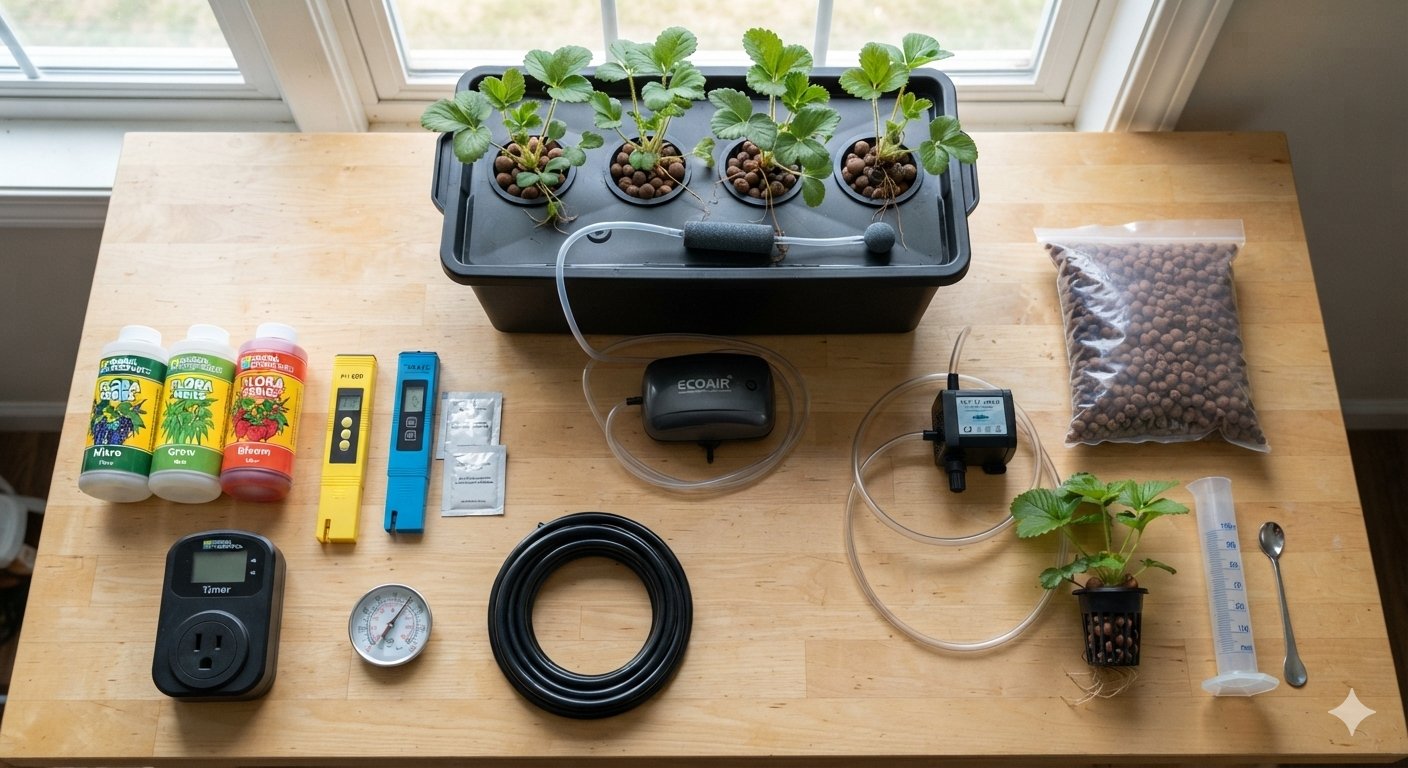
Temperature can have a major effect on root health.
Warm nutrient solution generally holds less dissolved oxygen than cooler water. This can make it more difficult for roots to receive sufficient oxygen.
High temperatures can also create conditions that favor certain pathogens.
If your hydroponic roots are turning brown, check the temperature of your nutrient solution rather than guessing.
How to Keep Hydroponic Water at a Suitable Temperature
Depending on the crop and system, growers often aim to keep the root-zone solution relatively cool and stable.
You can help manage temperature by:
- Keeping the reservoir away from direct sunlight
- Improving ventilation
- Using insulation
- Monitoring water temperature regularly
- Using a suitable reservoir location
- Considering a water chiller for larger or temperature-sensitive systems
4. Poor Water Circulation
Another possible cause of brown roots in hydroponics is inadequate water movement.
Poor circulation can create areas where nutrients and oxygen aren’t distributed effectively.
This can be particularly problematic in larger systems.
Check for:
- Blocked pipes
- Clogged pumps
- Weak water flow
- Incorrectly positioned outlets
- Damaged tubing
Regularly inspect your system to make sure water is moving as intended.
5. Bacterial or Fungal Problems
Hydroponic systems provide an environment where microorganisms can live. Some microorganisms are harmless or beneficial, while others can damage roots.
When plants are already stressed by low oxygen, warm water, or poor sanitation, harmful microorganisms may become a bigger problem.
Signs can include:
- Brown roots
- Slimy roots
- Root deterioration
- Bad odor
- Slow plant growth
- Wilting despite having plenty of water
If several plants in the same system suddenly develop similar symptoms, investigate the shared water and environmental conditions.
6. Algae Growth
Algae can become a problem when light reaches nutrient-rich water.
Algae may:
- Compete for nutrients
- Affect water quality
- Contribute to fluctuations in the growing environment
- Create additional organic material as it grows and dies
How to Prevent Algae
Keep your reservoir and exposed nutrient solution as dark as practical.
You can:
- Use an opaque reservoir
- Cover openings
- Prevent unnecessary light from reaching the water
- Clean the system regularly
Reducing light exposure can help discourage algae growth.
7. Nutrient and pH Problems
Nutrient imbalances don’t always directly cause brown roots, but poor nutrient management can stress plants and contribute to overall root problems.
Monitor:
- pH
- EC
- Nutrient concentration
- Water temperature
- Reservoir condition
Different crops have different ideal ranges, so avoid using one universal number for every plant.
For example, leafy greens, tomatoes, strawberries, and herbs can have different nutritional requirements.
How to Fix Brown Roots in Hydroponic Plants

If you’ve discovered brown roots in hydroponics, don’t panic.
First, determine whether the roots are simply stained or whether they are actually deteriorating.
Step 1 — Inspect the Roots
Carefully examine the roots.
Ask yourself:
- Are they firm or soft?
- Are they slimy?
- Do they smell bad?
- Are they breaking apart?
- Is the discoloration throughout the root system?
Brown but firm roots may have a different cause than brown, slimy, deteriorating roots.
Step 2 — Check Water Temperature
Measure your nutrient solution temperature with a reliable thermometer.
If the water is excessively warm, address the environmental cause.
Move the reservoir away from heat sources and direct sunlight, improve ventilation, and consider additional cooling if necessary.
Step 3 — Check Aeration
Inspect the air pump and air stone.
Make sure:
- The pump is operating correctly.
- Airline tubing isn’t blocked.
- The air stone is producing bubbles.
- Connections are secure.
Adequate aeration is particularly important in systems where roots spend significant time submerged.
Step 4 — Check Water Movement
If your system relies on circulating nutrient solution, inspect the pump and plumbing.
Look for:
- Clogs
- Kinks
- Weak flow
- Blocked outlets
- Pump problems
Restoring proper circulation can improve the root environment.
Step 5 — Check pH and EC
Use appropriate meters to check your nutrient solution.
If your readings are outside the range appropriate for your particular crop, make gradual adjustments rather than making large changes suddenly.
Keep records of your measurements so you can identify trends.
Step 6 — Clean the Hydroponic System
If the system has developed significant root problems, inspect and clean the reservoir, tubing, growing containers, and other equipment according to your system’s requirements.
Remove dead plant material and deteriorating roots.
The goal is to create a cleaner and more stable environment for healthy roots to recover.
How to Prevent Brown Roots in Hydroponics
Prevention is much easier than trying to rescue severely damaged plants.
Follow a regular maintenance routine.
Maintain Good Aeration
Make sure your plants receive adequate oxygen around the root zone.
Inspect air pumps and air stones regularly.
Monitor Water Temperature
Check the reservoir temperature regularly, particularly during hot weather.
Keep Equipment Clean
Clean reservoirs, tubing, pumps, and other components according to your system’s maintenance schedule.
Prevent Light From Reaching the Reservoir
Use opaque containers and cover unnecessary openings.
This can help reduce algae growth.
Monitor pH and EC
Regular measurements can help you detect changes before they become serious problems.
Check Roots Regularly
Don’t wait until the plant starts wilting.
Inspect the roots periodically so you can identify changes early.
Can Brown Hydroponic Roots Turn White Again?
It depends on the cause and severity of the damage.
If the roots are only mildly discolored and remain firm, improving the growing conditions may allow the plant to produce new healthy roots.
However, severely damaged roots that are soft, slimy, or decomposing may not recover.
The important goal is to stop the conditions causing the damage and encourage healthy new root growth.
How to Tell If Your Plant Has Root Rot
Root rot becomes more likely when several symptoms appear together.
Look for:
- Brown or dark roots
- Slimy texture
- Bad smell
- Soft roots
- Roots that break apart easily
- Wilting
- Slow growth
- General plant decline
A single symptom isn’t always enough to diagnose root rot, so consider the entire growing environment.
Common Mistakes That Cause Brown Hydroponic Roots
Many beginner hydroponic growers make similar mistakes.
Ignoring Water Temperature
A reservoir can become surprisingly warm, especially indoors or during summer.
Not Providing Enough Aeration
Plants growing in water still require oxygen around their roots.
Letting Light Reach the Reservoir
This can encourage algae growth.
Waiting Until Plants Wilt
Root problems can develop before obvious symptoms appear above the growing medium.
Making Large Nutrient Adjustments
Sudden changes can stress plants. Make changes carefully and monitor the results.
Frequently Asked Questions
Why are hydroponic roots turning brown?
The most common causes include root rot, low oxygen, warm nutrient solution, poor circulation, pathogens, algae, and stressful growing conditions. Check the root texture and smell as well as the water conditions.
Are brown roots always a sign of root rot?
No. Root discoloration alone doesn’t necessarily mean root rot. Healthy roots can sometimes become slightly discolored because of nutrients or other factors. Brown, soft, slimy, or foul-smelling roots are more concerning.
Why are my hydroponic roots brown and slimy?
Brown and slimy roots can indicate serious root health problems, including root rot. Check oxygenation, water temperature, cleanliness, and circulation immediately.
How do I keep hydroponic roots white and healthy?
Maintain appropriate water temperature, provide sufficient oxygen, keep the system clean, prevent excessive light from reaching the reservoir, and monitor pH and EC according to the crop’s requirements.
Can I save hydroponic plants with brown roots?
Sometimes. Plants with mild root damage may recover after the underlying environmental problem is corrected. Severely deteriorated roots are much harder to recover.
How often should I check hydroponic roots?
Check your plants regularly and inspect the roots whenever you notice changes in growth, leaf color, wilting, unusual odors, or other symptoms.
Final Thoughts
So, why are hydroponic roots turning brown? The answer can range from simple discoloration to serious root health problems.
The most important things to investigate are root condition, oxygen availability, water temperature, circulation, cleanliness, pH, and nutrient management.
If your roots are brown but firm, investigate the growing conditions before assuming the worst. If they’re brown, slimy, soft, and foul-smelling, take action quickly because the plant may be experiencing root rot.
With regular monitoring and good hydroponic system maintenance, you can create a healthier root environment and give your plants a much better chance of producing strong, healthy growth.
Related reading
- Hydroponic garden basics for beginners
- How to control hydroponic pH
- Hydroponic nutrients for beginners
- How often to change hydroponic water
- Grow lights for hydroponics
- Why hydroponic leaves turn yellow
- Why hydroponic roots turn brown
- Deep water culture (DWC) for beginners
- Indoor hydroponic garden guide
Sources
These university and extension resources discuss hydroponic root disease (including Pythium), dissolved oxygen, water temperature, and system sanitation. Recommendations here are practical guidance, not a farm-specific diagnosis.
- University of Kentucky — Root disease management in hydroponic systems (E706)
- Colorado State University Extension / PlantTalk Colorado — Root disease problems & management in hydroponic systems
- Virginia Cooperative Extension — Hydroponic Production of Edible Crops: System and Crop Comparisons (SPES-466)
- Penn State Extension — Pythium
- UF/IFAS Extension — Hydroponic Vegetable Production in Florida (HS405)
15 thoughts on “Why Are Hydroponic Roots Turning Brown? 7 Dangerous Causes and How to Fix Them”
Comments are closed.