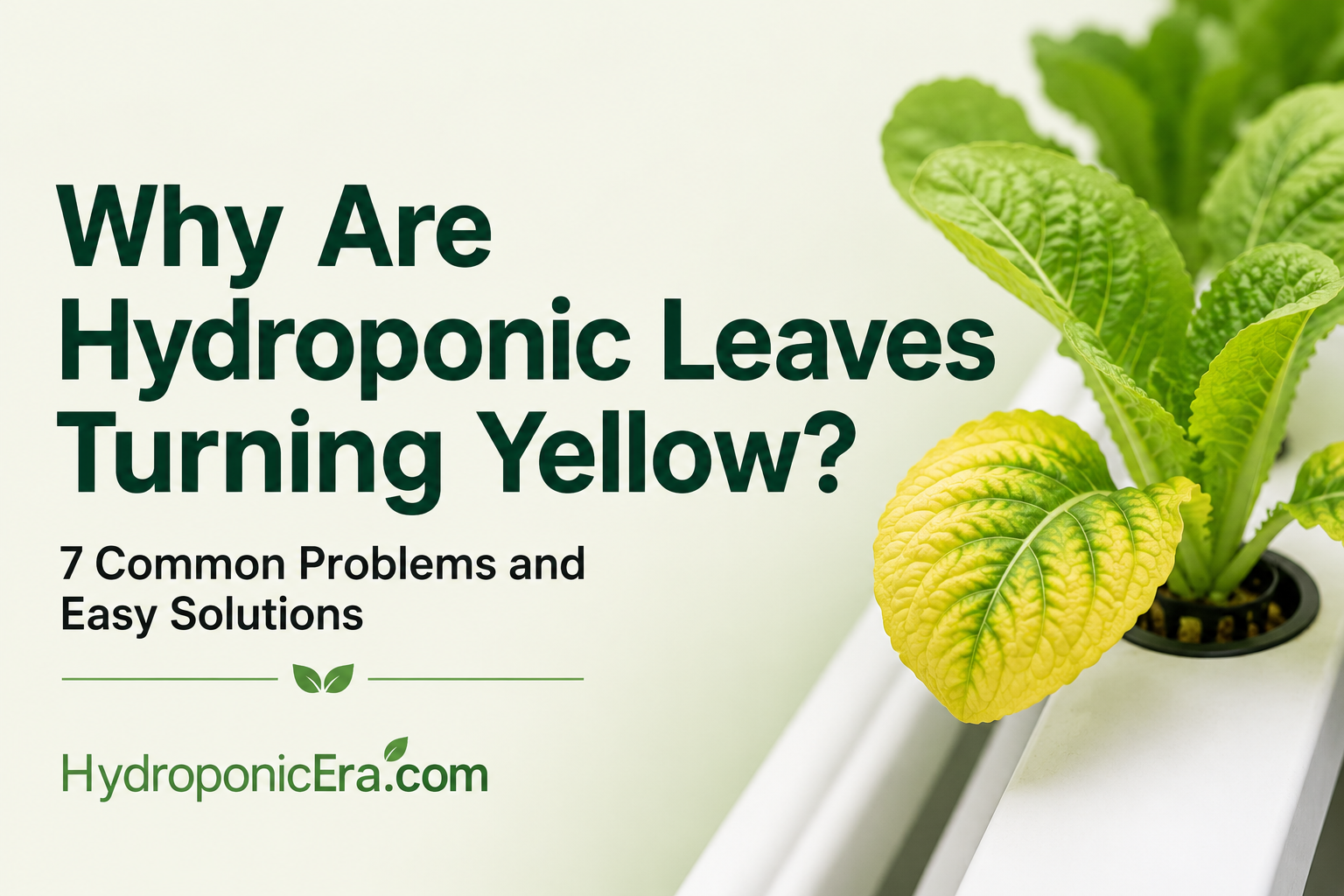
Why Are Hydroponic Leaves Turning Yellow? 7 Common Problems and Easy Solutions
Introduction
Why Are Hydroponic Leaves Turning Yellow. Seeing hydroponic leaves turning yellow can be frustrating, especially when you have carefully provided your plants with water, nutrients, and light. Yellow leaves are one of the most common signs that something in a hydroponic system needs attention. The good news is that yellow leaves do not always mean your plants are dying. In many cases, the problem can be identified and corrected before serious damage occurs.
When you notice hydroponic leaves turning yellow, avoid immediately adding more fertilizer or changing everything at once. Yellowing can result from several different causes, including nutrient deficiencies, incorrect pH, unsuitable EC levels, poor root health, lighting problems, temperature stress, or simply older leaves reaching the end of their natural life cycle.
Understanding the pattern of yellowing is important. For example, a plant with yellowing older leaves may have a different problem from one whose newest leaves are turning pale. Similarly, yellow leaves combined with brown roots can point toward a root-related problem rather than a simple lack of nutrients.
This guide explains the major causes of Why Are Hydroponic Leaves Turning Yellow, how to identify the problem, how to correct it, and how to prevent it from happening again.
Why Are Hydroponic Leaves Turning Yellow?
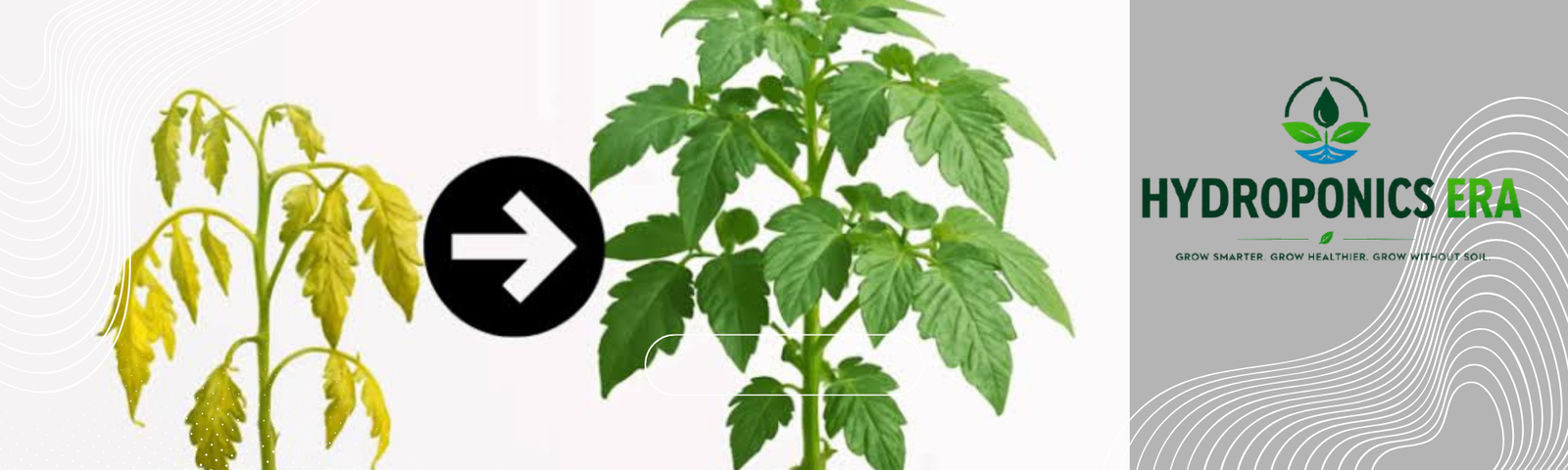
The first step in dealing with hydroponic leaves turning yellow is understanding that yellowing is a symptom rather than a diagnosis. Plants can lose their normal green color when chlorophyll production is affected. Because chlorophyll gives leaves their green appearance, anything that interferes with nutrient absorption, photosynthesis, root function, or plant development can result in yellow leaves.
One of the most common causes is a nutrient deficiency in hydroponics. Unlike plants growing in soil, hydroponic plants depend heavily on the nutrient solution supplied by the grower. If an essential nutrient is missing, present in the wrong concentration, or unavailable because of an unsuitable pH, the plant may begin showing visible symptoms.
However, nutrients are not always the answer. Hydroponic plants turning yellow may also be suffering from poor oxygenation, excessive heat, inadequate lighting, root disease, or an incorrectly mixed nutrient solution.
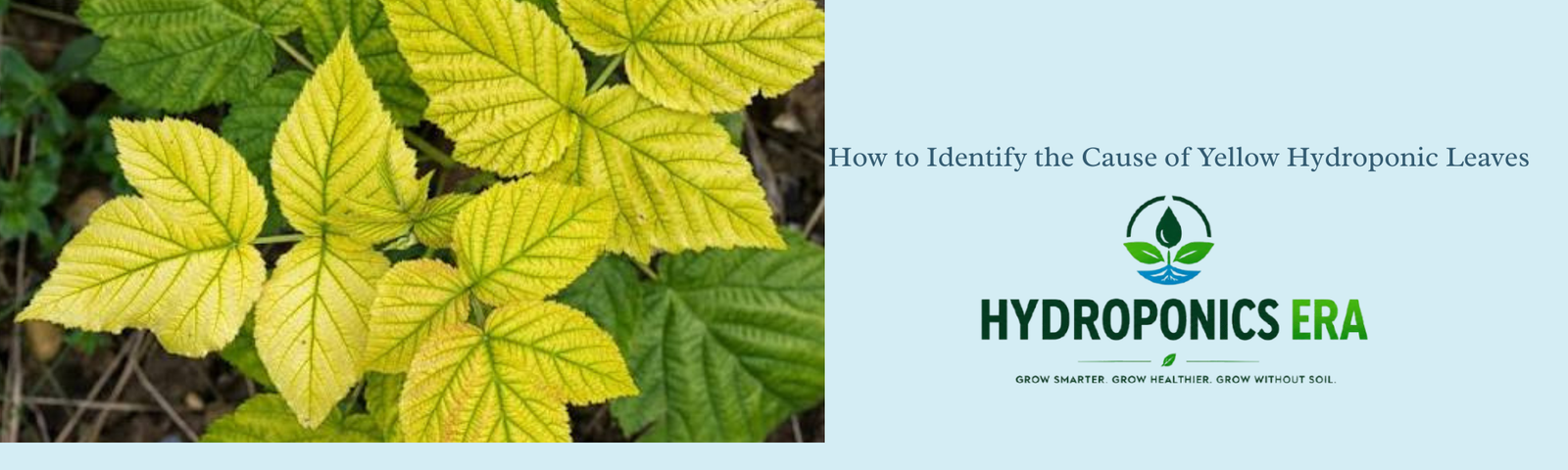
The location and appearance of the yellowing can provide useful clues. Yellowing between the veins, yellowing that begins on older leaves, and yellowing that starts on new growth can each indicate different problems.
7 Common Causes of Why Are Hydroponic Leaves Turning Yellow
1. Nutrient Deficiency
A nutrient deficiency in hydroponics is one of the first things to investigate when you see hydroponic leaves turning yellow. Plants need several essential nutrients to produce healthy leaves and continue normal growth.
Nitrogen is particularly important because it supports vegetative growth and chlorophyll production. A nitrogen deficiency in hydroponics often causes older leaves to become pale green and eventually yellow. The yellowing may gradually move upward as the deficiency becomes more severe.
Iron is another important nutrient. An iron deficiency in hydroponics commonly affects newer leaves first. The leaf tissue can become pale while the veins remain relatively green.
A magnesium deficiency in hydroponics can also cause yellowing, particularly between the veins of older leaves.
The important point is that adding random nutrients is not always the best solution. Excess nutrients can damage roots and create additional problems. Before changing your nutrient concentration, check the nutrient solution, EC, pH, plant growth stage, and symptoms together.
If your hydroponic plants are not getting enough nutrients, the entire plant may gradually become lighter, growth can slow, and leaves may become smaller. On the other hand, nutrient lockout can create deficiency-like symptoms even when nutrients are technically present in the reservoir.
2. Incorrect pH
Incorrect pH is another major reason for why Are Hydroponic Leaves Turning Yellow. The pH of the nutrient solution affects how easily plants can absorb different nutrients.
A nutrient solution can contain enough iron, magnesium, nitrogen, and other elements, but the plant may still show deficiency symptoms if the pH prevents effective nutrient uptake. This is why simply adding more fertilizer can sometimes make the situation worse.
Different crops have slightly different preferences, but many common hydroponic crops perform well in a mildly acidic nutrient solution. Always follow the recommended range for the specific crop and growing system.
Hydroponic pH problems can develop gradually. Water quality, nutrient products, plant uptake, evaporation, and reservoir changes can all influence pH.
If you are experiencing hydroponic leaf yellowing, measure the pH rather than trying to guess it. A reliable pH meter is one of the most useful tools for hydroponic plant care.
3. Incorrect EC Levels
EC, or electrical conductivity, provides an indication of the concentration of dissolved salts in your nutrient solution. Incorrect hydroponic EC levels can contribute to hydroponic leaves turning yellow and poor overall plant growth.
If EC is too low, plants may not receive enough nutrients. If EC is too high, the nutrient solution can become excessively concentrated and make water uptake more difficult.
The ideal EC depends on the crop and its stage of development. Seedlings generally need a weaker nutrient solution than mature, heavily fruiting plants.
For example, a young lettuce plant should not automatically receive the same nutrient concentration as a mature tomato plant. Following crop-specific recommendations is therefore much better than using one EC level for every plant.
If your plants show hydroponic plants turning yellow and brown, check EC alongside pH rather than looking at either measurement alone.
4. Poor Root Health
Healthy roots are the foundation of a successful hydroponic system. When roots are damaged, oxygen-starved, diseased, or exposed to unsuitable conditions, the plant can struggle to absorb water and nutrients.
Poor root health is an important cause of hydroponic leaves turning yellow because the leaves may show nutrient-like symptoms even when the nutrient solution itself is correctly prepared.
Healthy hydroponic roots are generally firm and light-colored, although their exact appearance can vary depending on the crop and growing system. Roots that are slimy, dark, foul-smelling, or rapidly deteriorating deserve immediate attention.
Hydroponic roots turning yellow can sometimes be related to the growing environment, but root color alone should not be used as a diagnosis. Look at texture, smell, oxygen availability, water temperature, and the overall condition of the plant.
Poor aeration is especially important in systems where roots remain submerged. Plants need oxygen around their roots, and insufficient oxygen can reduce root function.
If you have hydroponic root problems, check your air pump, air stones, water movement, reservoir temperature, and cleanliness.
5. Insufficient or Excessive Light
Light is essential for photosynthesis. If your plants receive too little usable light, leaves may become pale and growth may become weak or stretched.
On the other hand, excessive light or excessive heat can stress plants and contribute to leaf discoloration, curling, bleaching, or scorching.
When investigating hydroponic leaves turning yellow, consider the entire growing environment. Ask yourself whether the plants receive consistent light, whether the light is positioned correctly, and whether the temperature rises significantly when the lights are operating.
Indoor hydroponic systems often use LED grow lights because they provide controllable lighting. However, simply installing a powerful light does not guarantee healthy plants. The distance between the light and canopy, daily light duration, plant species, and environmental conditions all matter.
6. Water Temperature Problems
Water temperature is another factor that is sometimes overlooked when troubleshooting hydroponic leaves turning yellow.
Roots need an environment where oxygen can remain available. Warmer water generally holds less dissolved oxygen than cooler water, so excessive reservoir temperatures can create additional stress for plants.
High temperatures can also encourage undesirable microbial activity and contribute to root problems.
Keep your reservoir away from direct heat sources and monitor the temperature regularly. If your growing area becomes very warm during the day, especially under grow lights, reservoir temperature deserves extra attention.
Hydroponic water temperature should be considered together with oxygenation, room temperature, humidity, and crop requirements.
7. Natural Leaf Aging
Not every case of hydroponic leaves turning yellow is a sign of a serious problem.
Plants naturally replace older leaves as they grow. Older leaves may gradually lose their green color, become yellow, and eventually fall away. If only a small number of the oldest leaves are affected while new growth remains healthy and the plant continues growing normally, natural aging may be the explanation.
This is particularly common when plants have dense foliage and older leaves receive less light.
The key is to look at the whole plant. If yellowing is spreading rapidly, affecting new leaves, or appearing alongside wilting, brown roots, poor growth, or other symptoms, you should investigate further.
How to Identify the Cause of Yellow Hydroponic Leaves
Identifying why you have hydroponic leaves turning yellow becomes easier when you examine the pattern instead of focusing only on the color.
Start by asking where the yellowing appears.
If older leaves turn uniformly yellow first, nitrogen deficiency may be worth investigating. If new leaves are pale while their veins remain greener, an iron-related problem or nutrient availability issue may be involved. If yellowing occurs between the veins of older leaves, magnesium may be a possible factor.
Next, inspect the roots. Do not rely on leaves alone when troubleshooting.
Healthy roots support healthy plants. If roots are slimy, damaged, or have an unpleasant smell, concentrate on correcting the root environment before simply adding more nutrients.
Then check your measurements.
Your basic hydroponic troubleshooting checklist should include:
- pH
- EC
- Water temperature
- Reservoir level
- Nutrient concentration
- Root condition
- Light intensity and duration
- Air temperature
- Air circulation
- Oxygenation
- Plant growth stage
This approach helps prevent guesswork.
For example, if you notice yellow leaves in hydroponics and immediately add a concentrated fertilizer, you could accidentally create an excessively strong nutrient solution. The original problem might have been poor pH rather than insufficient nutrients.
How to Fix Hydroponic Leaves Turning Yellow
Once you have identified the likely cause of hydroponic leaves turning yellow, make corrections gradually.
If testing shows that your nutrient solution is too weak, adjust it according to the recommended concentration for your crop and growth stage. Avoid adding large amounts of fertilizer at once.
If the pH is outside the appropriate range, correct it carefully and continue monitoring it. Do not repeatedly make large adjustments without checking how the system responds.
For hydroponic nutrient deficiency, use a complete nutrient program designed for hydroponic growing rather than relying on a single fertilizer unless you have identified a specific deficiency.
If the problem is related to roots, improve aeration and water movement, inspect the equipment, and address the environmental conditions contributing to poor root health.
If your plants have been exposed to excessive heat, reduce the temperature around the growing area and protect the reservoir from direct heat.
Lighting should also be adjusted when necessary. Make sure plants receive enough light for healthy growth without placing powerful fixtures so close that the foliage becomes stressed or damaged.
When trying to how to fix yellow hydroponic leaves, remember that damaged yellow leaves may not turn green again. The real goal is to stop the problem from spreading and encourage healthy new growth.
How to Prevent Yellow Leaves in Hydroponic Systems
Prevention is much easier than constantly trying to correct hydroponic leaves turning yellow.
Good hydroponic plant care starts with regular monitoring. You do not need to spend hours every day checking every detail, but a consistent routine can help you notice changes before they become serious.
Check the nutrient solution regularly. Monitor pH and EC using reliable meters, and keep your equipment clean and properly calibrated.
Pay attention to your roots whenever the system allows you to inspect them. Healthy roots are a strong indicator that the growing environment is functioning properly.
Maintain suitable water temperatures and provide adequate oxygenation. Make sure air pumps, tubing, and air stones are working correctly.
Lighting should also remain consistent. Avoid frequently changing light schedules or moving plants between very different environments.
It is also useful to keep records. Write down pH, EC, temperature, nutrient changes, and observations. These records can help you identify patterns when hydroponic leaves turning yellow occurs again.
Yellowing Leaves on Different Hydroponic Crops
Different plants can show somewhat different symptoms, so crop identification matters.
Yellowing Leaves on Hydroponic Lettuce
With yellowing leaves hydroponic lettuce, check nutrient concentration, pH, root condition, temperature, and lighting. Older leaves naturally change color, but widespread yellowing can indicate an environmental or nutritional issue.
Yellowing Leaves on Hydroponic Basil
Yellowing leaves hydroponic basil can occur because of nutrient problems, unsuitable pH, poor root conditions, or environmental stress. Basil generally benefits from stable growing conditions and adequate light.
Yellowing Leaves on Hydroponic Tomatoes
Yellowing leaves hydroponic tomatoes require a little more careful diagnosis because tomatoes have changing nutrient requirements as they move from vegetative growth into flowering and fruit production.
Look at the position of the yellow leaves, examine new growth, and check pH and EC before making major changes.
Common Mistakes When Dealing With Yellow Leaves
One of the biggest mistakes growers make when dealing with hydroponic leaves turning yellow is assuming that more fertilizer will solve the problem.
It may not.
If the real issue is pH, excessive nutrients can make nutrient availability even worse. If the roots are damaged, increasing fertilizer concentration will not repair them. If the reservoir is too warm, adding nutrients will not solve the temperature problem.
Another common mistake is changing several things at the same time. If you change nutrients, lighting, pH, temperature, and watering conditions simultaneously, you may not know which change actually helped.
A better approach is to inspect the plant, measure the environment, identify the most likely cause, and make a controlled correction.
Frequently Asked Questions
Why are my hydroponic leaves turning yellow?
Hydroponic leaves turning yellow can be caused by nutrient deficiencies, incorrect pH, unsuitable EC, poor root health, insufficient or excessive light, high water temperature, or natural aging. Check the plant symptoms and growing conditions together before deciding on a treatment.
Can too much fertilizer cause yellow leaves?
Yes. Excessive nutrients can stress roots and interfere with water and nutrient uptake. A strong nutrient solution may therefore contribute to yellowing rather than fixing it.
Can low pH cause yellow leaves in hydroponics?
Yes. Incorrect pH can reduce the availability of certain nutrients. This means a nutrient solution may contain the required elements while the plant still shows deficiency symptoms.
Should I remove yellow hydroponic leaves?
If a leaf is completely yellow, severely damaged, or dying, removing it can help keep the plant clean. However, do not remove large amounts of foliage without understanding why the leaves are yellowing.
Why are my hydroponic leaves turning yellow and brown?
When hydroponic plants turning yellow and brown appear together, investigate nutrient concentration, pH, root health, temperature, light stress, and environmental conditions. Brown edges or patches can sometimes indicate a different or additional problem from simple yellowing.
Can yellow leaves become green again?
Sometimes mildly affected leaves can improve after the underlying problem is corrected. However, severely damaged or completely yellow leaves generally will not return to their original condition. Healthy new growth is a better sign that the problem has been corrected.
How often should I check my hydroponic nutrient solution?
The exact schedule depends on your system, crop, reservoir size, and environmental conditions. Regular monitoring is more important than following one universal schedule. Check pH and EC consistently and observe how quickly the plants consume water and nutrients.
Related reading
- How to Control pH in Hydroponics for Beginners
- Indoor Hydroponic Garden
- Best Grow Lights for Hydroponics
- How Often to Change Hydroponic Water
- Why Hydroponic Roots Turn Brown
Final Thoughts
When you see hydroponic leaves turning yellow, do not panic. Yellow leaves are a warning sign that gives you an opportunity to investigate the growing environment and correct a problem before it becomes more serious.
Start with the basics: inspect the leaves, examine the roots, measure pH and EC, check water temperature, and review the lighting conditions. Look at where the yellowing begins and whether it is affecting old leaves, new growth, or the entire plant.
Remember that hydroponic leaf yellowing is not always caused by a lack of fertilizer. Nutrient availability, pH, root health, oxygen, temperature, and light all work together. A plant can have access to nutrients and still struggle to absorb them if the growing environment is not balanced.
The best way to maintain healthy hydroponic plants is to monitor your system consistently rather than waiting until symptoms become severe. With good hydroponic troubleshooting, accurate measurements, proper nutrition, and stable environmental conditions, many causes of yellowing can be identified and corrected.
Once you understand the common causes, hydroponic leaves turning yellow become much less mysterious. Instead of guessing, you can use the plant’s symptoms and your system measurements to determine what is wrong and take the right corrective action.
A healthy hydroponic system does not require perfection every day. It requires observation, consistency, and timely adjustments. By developing those habits, you can reduce hydroponic growing problems, improve plant growth, and keep your growing system productive.
Internal Links
How to Grow Microgreens Hydroponically: 16 Proven Complete Beginner’s Guide
How to Grow Peppers Hydroponically: Complete Guide to Fruiting, Pollination & High Yields
How to Grow Strawberries Hydroponically: 10 Easy Steps for Beginners
15 thoughts on “Why Are Hydroponic Leaves Turning Yellow? 7 Common Problems and Easy Solutions”